
BMY Surges 35.7% in a Year: Should You Buy, Sell or Hold the Stock?
Source: zacks.com
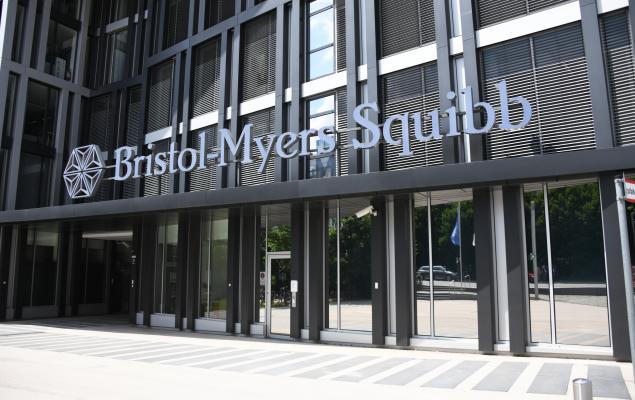
Bristol Myers Squibb shares gained 35.8% over the past year, outperforming its industry’s 11% growth, as its growth portfolio accounted for about 56% of revenue in the first half of 2026. Eliquis revenue growth guidance rose to 20–25% from 10–15%, while the company expects its legacy portfolio to decline 4–6%, following a 5% first-half decline. Pipeline approvals and candidates offer growth potential, but generic competition and clinical risks temper the outlook; the article advises new investors to wait and current holders to consider holding, noting a roughly 4.26% dividend yield.
Analysis
The key question is not whether BMY’s newer brands are growing, but whether their incremental contribution can outrun the predictable erosion in older products after launch costs, access concessions and product transitions. Opdivo Qvantig’s uptake may defend franchise share and ease administration, but some reported growth is likely a formulation switch rather than wholly new demand; track combined Opdivo/Qvantig sales and patient uptake, not Qvantig alone. Likewise, Eliquis strength cushions the portfolio but concentrates the offset in one product shared economically with Pfizer. Reblozyl growth is also shared with Merck, limiting the inference from brand momentum to BMY’s retained economics.
The 8.94x forward P/E is not a standalone catalyst: a low multiple can persist if estimates depend on a few growth brands replacing generic erosion. The modest 2027 estimate increase is a useful bar, but not yet evidence of durable earnings acceleration. Near term (days to weeks), the prior rally raises the risk that guidance and launch optimism are priced in. Over 1–3 months, test whether reported growth converts into raised full-year outlook and stable combined franchise sales. Over 6–18 months, Zenbexus and other pipeline assets add option value, but accelerated approval and mid-stage data do not remove confirmatory-trial or execution risk. Contrarian upside exists if growth brands deliver durable earnings replacement sooner than the market discounts; downside is a valuation reset if legacy declines outrun that replacement.
AllMind Terminal
AI-powered research, real-time alerts, and portfolio analytics for institutional investors.
Request TrialMarket Sentiment
Overall Sentiment
mildly positive
Sentiment Score
0.20
Ticker Sentiment
Key Decisions for Investors
- Avoid chasing BMY after the sharp rerating; for investors seeking exposure, scale in on weakness rather than treating the low P/E as a valuation floor.
- Existing holders can retain a core position, but size it against concentration in a handful of growth products and the ongoing legacy-product erosion.
- Monitor combined Opdivo/Qvantig performance, legacy-portfolio decline, and whether full-year guidance or forward EPS estimates move higher. A widening legacy decline alongside flat or falling estimates would falsify the replacement thesis.
- Treat Zenbexus and earlier-stage pipeline news as optionality, not near-term earnings support; reassess on confirmatory evidence, regulatory milestones, and measurable commercial uptake.
More News
- Bristol Myers falls 3% despite positive cancer drug trial results
- Nurix Therapeutics Reports Third Quarter 2026 Financial Results and Provides Corporate Update
- Jefferies cuts Merck's remigromig sales forecast after eye-disease trial raises concerns
- Why is Bristol-Myers Squibb stock surging today?
- Stock Movers: Bristol Myers, Adobe, Salesforce (Podcast)
- Moderna Is Now Worth More Than 3X as Much as BioNTech. Which Biotech Stock Is the Smarter Pick?