
Sony Semiconductor Solutions to Release Approx. 50-Effective Megapixel CMOS Image Sensor for Mobile Applications With Superb Low-Light Performance and 4K HDR Video Recording
Source: PR Newswire
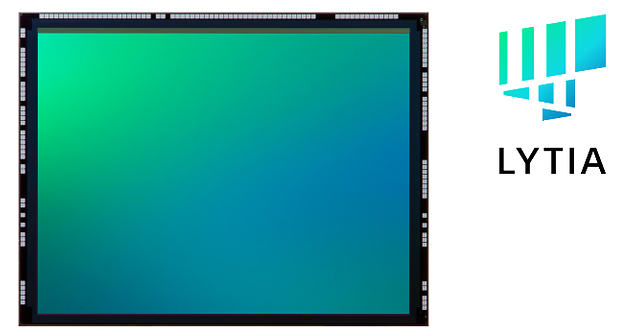
Sony Semiconductor Solutions announced the LYTIA 720, an approximately 50-effective-megapixel mobile image sensor slated for mass production in early November 2026. Sony says its low-noise technology reduces random noise in dark environments by approximately 50% versus LYTIA 700, while HDR compositing delivers a 100 dB dynamic range and supports 4K 60 fps HDR recording with all-pixel autofocus.
Analysis
The investable question is not whether the sensor specs are attractive, but whether they secure design wins at better economics. A 1/1.56-inch format already has broad smartphone adoption, so Sony may extend premium low-light features into more volume devices; that could support sensor share or mix if OEMs qualify it and accept Sony’s pricing. Neither design wins nor pricing are established here. The stated noise comparison is against Sony’s own LYTIA 700, not an independent competitor benchmark, and the launch announcement provides no shipment, yield, or revenue outlook.
The second-order risk is that improved sensor hardware may be competed away: Samsung and OmniVision can respond on price, while OEM computational photography and image-processing pipelines can reduce the visible difference consumers experience. For Sony, broader use could also cannibalize higher-end sensors unless the new product expands the addressable tier or lowers production cost; the release gives no evidence on either point. 4K HDR capture also depends on OEM processing, power, and thermal integration, not the sensor alone.
Timing: the early-November production start is a near-term execution milestone, not proof of handset revenue. Over 1–3 months, look for named OEM design wins and volume commitments; meaningful earnings effects are more likely to require later device launches. The thesis weakens if OEMs do not adopt the part, Sony’s sensor mix or segment outlook fails to improve, or competitors deliver comparable performance at lower cost.
AllMind Terminal
AI-powered research, real-time alerts, and portfolio analytics for institutional investors.
Request TrialMarket Sentiment
Overall Sentiment
mildly positive
Sentiment Score
0.25
Key Decisions for Investors
- No standalone trade on the announcement. Treat it as a modest positive for Sony’s image-sensor positioning, not yet evidence of a material consolidated earnings change.
- Set an alert for customer design wins, production volumes, and Sony’s next relevant segment guidance. Verify whether adoption is incremental to existing high-end sensors or shifts volume from them before underwriting mix benefits.
- Watch Samsung and OmniVision pricing and product announcements, plus OEM image-quality reviews: strong rival performance or little visible consumer differentiation would cap Sony’s pricing power.
- Reassess the thesis if production slips beyond the announced early-November start, OEM adoption is absent over the next 1–3 months, or subsequent guidance fails to show sensor demand or mix improvement.
More News
- What investors need to know about Alphabet's stock-busting earnings report
- Our next steps for Alphabet stock after earnings disappoint at nearly every turn
- Wendy's shares jump 15% as Nelson Peltz's Trian offers $1.4 billion to buy burger chain
- GE Vernova shares slip despite a beat-and-raise. What the sellers are getting wrong
- Microsoft's Big Bets on AI Start to Pay Off
- China’s tech darlings are losing their shine. Here’s what’s behind the sell-off