
CTL Releases New Comprehensive Guide to Electronics Recycling and IT Asset Disposition for Pacific Northwest Schools and Businesses
Source: PR Newswire
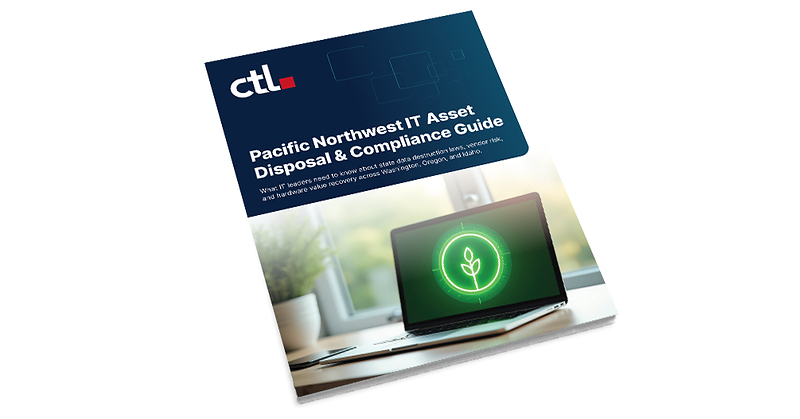
CTL released a complimentary IT asset disposition and electronics-recycling compliance guide for schools and businesses in Washington, Oregon, and Idaho. The guide addresses Washington's commercial recycling requirements for employers with 50+ employees, Oregon's HB 3220 landfill bans, Idaho hazardous-waste rules, and data-security obligations including HIPAA, GLBA, and FACTA. The announcement is a product-marketing and thought-leadership update with limited direct financial or market impact.
Analysis
This is marketing-led demand generation rather than an independently verifiable change in procurement, regulation, or earnings power. CTL is private, and the named public tickers have no direct disclosed exposure to its ITAD activity; the appropriate near-term read-through for GOOG and INTC is therefore neutral. A compliance guide can modestly improve CTL's win rate in education and regional enterprise refresh cycles, but it does not establish incremental Chromebook, ChromeOS, or Intel CPU unit demand.
The potentially investable second-order theme is that formalized asset-chain documentation raises switching costs for managed-device providers and favors vendors that bundle deployment, endpoint management, recovery, and certified disposition. Over 6-18 months, that could support recurring service attachment rates around institutional device fleets, but the regional scope and lack of contract, fleet-volume, or pricing disclosure leave the revenue impact immaterial for Alphabet or Intel. Higher certified-disposition standards could also increase costs for smaller IT resellers and informal recyclers, creating consolidation optionality in private ITAD rather than a clear listed-equity beneficiary.
The key catalyst would be evidence that state enforcement, breach litigation, or school-district procurement language is tightening sufficiently to accelerate refresh-and-disposition cycles. Falsification is straightforward: absent disclosed regional contract wins, rising managed-device deployments, or evidence that compliance requirements are changing purchase behavior within the next two quarters, this remains non-actionable content marketing. Consensus risk is over-interpreting ESG and cybersecurity messaging as a hardware demand signal; budget-constrained schools may extend device lives despite more complex disposal obligations.
AllMind Terminal
AI-powered research, real-time alerts, and portfolio analytics for institutional investors.
Request TrialMarket Sentiment
Overall Sentiment
mildly positive
Sentiment Score
0.15
Key Decisions for Investors
- No standalone position in GOOG or INTC on this release; the stated impact is below the threshold for an earnings-revision catalyst.
- Monitor GOOG education-device and Chrome Enterprise disclosures over the next 1-3 quarters for managed-service attachment, fleet growth, or procurement wins that include lifecycle/disposition requirements; only revisit a long if these data show incremental recurring revenue rather than hardware replacement.
- Monitor INTC client-computing unit trends and OEM commentary during the next earnings cycle; treat any Pacific Northwest education refresh narrative as noise unless it appears alongside broader commercial-PC replacement acceleration and improving client-platform gross margin.
- Set an alert for Washington, Oregon, or Idaho enforcement actions or procurement mandates requiring R2v3/NAID-grade disposition. A broad mandate affecting public-school fleets would be a more credible catalyst for endpoint refresh and managed-lifecycle spending than the current publication.
More News
- Google rolls out Gemini 4 Argon, its most advanced AI model
- Trump’s AI lunch included every major tech company. Except Apple
- Exclusive-Anthropic’s IPO pitch embraces AI’s promise and peril
- FTC is investigating OpenAI, Anthropic and other AI companies over product risks
- Investors thought they were buying pre-IPO OpenAI and SpaceX shares. Their cash went to strip clubs, Bloomingdale’s, and shopping on Amazon, SEC alleges
- Google releases Gemini 4 Argon, called its most powerful model yet
From AllMind Research
- Anthropic IPO Preview: Valuation, Timing, and What to Watch
- Shein After the IPO: Venue, Valuation, and What Must Be Proved
- What AI Research Tools Should a Small Hedge Fund Buy First?
- AllMind's Data Standardization Methodology: Our Approach to Fundamentals
- What Makes Financial Data Ready for AI Research?