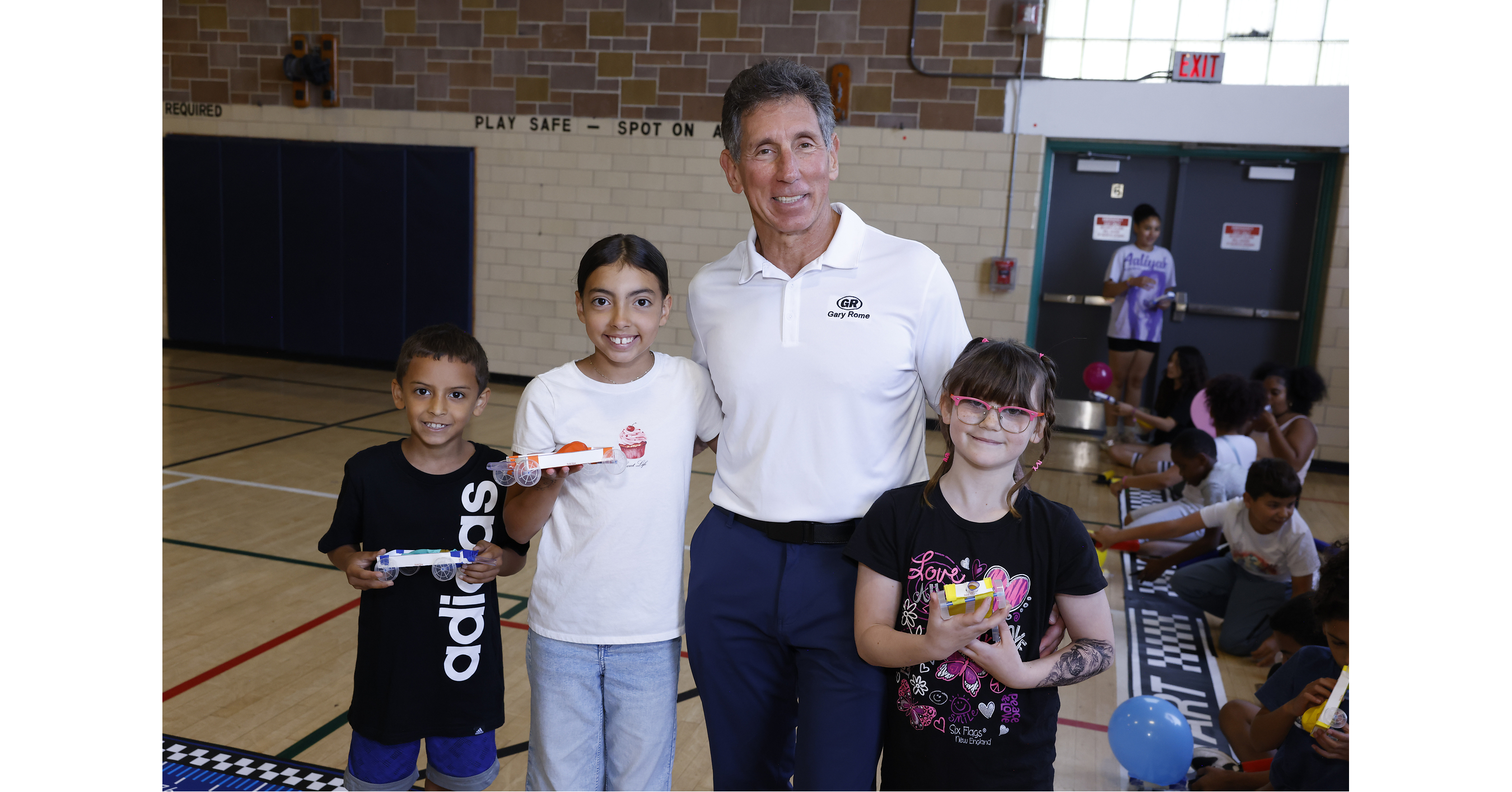
Hyundai Motor America highlighted local community support in Western Massachusetts, including a STEM “AWIM JetToy Challenge” for 40+ students and donations to provide 30,000 meals. Hyundai Hope contributed a total of $85,000 to the Food Bank of Western Massachusetts and HCC’s Thrive Center Food Pantry since 2021 ($55,000 to the Food Bank and $30,000 to HCC since 2022). This is a CSR/community update with limited direct financial market impact.
This reads as brand maintenance, not a fundamental event, but it does reinforce Hyundai’s U.S. localization narrative at a time when OEMs are fighting for share through trust, dealer relationships, and “earned” goodwill. For HYMLF, the real value is optionality: community-facing activity can support customer acquisition efficiency and local labor/political capital around the company’s U.S. manufacturing footprint, which matters more than the cash outlay itself.
Second-order, the small-dollar spend is irrelevant to margins, but the signaling may matter if it is part of a broader push to protect U.S. EV adoption and dealer sell-through. That could modestly support adjacent beneficiaries in STEM programming, workforce development, and local suppliers, but the market impact should be limited unless it translates into harder metrics like higher U.S. unit sales, better residual values, or improved incentive intensity over the next 1-3 quarters.
The contrarian take is that investors may overread CSR as a tradable catalyst; the base case is no multiple impact. The thesis would only become investable if this cadence coincides with evidence of U.S. share gains, better operating leverage from the new plant ramp, or reduced warranty/logistics friction over 6-18 months. Falsifiers: flat-to-down U.S. sales, margin compression, or a weaker EV conversion rate versus Toyota, Honda, and GM.
AI-powered research, real-time alerts, and portfolio analytics for institutional investors.
Overall Sentiment
mildly positive
Sentiment Score
0.15
Ticker Sentiment
