
LA NARXOZ BUSINESS SCHOOL OBTENIR LA PRESTIGIEUSE ACCREDITATION CONJOINTE DE L'AMBA ET DE LA BGA, REJOIGNANT AINSI LES 2 % DES MEILLEURES ÉCOLES DE COMMERCE AU MONDE
Source: PR Newswire
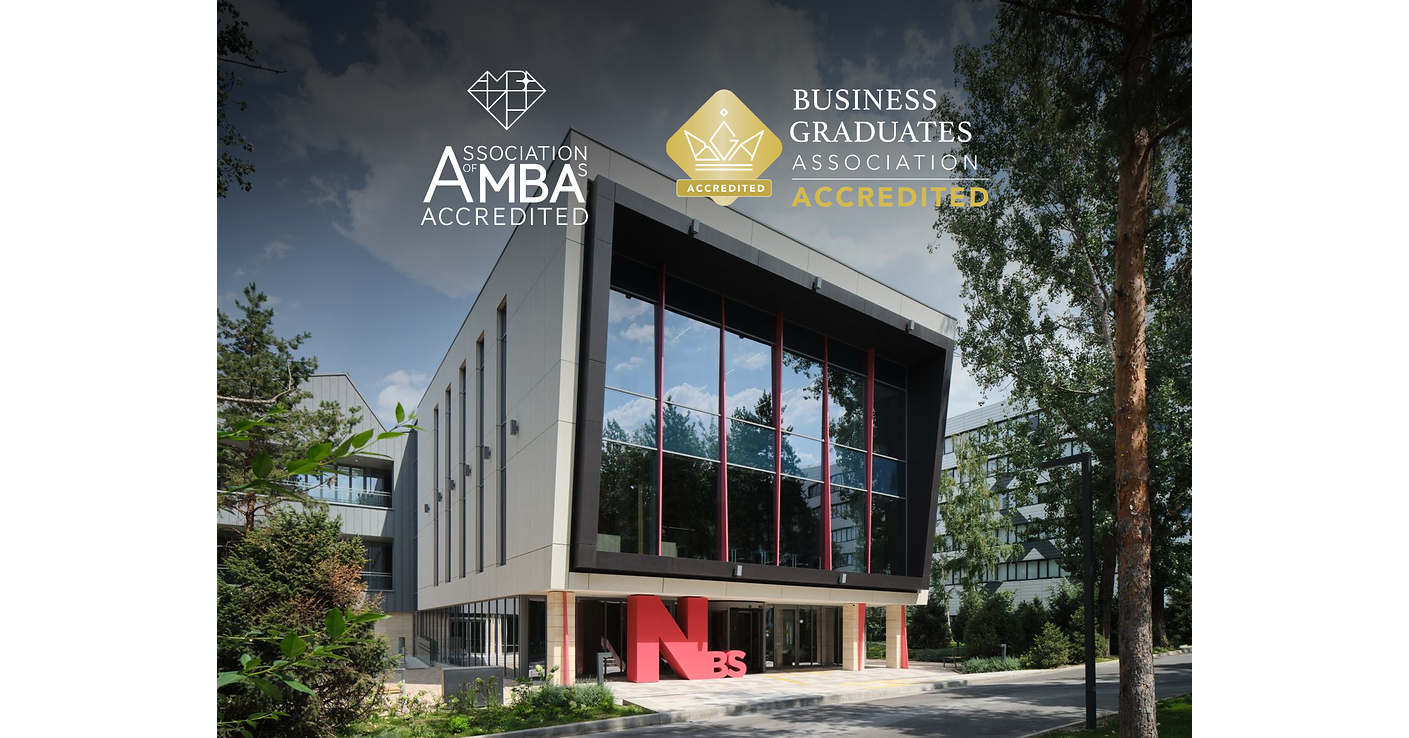
Narxoz Business School announced it has obtained joint accreditation from AMBA and BGA, placing it among the top 2% of business schools worldwide. The article says the accreditation followed a rigorous international review and will provide lifetime free membership in the AMBA global community of 80,000 professionals across 150 countries. Overall, it signals progress in program quality controls and campus/infrastructure modernization, but it is unlikely to materially move financial markets.
Analysis
This is primarily a brand-and-distribution event, not a near-term earnings catalyst. The economic value comes from lowering trust frictions: a stronger external signal can improve student conversion, corporate training demand, and employer willingness to recruit from the school, but those effects usually show up with a 1-3 intake lag rather than in the next quarter.
The second-order winner is the surrounding ecosystem in Kazakhstan: local corporates, recruiters, and executive-search firms gain a more credible pipeline of management talent, while regional competitors without comparable external validation may need to spend more on faculty, facilities, and international partnerships to defend pricing. The main loser is any nearby private program competing on prestige alone, because this kind of accreditation can widen the gap between perceived quality and local alternatives.
Contrarian takeaway: the market often overstates the monetization path from prestige signaling. Accreditation is reversible, and the durable payoff depends on measurable outcomes such as application growth, tuition mix, employer placements, and repeat corporate contracts. If those metrics do not improve over the next 6-18 months, the headline becomes mostly reputational and should not be treated as an economic rerating event.
AllMind Terminal
AI-powered research, real-time alerts, and portfolio analytics for institutional investors.
Request TrialMarket Sentiment
Overall Sentiment
mildly positive
Sentiment Score
0.25
Key Decisions for Investors
- No direct public-market trade: this is a private-institution credibility upgrade, so do not force a hedge-fund expression without a listed proxy tied to the asset.
- Watch the next 1-2 admissions cycles for evidence of monetization: applications, yield, tuition pricing, and executive-education bookings. If conversion does not improve by high-single digits, fade the story.
- Re-underwrite only if there is follow-through in employer outcomes: corporate sponsorships, placement rates, or repeat training contracts. Absent that, treat the accreditation as a marketing uplift rather than a durable moat.
- If a listed vehicle tied to the shareholder or a broader Kazakhstan education/platform asset becomes accessible, consider a small long only after proof of revenue uplift; otherwise stay flat.
- Set an alert for any reversal signal: negative employer feedback, loss of quality control, or failure to maintain accreditation standards over the next 12-18 months would invalidate the bullish narrative.
More News
- Trump to speak at UN; Alibaba’s new AI chip - what’s moving markets
- India's large caps stuck in 'bygone economic era', says Bernstein, as foreign investors head for the exit
- Tech Rallies on Meta Muse & Alibaba’s China AI Chip
- OpenAI faces lawsuit from British Columbia over Tumbler Ridge shooting
- Steve Jobs made Apple iconic. Tim Cook made it a $5 trillion behemoth
- US, China Talks Focus on Trade, AI, Investment