
From Hospital AI to Home Monitoring: Taiwan's Health-Tech Sector Tests Its U.S. Market Fit in Dallas
Source: PR Newswire
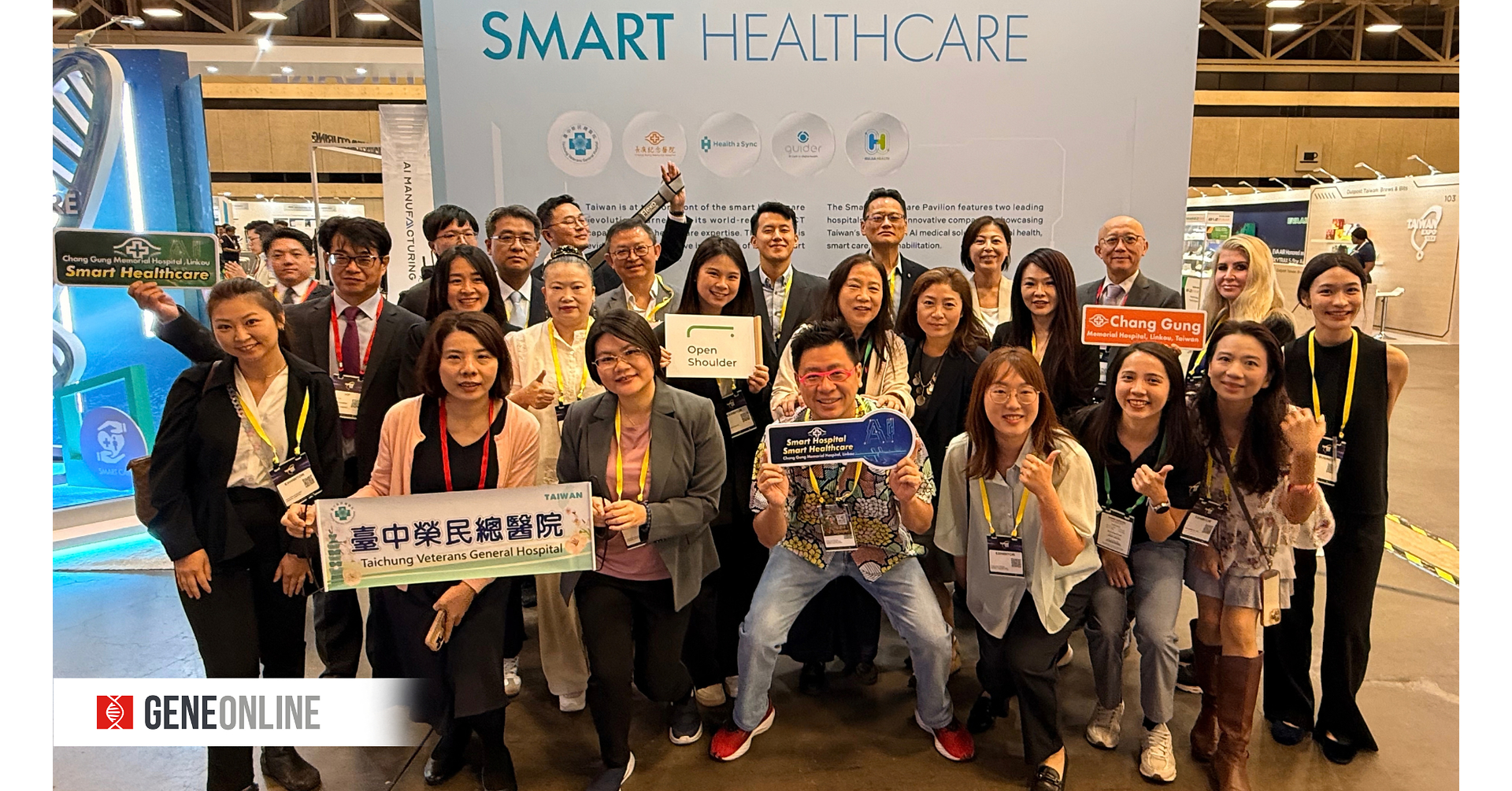
Ten Taiwanese hospitals and health-tech companies showcased technologies at Taiwan Expo USA 2026 in Dallas, spanning hospital AI, chronic-care platforms, remote monitoring, rehabilitation and medical computing. Their U.S. expansion prospects depend on clinical validation across different populations, regulatory pathways, local partners and service capabilities; TCVGH reported 86% specificity for its emergency-care AI in recent data, while VitalSigns said its device received U.S. FDA clearance in 2025 and its first Texas rollout is underway. The article describes varied stages of market entry rather than a confirmed sector-wide commercial breakthrough.
Analysis
The investable signal is not the product showcase; it is where value accrues after regulatory entry. In U.S. healthcare, local installation, service, clinical workflow integration and reimbursement determine adoption. Those requirements favor vendors with an existing hospital channel and support footprint over technically capable entrants—and may leave the Taiwanese component or device maker with limited pricing power even when a pilot succeeds. For HUKUI and other contract-development providers, more outsourced product work is a plausible tailwind, but customer acquisition and the economics of each engagement remain unverified.
The main second-order risk is that monitoring and AI reduce staff workload only if alerts are sufficiently accurate and fit clinical workflows. Poor performance can create clinician resistance and liability concerns; excessive alerts can add work rather than remove it. U.S. validation across populations, paid deployments and renewals matter more than demonstrations or company-reported capability. Established hospital technology vendors such as Philips and GE HealthCare could be better positioned to bundle new monitoring into existing relationships, though the article provides no evidence of commercial partnerships or displacement.
Near term, the expo itself is not a catalyst for listed-company earnings. Over 1–3 months, track named pilots converting to paid contracts, FDA pathway milestones, U.S. clinical validation and channel agreements. Over 6–18 months, recurring revenue, service costs, reimbursement and renewal rates will distinguish scalable platforms from custom deployments. Contrarian view: the sector’s hardware-plus-software story may overstate differentiation; local execution and procurement friction can commoditize devices. No broad long/short is justified from this low-impact, promotional source. Reassess only on independently verifiable U.S. deployments and repeatable economics.
AllMind Terminal
AI-powered research, real-time alerts, and portfolio analytics for institutional investors.
Request TrialMarket Sentiment
Overall Sentiment
neutral
Sentiment Score
0.10
Key Decisions for Investors
- No trade on the expo announcement alone: the companies’ U.S. commercial scale, contract values, margins and public-market exposure are not established by the article.
- Add Health2Sync, TCVGH, Chang Gung, VitalSigns, HuiJia and FREE Bionics to a catalyst watchlist; require paid U.S. deployments, relevant FDA milestones and independent validation before treating market-entry claims as revenue catalysts.
- Monitor Philips and GE HealthCare as potential distribution and workflow incumbents, not presumed winners: evidence of bundling, partnerships or displacement would be needed to support a relative-value position.
- Falsify the adoption thesis if pilots fail to convert, local support costs prevent repeatable deployments, or U.S. validation shows materially weaker performance; strengthen it only if contracts renew and recurring revenue grows without proportionate service burden.
More News
- Why is Samsung Electronics stock plunging today?
- SK Hynix plunges 8% amid Asia tech rout as Fed rate hike fears, AI funding worries mount
- Elon Musk says Trump is 'ultimately' responsible for any curbs on Ukraine's Starshield systems
- SK Hynix seeks U.S. chip equipment exports to China tied to new factory
- Dell stock plunges 11%, leading data center sell-off on concerns about 'enterprise AI timing'
- UBS considers leaving Switzerland over capital rule plans, WSJ reports