
Has Anyone Tried Gundry MD Vital Reds? Read Reviews, Ingredients, Benefits & More
Source: PR Newswire
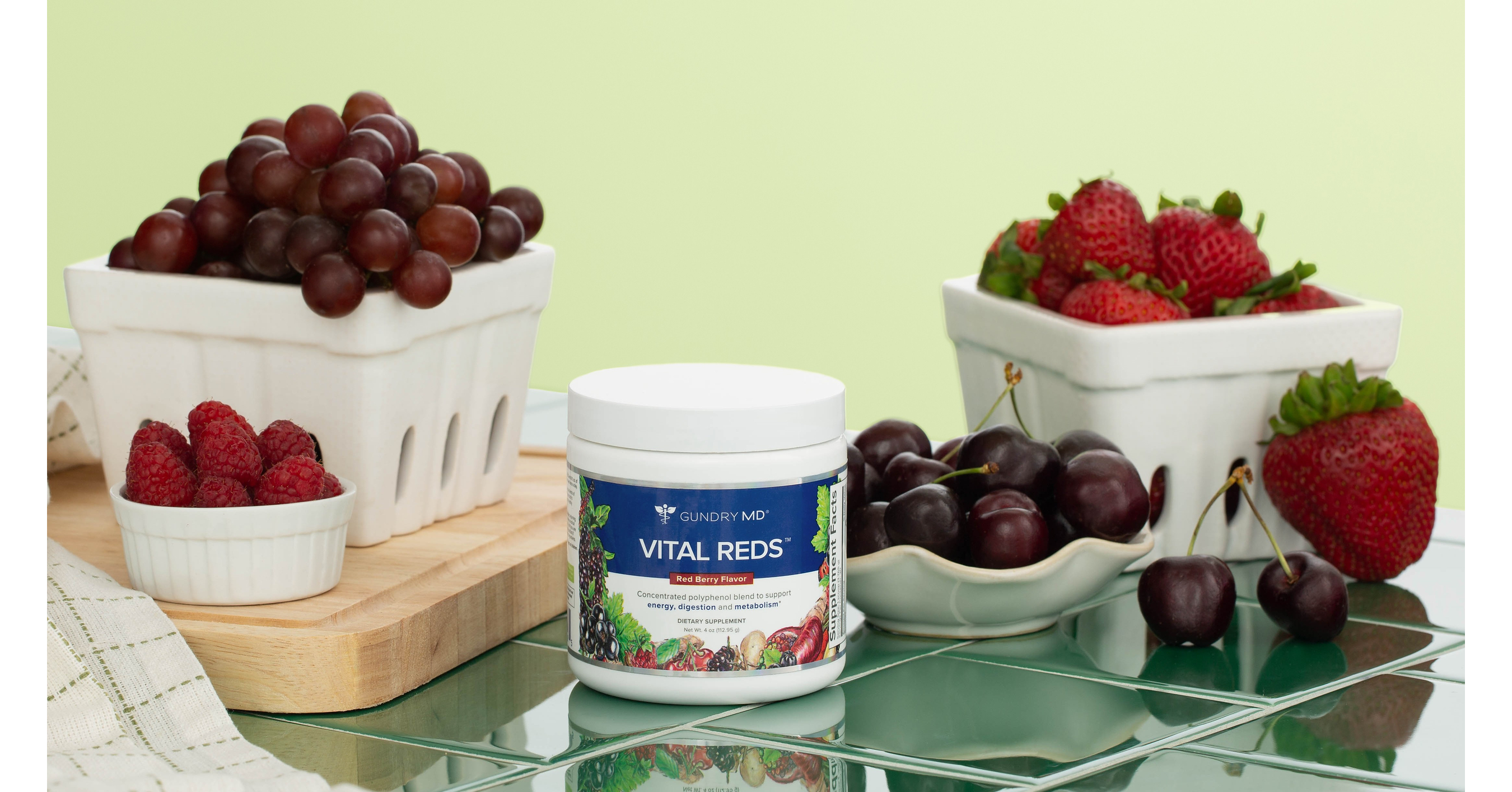
PRNewswire article promotes Gundry MD Vital Reds, describing a daily polyphenol- and probiotic-based drink mix featuring 34 superfruits and positioning it as “clean, sustained energy” plus digestion and metabolism support. The piece cites an 8-week user experience survey (ages 29–70) with positive customer feedback and highlights quality claims (GMP-certified facility, third-party testing) while noting FDA non-evaluation of health claims. Overall, it’s marketing-focused with no disclosed financial performance, guidance, or company-level market-moving updates.
Analysis
This is not a fundamental signal for the public equities in the data set; it is mostly a demand-generation asset for a private DTC brand. The only economically relevant mechanism is whether the company can convert wellness-content traffic into high-LTV subscription buyers, and there is no verifiable evidence here on cohort retention, CAC payback, or gross margin after promos, so the default read is marketing noise rather than a change in intrinsic value.
Second-order, the broader supplement stack is where the signal matters: the category remains fragmented and heavily performance-marketed, which usually benefits search, affiliate, and video discovery platforms more than the brands themselves. If consumers are actively searching for “energy/gut health” products, branded and generic query volume would be a tiny, short-duration tailwind for GOOGL, but too small to matter unless there is a measurable step-up in search trends over several weeks. The real losers are undifferentiated competitors with weaker review funnels and higher CAC, because these campaigns reinforce a race-to-the-bottom in paid acquisition.
Contrarian view: the market often dismisses wellness PR as fluff, but some of these products do become sticky routines once embedded, which can support repeat revenue and favorable contribution margins over 6-18 months. That said, the article provides no hard data on repeat purchase or churn, and the claims-based nature of the category leaves it exposed to compliance scrutiny if conversion claims outrun substantiation. Near term, there is no tradable catalyst; the falsifier is simple: absent a visible uplift in search interest, subscription conversion, or retailer sell-through, there is no reason to price in any incremental operating leverage.
AllMind Terminal
AI-powered research, real-time alerts, and portfolio analytics for institutional investors.
Request TrialMarket Sentiment
Overall Sentiment
neutral
Sentiment Score
-0.05
Key Decisions for Investors
- No trade in CETY, NYT, or WWRL on this item; expected impact is below the noise floor and the article is not a verifiable fundamental catalyst.
- Watch GOOGL for a modest, temporary uplift in branded-search and YouTube query volume over the next 1-3 weeks; only consider a tactical long if Google Trends and ad-click data show a clear step-up of >15-20% versus baseline.
- Avoid shorting any supplement or wellness proxy solely on this release; the article is promotional, but without evidence of weak conversion or bad unit economics, the downside is not underwritten.
- If we see repeat mentions, subscription language, or retail distribution data over the next 1-3 months, reassess the private-market winners in DTC wellness; otherwise treat this as non-actionable marketing spend.
- Set a compliance watch item for the broader category: any FTC/FDA inquiry or litigation around efficacy claims would be the real catalyst to short claim-heavy supplement brands, but that is not signaled here.
More News
- How much more can nuclear power plants give?
- CitizenLab details new spyware triggered by online advertising
- The irony of OpenAI crying foul over spying
- CoreWeave credit default swaps hit distress levels as investors sour on AI debt
- Penske Automotive agrees to be taken private by Penske, Mitsui
- Faraday Copper completes acquisition of BHP’s San Manuel project
From AllMind Research
- Anthropic IPO Preview: Valuation, Timing, and What to Watch
- Shein After the IPO: Venue, Valuation, and What Must Be Proved
- What AI Research Tools Should a Small Hedge Fund Buy First?
- Reading Conviction in the Tape: What Level 3 Order Book Data Really Tells Discretionary PMs
- AI Tools for CFA Charterholders: An Evidence Standard