
XBM USA and SiCAM Technologies Collaborate to Advance Next-Generation Silicon-Sulfur Battery Technology
Source: PR Newswire
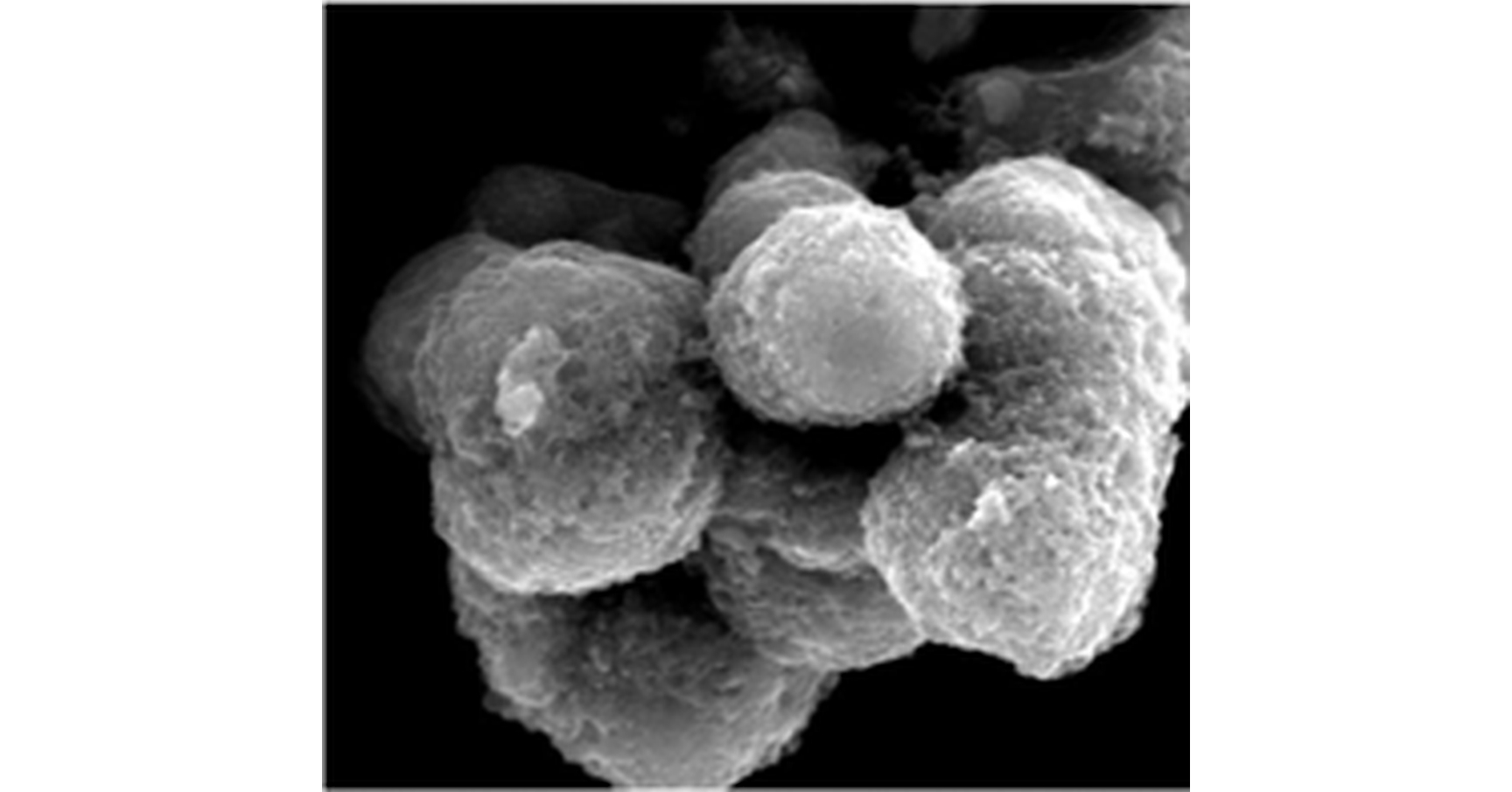
XBM USA and SiCAM Technologies announced a collaboration to develop a silicon-sulfur battery platform combining SiCAM’s silicon-carbon anode with XBM’s lithium-sulfur cathode and cell technologies. The companies aim to optimize the chemistry for high-energy-density, lightweight e-mobility applications, initially including eVTOLs and drones; the platform remains in development. The collaboration targets lower-cost, U.S.-sourced battery materials amid Asia’s roughly 80–95% share of global battery cell and materials supply.
Analysis
The investable signal is not the chemistry claim but whether the partners can produce independently validated full-cell results. Pairing two materials with known scale-up challenges compounds integration risk: silicon expansion and first-cycle lithium loss must coexist with sulfur-cathode cycle life, electrolyte stability, and manufacturable loading. A material-level energy-density advantage can disappear at pouch-cell level once excess lithium/electrolyte, packaging, and safety constraints are included.
The initial eVTOL/drone focus is economically coherent: buyers may value mass and range more than long cycle life, making these markets a better beachhead than mass-market EVs. If validated, the second-order beneficiaries would be US cell integrators and specialty aerial-mobility platforms seeking differentiated pack performance; incumbent graphite/NMC suppliers face substitution risk only after demonstrated cell reliability and repeatable production, not from this announcement. Domestic sourcing is a potential procurement advantage, but neither abundant feedstocks nor US production plans establish competitive cost or supply-chain independence. Silicon-sulfur cells still require lithium; this is not automatically a lithium-demand-displacement trade.
Near term (days), the announcement is unlikely to change public-company earnings absent a listed exposure or customer commitment. Over 1–3 months, watch for third-party full-cell energy density, cycle retention, safety data, and named OEM testing. Over 6–18 months, pilot yield, cost per usable kWh, and scale-up funding determine whether the platform becomes commercially relevant. The contrarian risk is that investors overvalue theoretical energy density while underweighting cycle life, yield, and qualification time. No ticker mapping or commercial validation is supplied, so there is no justified directional public-equity trade yet.
AllMind Terminal
AI-powered research, real-time alerts, and portfolio analytics for institutional investors.
Request TrialMarket Sentiment
Overall Sentiment
mildly positive
Sentiment Score
0.30
Key Decisions for Investors
- Do not trade this announcement as a near-term battery-materials revenue catalyst; the companies are not mapped to public tickers and the release provides no validated full-cell or commercial-scale metrics.
- Put XBM and SiCAM on a catalyst watchlist. Reassess only after independently verifiable full-cell results disclose energy density, cycle retention, safety, electrode loading, and test conditions.
- For any future eVTOL or drone beneficiary thesis, require evidence of OEM qualification and pack-level performance; falsify it if cycle-life or safety results fail to meet application requirements, or pilot yields/costs prevent repeatable production.
- Do not infer a lithium short from the sulfur chemistry. Verify cell design and lithium inventory requirements before positioning against lithium producers or in favor of alternative-chemistry suppliers.
More News
- Trump's diesel agreement with Putin accused of contradicting Russia sanctions law
- Verizon stock heads for worst day since 2002 as SpaceX U.S. network plans whack telcos
- Israel’s economy prospers despite years of war, but prices worry voters
- Trump reaches Russian diesel supply deal as U.S. fuel prices surge
- SpaceX’s Wireless Threat Rises With Spectrum Deal
- SpaceX to buy key spectrum that could help Starlink Mobile become major US cell carrier
From AllMind Research
- Anthropic IPO Preview: Valuation, Timing, and What to Watch
- Shein After the IPO: Venue, Valuation, and What Must Be Proved
- What AI Research Tools Should a Small Hedge Fund Buy First?
- Reading Conviction in the Tape: What Level 3 Order Book Data Really Tells Discretionary PMs
- AI Tools for CFA Charterholders: An Evidence Standard