
Blowout jobs report scrambles Fed rate calculus
Source: proactiveinvestors.com
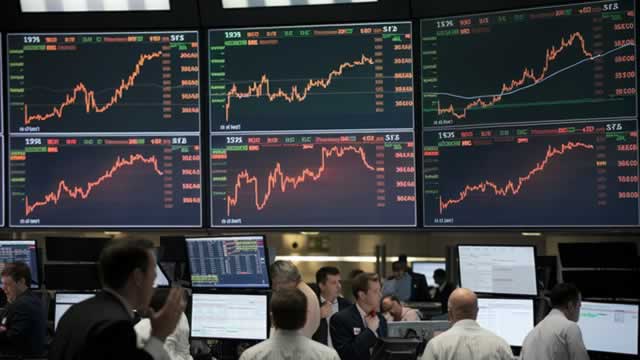
August nonfarm payrolls rose by 162,000 versus 55,000 expected, resetting expectations for the Fed’s Sept. 16 meeting. The upside jobs surprise reignites debate over tighter policy timing (hawkish repricing) while fueling discussion that AI-driven change is affecting hiring demand. Markets are likely to re-price near-term rates/yields on the stronger labor-market signal.
Analysis
The immediate market mechanism is a repricing of the front end: fewer cuts, higher real rates, and tighter financial conditions into the September FOMC window. That is usually a headwind for long-duration equities first, with the highest beta to discount-rate moves showing up in ARKK-style growth, unprofitable software, and small caps before the broader index. If the labor signal persists through the next CPI/PPI prints, the pain can extend from a one-day rates move into a 1-3 month de-rating as earnings multiples reset lower.
Second-order, the stronger labor backdrop is not uniformly positive for “jobs” because it also raises the bar for margin expansion. Wage-sensitive sectors and labor-intensive businesses lose pricing flexibility, while banks and insurers benefit modestly from a steeper front-end curve and delayed easing. The AI angle matters most for the hiring mix: if firms are substituting software for headcount, the macro can look robust while white-collar labor demand quietly deteriorates, which is bearish for staffing, recruiting, and some enterprise-services names even if headline employment stays firm.
The contrarian view is that one strong print does not cancel the disinflation path, especially if participation and productivity are improving. If the next inflation read softens, the market can quickly reprice back toward cuts and unwind the hawkish move. The key falsifier for the hawkish trade is a sharp reversal in 2-year yields or a dovish Fed shift that re-anchors easing expectations before month-end.
AllMind Terminal
AI-powered research, real-time alerts, and portfolio analytics for institutional investors.
Request TrialMarket Sentiment
Overall Sentiment
mildly negative
Sentiment Score
-0.15
Key Decisions for Investors
- Short IWM vs long XLF into the September FOMC: small caps are the most rate-sensitive cohort, while banks can absorb higher front-end yields better; target 3-5% relative underperformance for IWM over 1-3 months, stop if the 2-year yield retraces sharply.
- Buy TLT puts or short IEF on any post-data bounce: the cleanest expression is duration underperformance if the market keeps pricing fewer cuts; risk/reward is strongest into CPI and the September meeting, with the thesis invalidated if core inflation softens materially.
- Pair long XLF / short IGV for a 1-3 month rotation trade: hawkish rates support net interest margins more than they help software multiples, which should keep the spread biased toward financials if discount rates stay elevated.
- Avoid chasing high-multiple AI beneficiaries on the labor headline alone; instead use any weakness in NVDA/SMH only if yields stabilize, because the first-order effect is multiple compression, not fundamental AI demand destruction.
- Set an alert on 2-year Treasury yields and Fed Funds futures: if the market re-prices back to easier policy within 1-2 weeks, cover rate-sensitive shorts quickly because the move is likely a positioning washout rather than a durable macro turn.
More News
- Indonesian stocks plunge to six-year low as MSCI downgrade fears mount
- China's CXMT sees shares drop over 6% as investors look past chipmaker's profit turnaround
- China's economic growth quickens to 4.6% as exports surge, stimulus rolls out
- China’s Coal Output Drops as Concerns Build Over Winter Supply
- Asian stocks skid, Wall Street and bonds aided by oil slip
- India’s Finance Minister blames easy exits and excess liquidity for equity market's underperformance