
USDA Confirms First US Wildlife Case of New World Screwworm
Source: Bloomberg
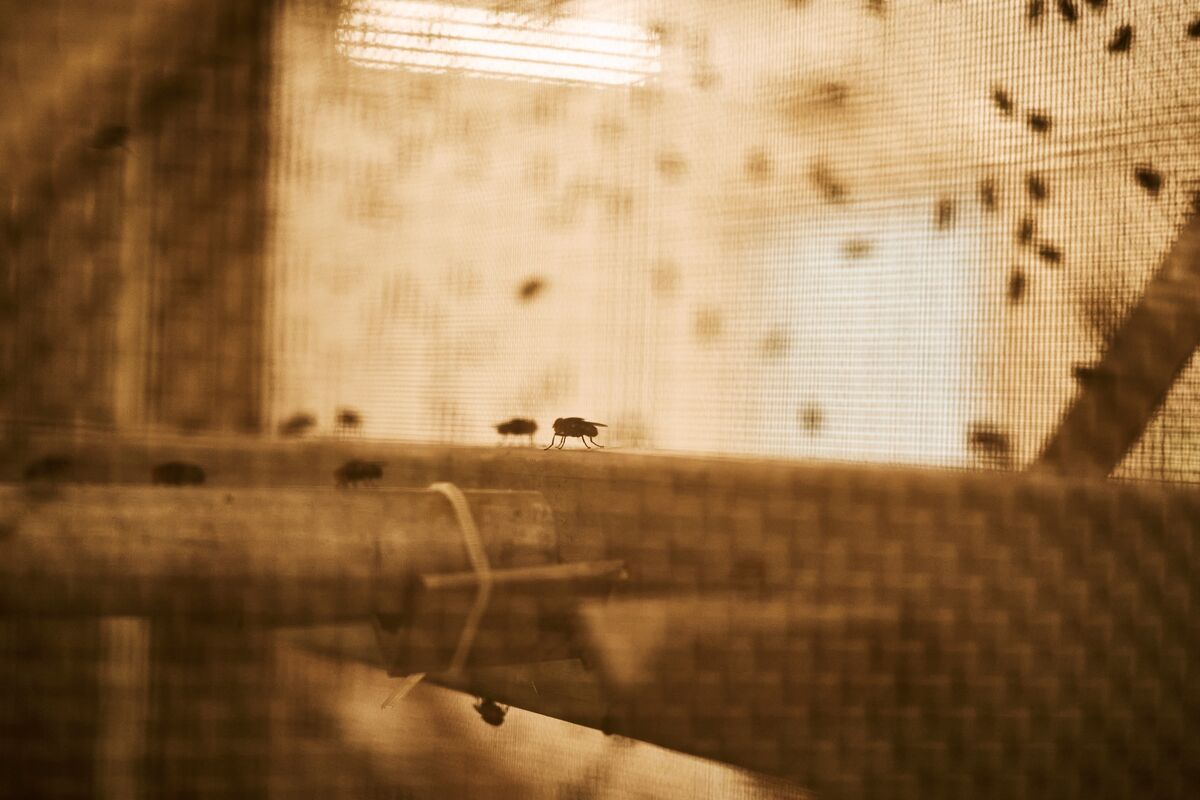
USDA confirmed the first U.S. wildlife case of New World screwworm in an elk at a game ranch in Pecos County, Texas. Spread among wildlife is a concern for cattle ranchers because wildlife and cattle graze the same terrain; the article reports no cattle cases or economic losses.
Analysis
The market-relevant risk is not the isolated wildlife finding itself, but whether wildlife transmission makes eradication harder and triggers wider movement controls. If surveillance or restrictions expand beyond the affected area, Texas ranchers could face higher inspection, treatment, and biosecurity costs; disrupted cattle flows could also tighten regional supplies and complicate procurement for meat processors such as Tyson Foods and JBS. Those are conditional spillovers, not evidence of current company-level earnings impact.
Near term, this is a monitoring event rather than a broad beef-sector signal: one wildlife case does not establish cattle infection, sustained transmission, or nationwide supply disruption. Over the next 1–3 months, USDA containment boundaries, additional wildlife or livestock detections, and any changes to cattle movement rules are the key catalysts. Over 6–18 months, persistent transmission would raise the cost of maintaining herd health and could affect regional production economics; conversely, rapid containment would leave little durable impact.
Contrarian read: the first wildlife detection may increase visibility and surveillance before it causes meaningful economic damage. A bearish reaction in livestock or meat-related equities would be vulnerable to reversal if follow-up testing remains localized. The thesis changes materially with confirmed cattle cases or broader restrictions; absent those, there is no demonstrated basis for a large directional trade.
AllMind Terminal
AI-powered research, real-time alerts, and portfolio analytics for institutional investors.
Request TrialMarket Sentiment
Overall Sentiment
mildly negative
Sentiment Score
-0.20
Key Decisions for Investors
- No immediate broad long/short position in beef producers or processors: the article does not establish livestock infections, material supply loss, or a quantified earnings effect.
- Track USDA updates for additional wildlife or cattle detections, containment-zone expansion, and cattle movement restrictions; these would be the triggers to reassess regional cattle supply and processor exposure.
- If restrictions broaden, assess regional live-cattle and feeder-cattle exposure before considering a long supply-tightness position; verify affected herd counts and movement volumes rather than extrapolating from one case.
- Falsification: follow-up surveillance remains localized and USDA reports no cattle cases or wider restrictions. That would argue against a persistent sector risk premium.
More News
- WHO warns ‘more complex’ Ebola outbreak now present in 3 African countries
- ‘They are trying to intimidate us’: Indonesia’s Prabowo remains defiant in the face of an MSCI double downgrade
- US tech stocks tumble as investors fret over AI spending
- Asian shares wobble as tech rout boosts bonds, dents rate hike bets
- Asia stocks fall as AI rout batters S.Korea; Japan spooked by strong CPI
- AI debt and French bonds face a stress test — why it may not be over