
World Class Health Launches Infusion Care, Bringing Specialty Drug Treatments Home and Cutting Employer Costs by Roughly 46%
Source: PR Newswire
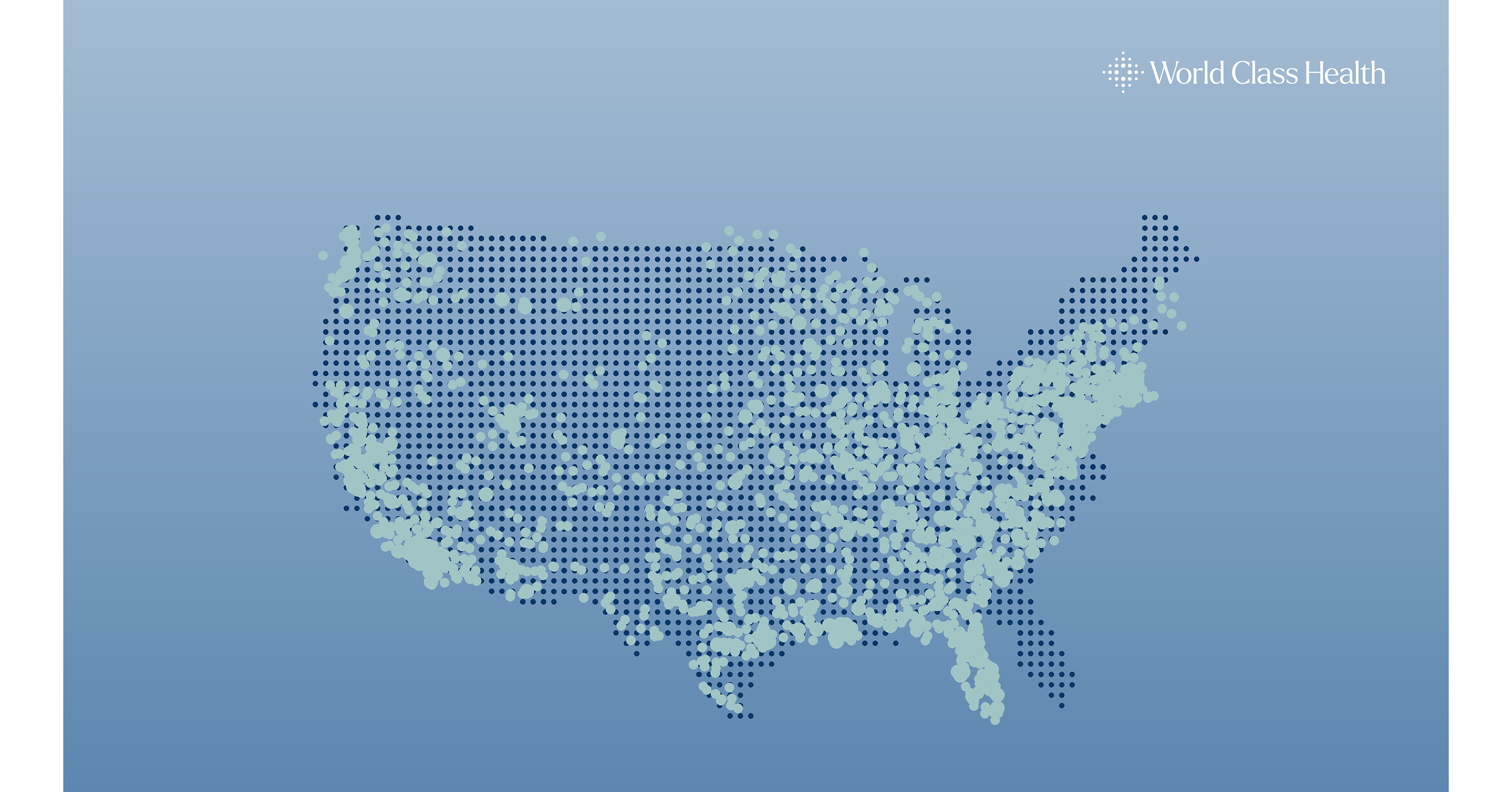
World Class Health (WCH) expanded its AI-native specialty care platform into specialty infusion, enabling home infusion across all 50 states and eliminating buy-and-bill margin. WCH claims average savings of ~46% vs commercial hospital outpatient benchmarks, or roughly $30,000–$50,000 per patient per year, by routing eligible members from hospital chairs to home or lower-cost infusion suites while confirming out-of-pocket costs before scheduling. The company positions the rollout as a solution to “flying blind” members and rising specialty costs projected to grow another 32% by 2028.
Analysis
This is less about drug demand than about reclaiming the site-of-care spread. If employers can reliably redirect eligible cases away from hospital outpatient departments, the profit pool shifts from facility markup to whoever owns navigation, scheduling, and home-visit logistics. The public-market analog is not the biotech manufacturers; it is the handful of operators that can actually execute home infusion at scale, with Option Care Health as the cleanest beneficiary if referral volume and mix improve.
The more important second-order effect is pressure on hospital margin pools that are already vulnerable to outpatient leakage. Even if infusion is a small slice of consolidated revenue, it is high-margin, and losing it can matter disproportionately because it removes incremental contribution without much fixed-cost relief. That makes this a longer-duration earnings issue for hospital systems and ambulatory platforms, but the near-term read-through is probably modest unless adoption accelerates through benefits consultants and self-insured employer channels.
The contrarian view is that the market may overestimate how easily “eligible” cases become actually movable. Home infusion is operationally constrained by nursing capacity, prior-auth friction, and physician inertia; the biggest savings claims often come from a narrow subset of therapies, not the whole addressable universe. I’d treat this as a months-long utilization shift, not a day-one revenue shock, and the thesis fails if home-infusion growth does not show up in next quarter commentary or if hospital outpatient margins prove sticky despite employer steering.
AllMind Terminal
AI-powered research, real-time alerts, and portfolio analytics for institutional investors.
Request TrialMarket Sentiment
Overall Sentiment
moderately positive
Sentiment Score
0.35
Key Decisions for Investors
- Watchlist, not immediate trade: long OPCH / short HCA or THC only if next-quarter home-infusion volume commentary confirms acceleration; target 8-12% relative outperformance over 3-6 months, stop if OPCH does not re-accelerate or hospitals report no outpatient margin pressure.
- Fade any knee-jerk bullishness on hospital systems with meaningful outpatient exposure: use strength to short HCA or THC into rallies as a 6-12 month site-of-care leakage thesis, but keep sizing small because infusion is a slice, not the whole earnings story.
- Prefer a ‘proof-first’ approach: do not pay up for private-market enthusiasm until there is evidence of employer adoption and nurse-capacity scaling; the key catalyst is utilization data, not press-release claims.
- If you need a lower-beta expression, pair long XLV-neutral exposure via OPCH and short HCA rather than an outright hospital short; the relative trade should work only if outpatient diversion shows up in commentary and claims trends.
More News
- Why hedge funds could be making a bond market shock more likely
- AI stocks plunge. Inflation heats up. Where we're still finding opportunities
- AI rapidly improving, could vastly boost U.S. GDP, Anthropic's Clark tells policymakers
- ‘How many canaries have we killed in the coal mine?’ — Wall Street debates if the latest AI bubble warnings are another head fake or the real thing
- Semiconductor market to remain solid ‘at least through next year,’ South Korea finance minister says
- Nasdaq Index: AI Selloff Deepens as Chips and CoreWeave Break