
Latest Oil Market News and Analysis for Sept. 23
Source: Bloomberg
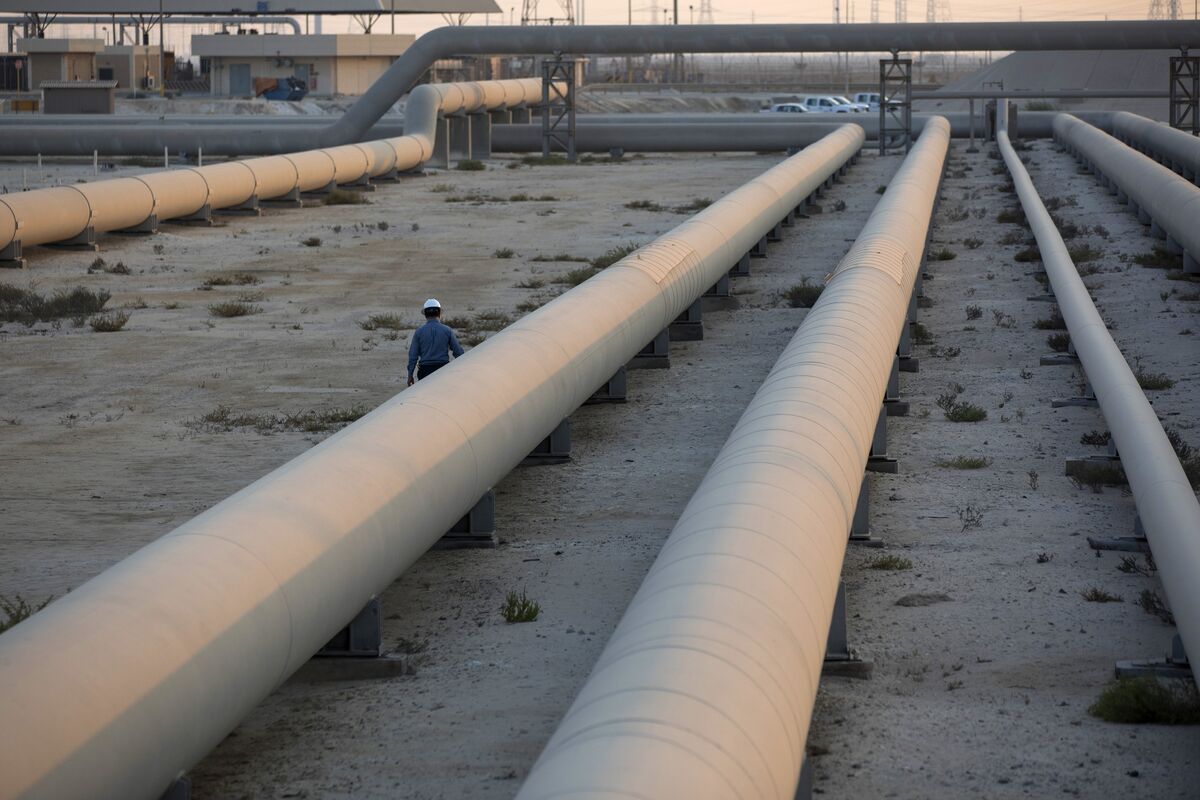
WTI crude for November fell below $90 per barrel after dropping more than 10% over the prior five sessions, while Brent settled above $99 on Tuesday. Oil prices extended losses as the US reported progress in talks with Iran aimed at ending the conflict and Saudi Arabia moved to restart a key pipeline, easing perceived supply-disruption risk. Further US-Iran meetings are planned despite continued hostile rhetoric from President Trump.
Analysis
The near-term price move should compress upstream cash-flow expectations faster than it improves global demand: US E&Ps have substantial operating leverage to sub-$90 WTI, while refiners retain a feedstock-cost tailwind if product demand and cracks hold. A cleaner expression is long MPC or VLO versus short XOP, rather than a broad outright oil short; the pair captures margin expansion for refiners while isolating the commodity beta that has already repriced sharply.
The key distinction is between diplomatic headlines and enforceable supply normalization. Iranian barrels cannot meaningfully alter sanctioned trade flows without a formal sanctions waiver, banking/insurance clarity, and willing buyers—likely a 1-3 month process at best—while a pipeline restart matters only at sustained throughput. Tanker insurance premia, Red Sea routing, and physical Brent differentials may therefore remain elevated even if WTI continues to sell off, supporting a wider Brent-WTI spread over the next several weeks.
Consensus may be extrapolating a geopolitical risk-premium unwind before the underlying logistics system has normalized. Any failed follow-up meeting, verification dispute, or interruption in Saudi pipeline flows could rapidly reprice front-month crude because speculative length has likely been reduced by the recent decline; the reversal risk is greater in Brent than WTI. Over 6-18 months, a credible détente would be structurally bearish for high-cost North American producers and supportive of petrochemicals, airlines, and refiners through lower input costs.
Company and political claims require verification through Iranian export-loading data, Saudi pipeline nominations, Brent time spreads, and war-risk insurance rates. A sustained Brent backwardation and elevated freight/insurance costs would indicate that physical tightness remains despite lower flat prices, invalidating a simple bearish crude thesis.
AllMind Terminal
AI-powered research, real-time alerts, and portfolio analytics for institutional investors.
Request TrialMarket Sentiment
Overall Sentiment
mildly negative
Sentiment Score
-0.35
Key Decisions for Investors
- Initiate a 1-3 month pair trade: long MPC and VLO, short XOP in equal beta-adjusted dollars. Target 8-12% relative return if crude weakness persists while gasoline/distillate cracks remain resilient; exit if 3-2-1 crack spreads fall more than 15% or WTI rebounds above $95.
- Avoid adding outright short crude after the rapid drawdown; instead, buy 1-2 month Brent upside calls financed with lower-strike call spreads only if Brent time spreads remain in backwardation and tanker insurance/freight data stay elevated. This is event-risk protection against failed negotiations, with premium at risk limited to the option debit.
- Use a conditional long Brent/short WTI spread for the next 2-6 weeks if physical evidence confirms constrained seaborne flows despite lower prices. The thesis is that Saudi logistics normalization preferentially relieves regional crude balances while geopolitical freight and quality premiums preserve Brent strength; close if Brent-WTI narrows materially alongside falling insurance costs.
- Place an earnings-risk watch on high-beta, lightly hedged US E&Ps such as OXY, FANG, and DVN. Do not short solely on headlines; reassess after management updates hedge books and 2027 capital plans, but a sustained WTI print below $85 would raise guidance-cut and multiple-compression risk.
More News
- Trump Says US Team Met With Iranians at UNGA
- ‘I have a big decision to make’: Trump had a ‘good meeting’ with Iranian officials warning he may ‘annihilate the Islamic Republic’
- Bank of America says Brent crude oil could top $150 a barrel if Iran war disruptions persist
- Ashton: Trade Truce Will Be Key Test of Trump-Xi Talks
- The bond market is flashing a warning for stocks. These sectors are already wobbling.
- Sullivan: Wall Street admits it doesn't know where oil is headed. There's one stock they do agree on
From AllMind Research
- Anthropic IPO Preview: Valuation, Timing, and What to Watch
- Shein After the IPO: Venue, Valuation, and What Must Be Proved
- What AI Research Tools Should a Small Hedge Fund Buy First?
- How to Evaluate AI Report Writers for Financial Analysis
- Weekly Update: Sector Analysis, Improvements on Research Data, and Performance Enhancements