
Guillermo Ochoa vedie novú kampaň na podporu záväzku BC.Game k regulovanému mexickému trhu
Source: PR Newswire
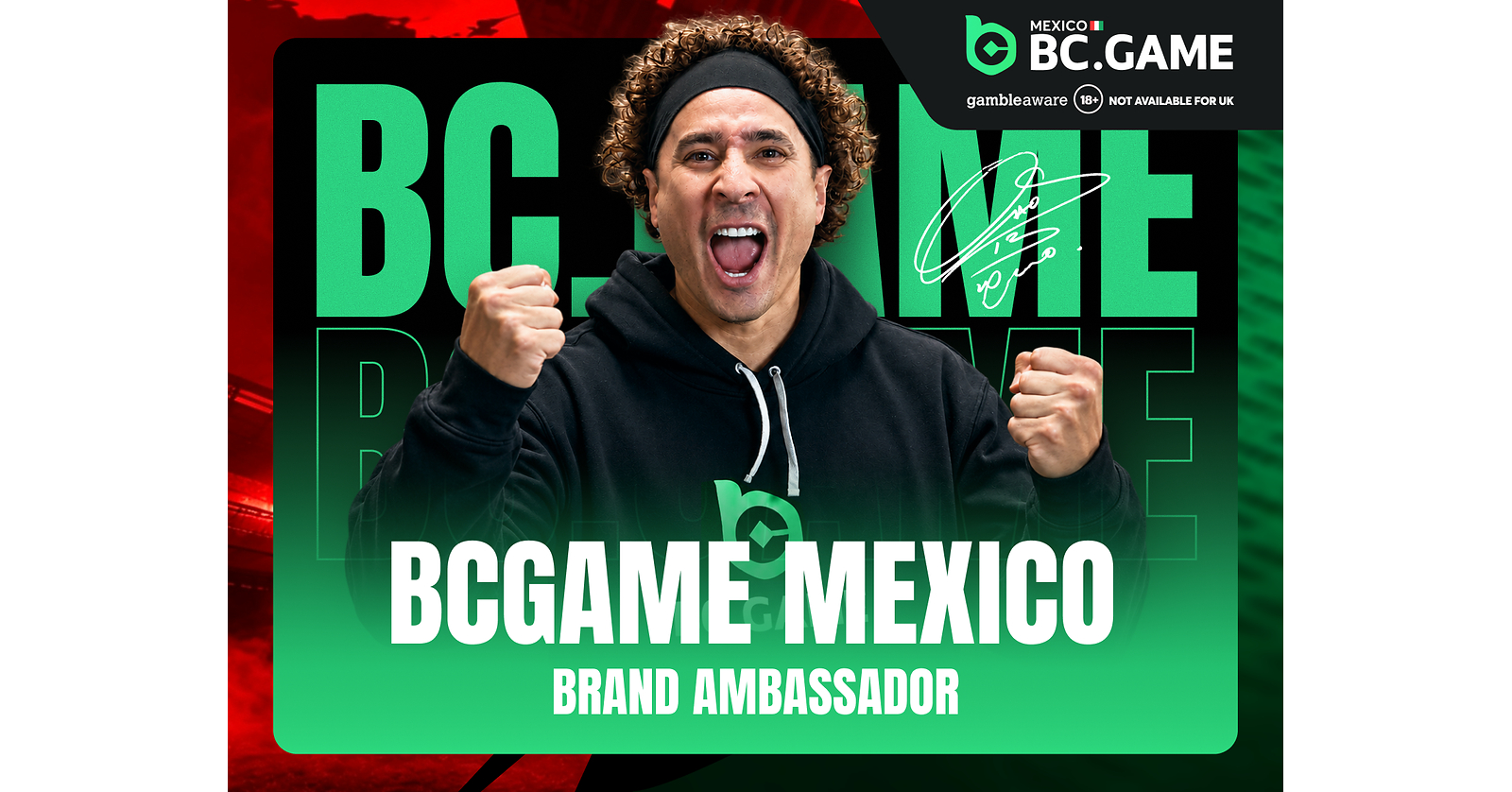
BC.GAME launched a Mexico-focused brand campaign featuring five-time World Cup goalkeeper Guillermo Ochoa, supporting its regulated online gambling and crypto-gaming expansion through BCGAME.mx. The company says it operates under a SEGOB-related Mexican gaming authorization, offers local OXXO and SPEI payment channels, and processes withdrawals in minutes. The campaign is a localized customer-acquisition initiative targeting Mexico's large smartphone-enabled, football-oriented online gaming market, but provides no financial performance or user-growth figures.
Analysis
This is not directly investable: BC.GAME and the relevant Mexican operating entities appear private, while the release offers no independently auditable data on customer acquisition cost, deposits, gross gaming revenue, withdrawal performance, or license economics. The immediate market implication is limited, but the campaign underscores that localized payment rails and trusted domestic distribution—not crypto branding—are likely the binding competitive variables in Mexican online gaming. That favors scaled, regulated operators with established compliance, payments, and marketing infrastructure over offshore-first challengers.
For 1-3 months, the relevant read-through is incremental competition for Mexican digital-wallet and cash-payment transaction volume, but likely immaterial to publicly traded payment networks without disclosed processing concentration. The more important 6-18 month issue is regulatory enforcement: a credible tightening of affiliate, advertising, KYC, or tax rules would raise customer-acquisition costs and favor licensed incumbents, while also creating operational risk for operators relying on third-party permit structures. Celebrity endorsement can improve conversion but does not validate payout claims or reduce the regulatory/AML discount investors should apply to the sector.
Contrarian view: consensus may overestimate the monetization value of football-led acquisition ahead of major sporting attention. In online wagering, promotional spend often front-loads revenue but depresses contribution margins through bonuses, fraud, and elevated churn; local payment access can accelerate both deposits and withdrawals, reducing float economics. No broad public-equity trade is warranted until there is verifiable evidence of market-share gains, enforcement actions, or material payment-volume disclosures.
AllMind Terminal
AI-powered research, real-time alerts, and portfolio analytics for institutional investors.
Request TrialMarket Sentiment
Overall Sentiment
mildly positive
Sentiment Score
0.30
Key Decisions for Investors
- No position in response to this release; treat it as a private-market competitive datapoint rather than a catalyst for listed crypto, gaming, or payments equities.
- Create a regulatory watchlist around Mexican SEGOB/DGJS enforcement, advertising restrictions, tax changes, and any review of permit-holder/operator arrangements over the next 3-6 months; enforcement would be more consequential for offshore and subscale operators than for established regulated platforms.
- Monitor publicly listed Latin American payments proxies, including NU and STNE, for Mexico transaction-volume commentary rather than extrapolating from marketing claims. Consider a thesis only if management identifies gaming-related volume as material and sustained; absent that disclosure, expected earnings impact is de minimis.
- For global listed wagering names with Latin American exposure, require evidence of net gaming revenue growth after promotional costs and withdrawals before assigning value to football sponsorships. A deterioration in promotional intensity or compliance costs should be treated as a margin-risk signal, not a demand-growth signal.
More News
- Anthropic CEO Amodei to have dinner with Trump at White House
- Paramount Warner Deal Tests Hollywood’s Future
- Mike Waltz: US offered to sell Iran uranium for civilian programme
- Trump to have dinner with Anthropic CEO Amodei at the White House, Axios reports
- US China Trade Truce Leaves Key Issues Unresolved
- ‘China has arrived’: From $1,000 Gucci sneakers to German cars, China is coming for the industries that made Europe rich