
BHU Foods Enters a New Era With 2026 Relaunch of Better-for-you Snacks!
Source: PR Newswire
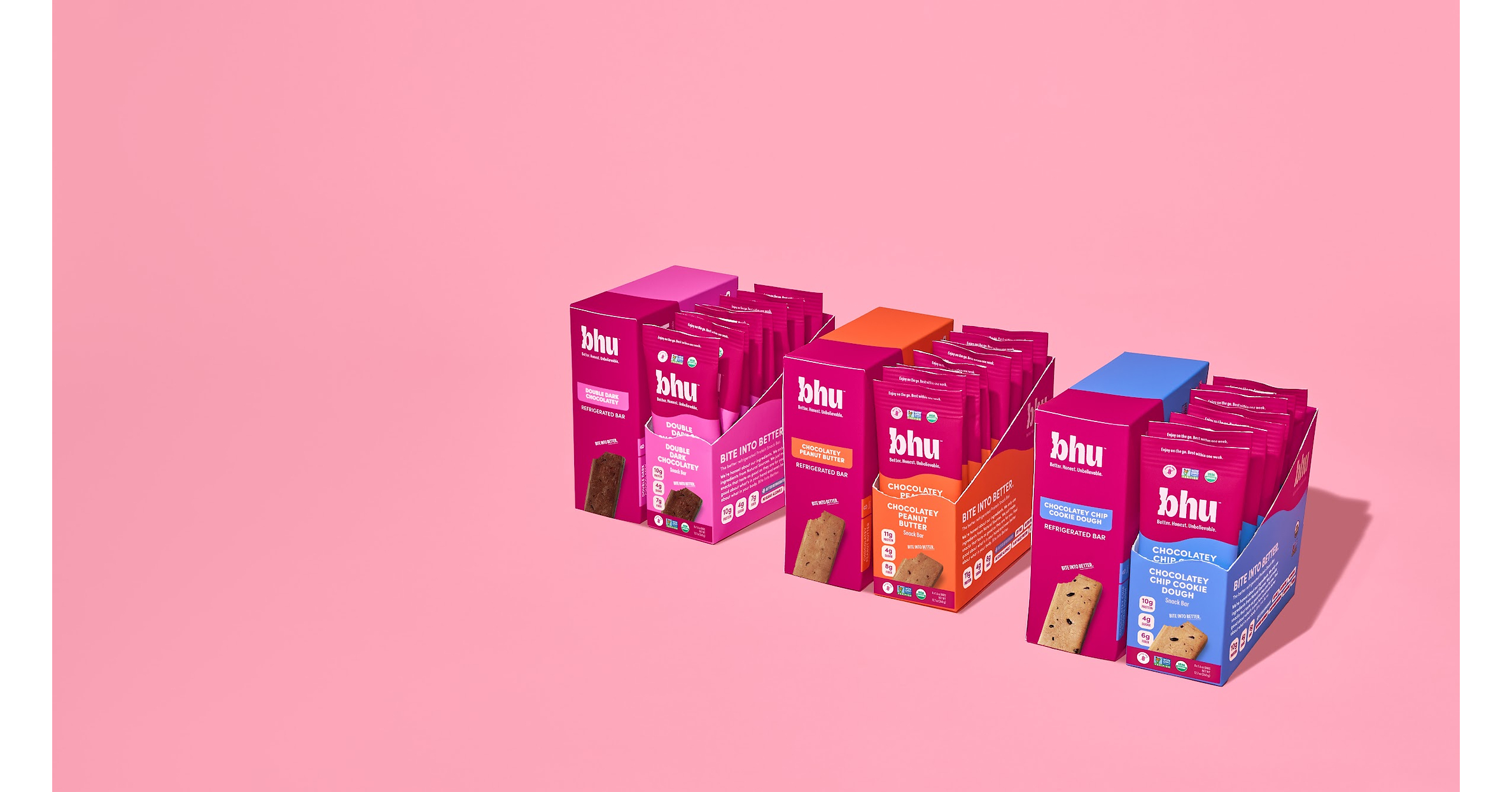
BHU Foods relaunched its organic, plant-based snack lineup and is expanding retail distribution on the West Coast through Sprouts and Erewhon, while entering Mom's Organic Market on the East Coast. The refreshed product portfolio is also available through Amazon and direct-to-consumer, with all products positioned as USDA Organic, Non-GMO, gluten-free and vegan. The announcement signals broader distribution and a strategic shift toward protein- and fiber-forward better-for-you snacks, but provides no sales, margin, or financial guidance.
Analysis
This is not yet material to AMZN or Sprouts Farmers Market (SFM) earnings, but it reinforces a favorable category-mix signal: refrigerated, functional snacks can lift basket value and differentiate specialty grocers from conventional food retail. SFM is the more direct read-through because its customer base is predisposed toward organic and restricted-diet products; the relevant question is not initial distribution but velocity, repeat purchase, and refrigerated-set productivity versus incumbent brands such as Simple Mills, Lenny & Larry's, and Quest/ATKR-linked functional nutrition channels.
For AMZN, the incremental GMV is immaterial, while the more relevant mechanism is whether emerging brands continue to use Amazon as a discovery channel before retail scale. That dynamic supports marketplace selection and advertising revenue, but it also increases price transparency and raises customer-acquisition costs for small consumer packaged-goods brands. BHU's claims are promotional rather than independently validated, and a narrow West Coast specialty rollout provides no evidence of national demand elasticity or sustainable gross margin after cold-chain logistics, promotional allowances, and retailer slotting costs.
Over the next 1-3 months, monitor SFM category commentary, same-store sales, and gross-margin trends rather than treating this launch as a catalyst. Over 6-18 months, sustained migration toward protein/fiber-forward refrigerated snacks would favor retailers with productive fresh/refrigerated real estate, but could pressure private-label economics if branded innovation commands more shelf space and promotional support. The contrarian view is that "clean label" proliferation is fragmenting the category: without exceptional velocity, new entrants typically increase assortment complexity rather than category profit.
AllMind Terminal
AI-powered research, real-time alerts, and portfolio analytics for institutional investors.
Request TrialMarket Sentiment
Overall Sentiment
mildly positive
Sentiment Score
0.30
Ticker Sentiment
Key Decisions for Investors
- No standalone trade on this announcement; BHU is private and the implied revenue contribution to AMZN and SFM is de minimis.
- Maintain SFM on a watch list for a long versus conventional grocers only if the next two quarterly reports show positive comparable-store sales alongside stable or expanding gross margin; that combination would validate premium functional-food mix rather than promotional traffic.
- For an existing SFM long, use category margin as the falsification metric: reduce exposure if refrigerated/fresh shrink or promotional intensity drives a gross-margin decline despite positive comps over the next 1-2 quarters.
- Do not extrapolate to AMZN equity. Reassess only if broader third-party grocery/CPG data show accelerating functional-snack marketplace sales and advertising monetization; absent that, the signal is immaterial relative to AWS, retail margin, and capex drivers.
More News
- RBC Capital cuts Sprouts Farmers Market stock rating on margin concerns
- As Waymo expands overseas, it remains a niche cash-burning business
- Microsoft’s cloud growth accelerates, and so too does the spending
- Google parent Alphabet tumbles after profit disappoints, warns AI is battering its cash flow
- Alphabet set to report third-quarter earnings after the bell
- Google alters its cloud playbook, enlisting partners to sell more AI chips