
Memorial Healthcare System Mobile Health Program Connects Thousands to Care, Reduces Hospital Admissions
Source: PR Newswire
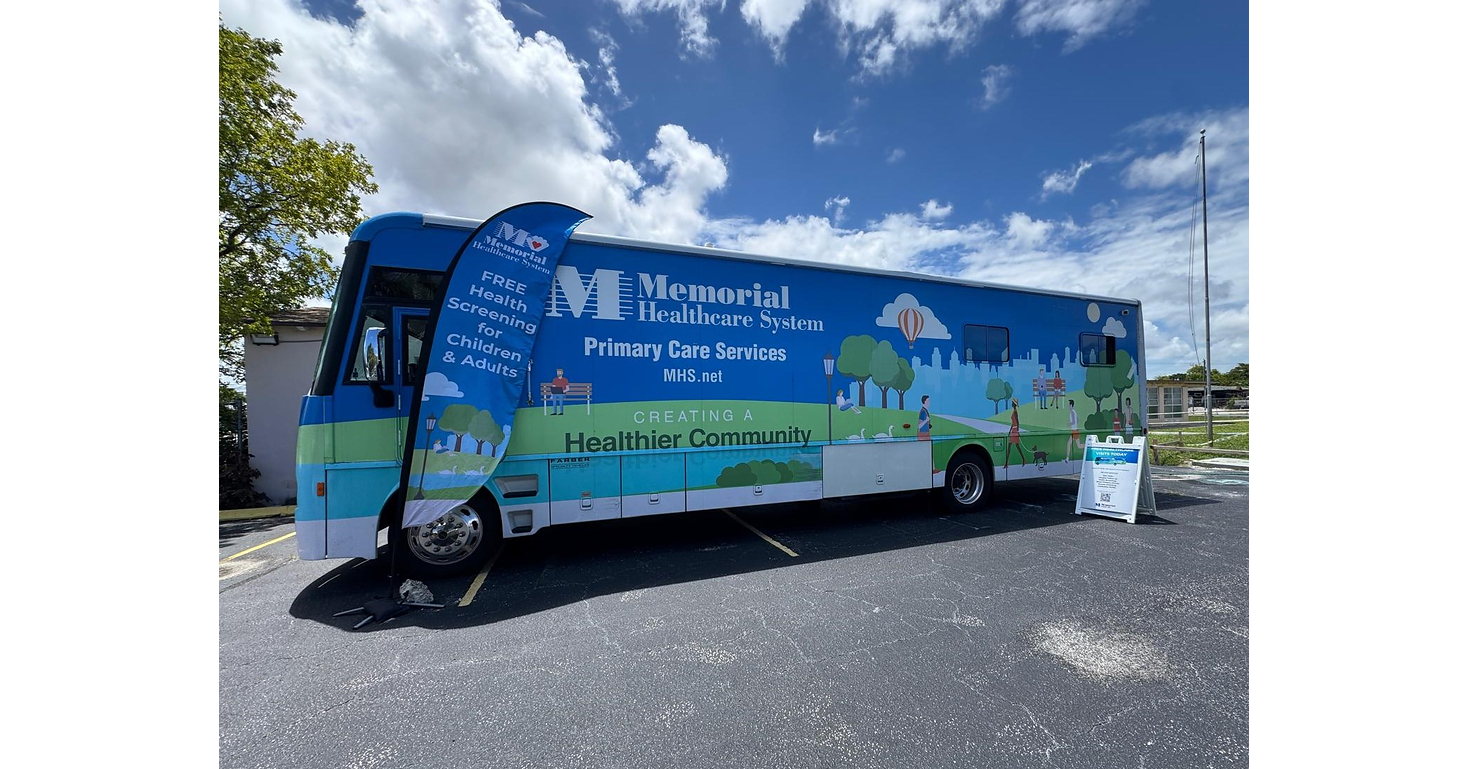
Memorial Healthcare System’s mobile health program served more than 2,000 patients through more than 2,800 visits in the first nine months of 2026. In 2025, it delivered more than 3,500 visits, was associated with a 62% reduction in hospital admissions among participating patients, and generated an estimated $4.3 million in health system cost savings. Memorial replaced an aging pediatric unit and added five regular service sites in 2026.
Analysis
The investable question is whether mobile outreach can convert episodic, hard-to-reach patients into longitudinal primary-care relationships at a cost below the avoidable acute-care burden. That can benefit health systems and managed-care plans only when they capture the savings—through value-based contracts, improved quality incentives, or lower uncompensated-care expense. Otherwise, reduced admissions may shift utilization without improving provider economics, while staffing and vehicle costs remain.
The reported admission reduction and cost savings are encouraging but not independently validated here; selection effects, attribution, payer mix, program operating costs, and whether savings accrue to Memorial or insurers are undisclosed. The 2026 expansion therefore signals operating commitment, not yet a demonstrated scalable margin driver. The Better Together partnership could widen referral reach over 6–18 months, but integration may also expose duplicated sites, staffing, or referral workflows.
Near term, this is not a trade catalyst: Memorial Healthcare System and Broward Health are not publicly identified securities in the supplied data. Over 1–3 months, watch for partnership details and independently measured utilization or funding outcomes. Structurally, the model favors providers able to connect outreach to attributed primary care and payer contracts; it is less compelling where reimbursement is fee-for-service and avoided admissions simply reduce revenue. The thesis weakens if follow-up conversion is low, unit costs rise, or subsequent reporting fails to substantiate lower acute utilization.
AllMind Terminal
AI-powered research, real-time alerts, and portfolio analytics for institutional investors.
Request TrialMarket Sentiment
Overall Sentiment
mildly positive
Sentiment Score
0.35
Key Decisions for Investors
- No direct equity position based on this release; the local nonprofit program has no mapped public ticker, and the disclosed impact metrics do not establish a consolidated earnings effect.
- Treat the story as a watch item for managed-care and provider investors: seek evidence on payer mix, per-visit operating cost, conversion to ongoing primary care, and who captures the claimed savings before underwriting a margin benefit.
- Monitor Better Together implementation over the next 1–3 months for concrete referral, funding, or shared-service arrangements; reassess the structural case over 6–18 months if independently reported outcomes show durable reductions in avoidable acute utilization.
- Falsification signals: poor follow-up retention, rising program costs, no payer/value-based reimbursement link, or later data that does not replicate the reported admission reduction.
More News
- Elon Musk once said the Cybertruck would be Tesla’s ‘best product ever.’ Now he’s winding down production
- Fox completes its $22B acquisition of Roku
- Elanco Shares Jump After Q3 Beat and Outlook Raise
- Paraguay’s Santiago Pena under arrest, new president Pedro Alliana sworn in
- FIGS Beats Earnings as Demand Outstrips Supply, CEO Trina Spear Says
- OpenAI valued at $1.25 trillion, as rival Anthropic nears its IPO