
LEVEL Relief Protab Reduced Everyday Aches and Pain in Independent 29-Day Study
Source: PR Newswire
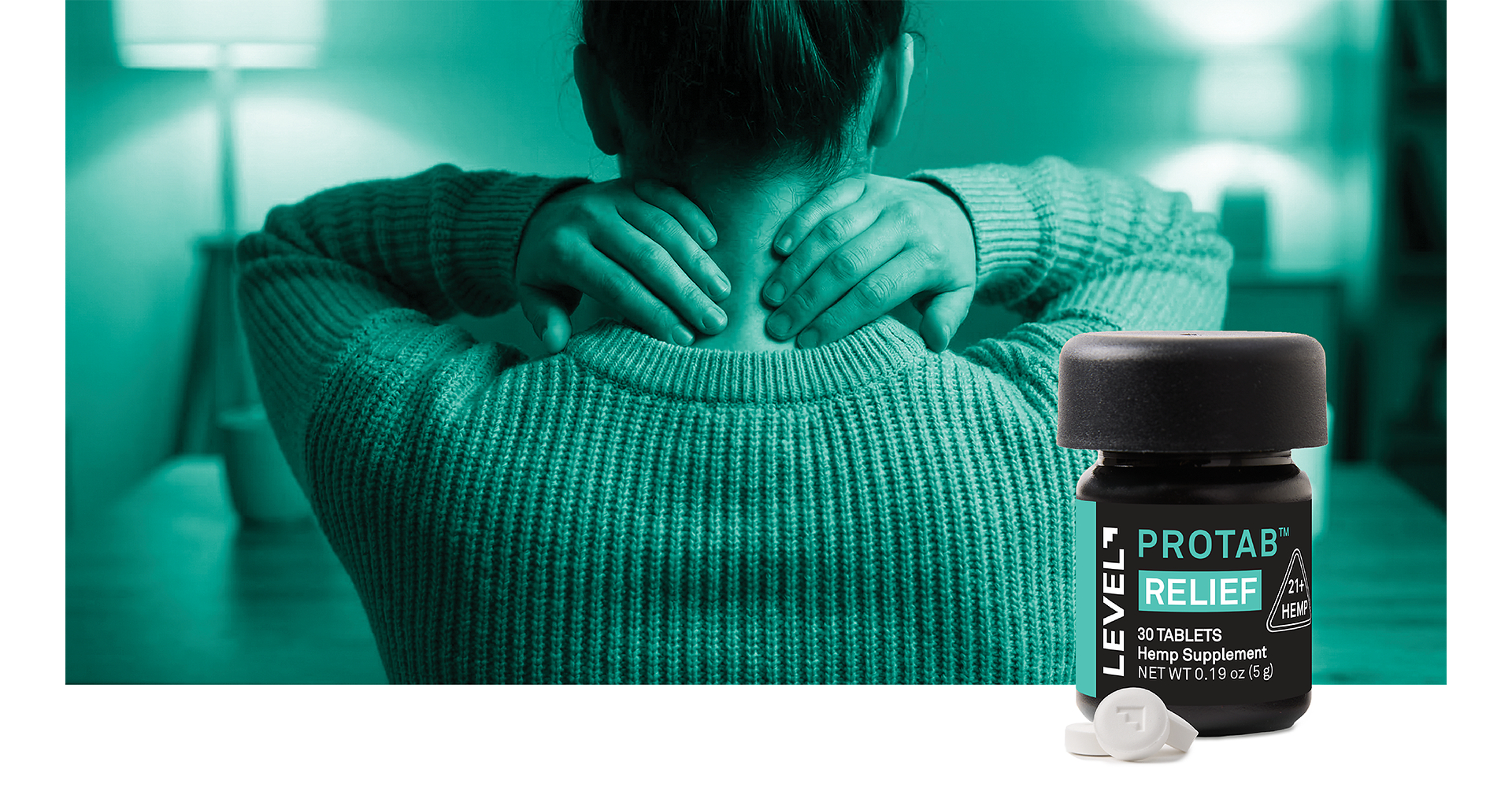
LEVEL reported that a 29-day observational study of 427 adults using its hemp-derived Relief Protab showed a 32% same-day reduction in self-reported pain scores, from 5.26 to 3.56 on a 0-10 scale. The probability of moderate-to-significant pain interference fell from 34% to 22%, while pain-related mood impact declined from 18% to 9%; 80% of participants said the product reduced daily pain. Results are supportive of product demand and differentiation, but the non-placebo-controlled, participant-reported study does not establish clinical efficacy.
Analysis
This is primarily a brand-conversion and customer-acquisition signal, not an investable clinical-validation event. A short, self-selected observational design can improve repeat purchase and reduce return rates, but it does not establish efficacy versus placebo or support a medical-claims pathway; therefore it should not change valuation frameworks for listed cannabis operators or pharmaceutical pain franchises.
The more relevant second-order issue is category segmentation: brands that can accumulate product-specific real-world evidence may gain share from undifferentiated hemp products as retailers, marketplaces, and consumers demand substantiation. That advantage remains difficult to monetize at scale while federal cannabinoid rules, state-by-state enforcement, and payment/distribution constraints limit national retail access. Any regulatory action that narrows intoxicating-hemp definitions could also sweep broadly across cannabinoid formulations regardless of their wellness positioning.
For public markets, the near-term read-through is neutral for TLRY, CGC, CRON and MSOS: their equity values remain driven by legalization timing, excise burdens, cash burn, and access to institutional capital rather than evidence from a private direct-to-consumer brand. Over 6-18 months, watch whether comparable brands disclose cohort retention, subscription penetration, gross margin, and wholesale doors; those metrics—not survey outcomes—would demonstrate whether research-backed positioning creates a durable premium category.
AllMind Terminal
AI-powered research, real-time alerts, and portfolio analytics for institutional investors.
Request TrialMarket Sentiment
Overall Sentiment
mildly positive
Sentiment Score
0.38
Key Decisions for Investors
- No directional trade on the release; LEVEL is private and the disclosed evidence does not provide a measurable earnings sensitivity for TLRY, CGC, CRON, or MSOS.
- Maintain any MSOS exposure as a regulatory optionality position rather than a consumer-wellness proxy; reassess on federal hemp-definition legislation or DEA/FDA action, which can move the addressable market within days while product adoption develops over quarters.
- Set a diligence alert on privately held cannabinoid brands for independently auditable repeat-order rates, CAC payback, wholesale velocity, and adverse-event disclosures over the next 1-3 months; absent these data, do not extrapolate reported user outcomes into revenue or margin assumptions.
- If hemp enforcement tightens, favor a relative long MSOS versus a basket of hemp/CBD-exposed OTC names only after confirming that the rule exempts state-licensed cannabis operators; the trade is invalidated if legislation broadens legal distribution rather than restricts it.
More News
- Taiwan benchmark Taiex rises to record intraday high as tech stocks advance
- AMD joins the $1 trillion club as chip rally surges - our AI Strategy saw it early
- +17% in a single session: This AI-picked stock catches a data-center breakout
- Perpetual underdog AMD nips at Nvidia's heels as it joins the $1T club
- Intel surges 12% as CPU stocks rally. Here's what's driving the move
- GRAIL Stock Bounces Back Above $100: Can Galleri Sail Through Its FDA Panel Review?
From AllMind Research
- Anthropic IPO Preview: Valuation, Timing, and What to Watch
- Shein After the IPO: Venue, Valuation, and What Must Be Proved
- What AI Research Tools Should a Small Hedge Fund Buy First?
- How to Evaluate AI Report Writers for Financial Analysis
- Weekly Update: Sector Analysis, Improvements on Research Data, and Performance Enhancements