
Eve Wellness Announces Expansion Bringing Direct-to-Consumer AI Breast Screening to Walnut Creek
Source: PR Newswire
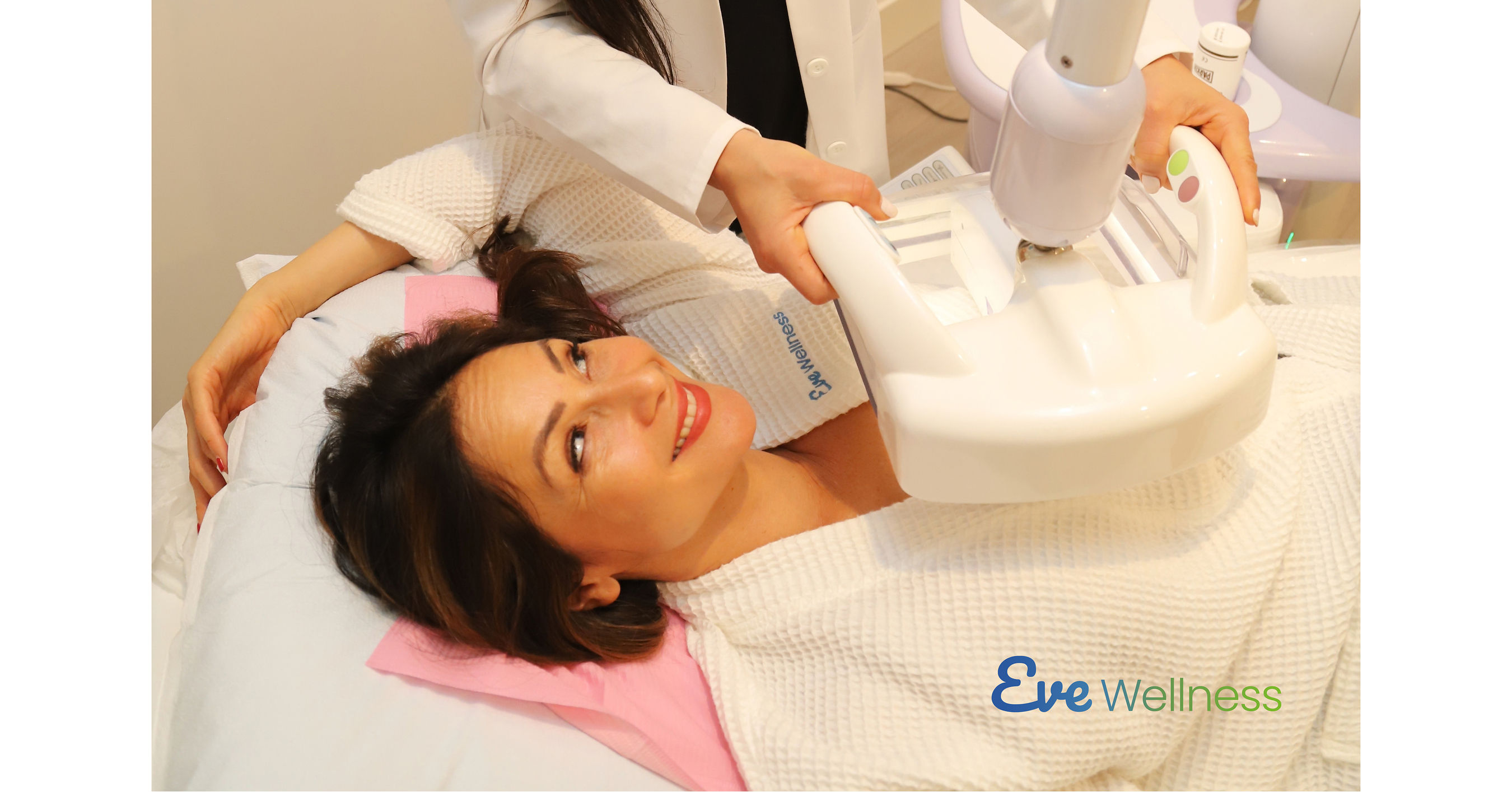
Eve Wellness will open its second Bay Area direct-to-consumer breast-screening clinic in Walnut Creek on October 15, offering physician-read 3D ultrasound supported by FDA-approved AI analysis for $349 and results within 48 hours. Since launching in San Francisco in October 2022, Eve has screened more than 4,000 patients; among patients reporting follow-up outcomes, 41 cancers were diagnosed, including 16 in women under 40. The expansion uses GE HealthCare's Invenia ABUS system and QView Medical's QVCAD AI, advancing Eve's plan to extend its referral-free screening model to additional U.S. cities.
Analysis
This is strategically constructive but financially immaterial for GEHC near term: a two-site customer deployment cannot alter its imaging segment revenue or valuation. The relevant signal is whether direct-to-consumer screening clinics become a repeatable channel for ABUS systems, creating incremental equipment placements, service contracts and replacement-cycle demand outside hospital capital-expenditure budgets. That pathway requires materially faster clinic rollout and evidence that customer acquisition costs remain below the roughly $349 cash-pay price point; neither is independently established here.
The more consequential 6-18 month implication is competitive positioning in dense-breast screening. If AI-supported ultrasound expands the supplemental-screening market, GEHC could gain a higher-value installed-base ecosystem advantage versus mammography-centered incumbents such as Hologic (HOLX) and Siemens Healthineers (SEMHF), but only if payers or employers begin reimbursing the workflow. The model also carries a hidden friction: positive scans shift patients into conventional diagnostic imaging, biopsy and oncology networks, so referral conversion, false-positive rates and radiologist capacity—not scan throughput—will determine clinic economics and adoption. Management claims regarding detection performance should not be extrapolated without prospective sensitivity, specificity and recall-rate data.
Consensus should not treat breast-cancer-awareness-month marketing or a single clinic opening as proof of an AI-imaging inflection. Near-term public-market upside is more likely to accrue only after GEHC identifies DTC or outpatient networks as a meaningful order category, or after coverage-policy changes widen reimbursement for supplemental screening. A reimbursement setback, elevated recall rates, or clinical evidence that AI does not reduce radiologist workload would cap system utilization and undermine the channel thesis.
AllMind Terminal
AI-powered research, real-time alerts, and portfolio analytics for institutional investors.
Request TrialMarket Sentiment
Overall Sentiment
moderately positive
Sentiment Score
0.42
Ticker Sentiment
Key Decisions for Investors
- No standalone GEHC trade on this announcement; maintain existing exposure and monitor the next two earnings calls for disclosed outpatient/ambulatory imaging order growth, ABUS placements, or AI-enabled recurring revenue. Absent evidence of a multi-site rollout, the revenue contribution is de minimis.
- Set a 3-6 month alert for commercial expansion beyond the Bay Area or a national clinic/payer partnership. A network commitment large enough to require 20+ systems would be a more investable GEHC demand signal than individual site launches.
- Watch HOLX and GEHC as a competitive screen rather than initiate a pair trade: supplemental-ultrasound adoption could modestly favor GEHC, while reimbursement expansion may enlarge the overall screening market rather than directly displace mammography. Reassess only if payer policy explicitly mandates or reimburses ultrasound-based dense-breast screening.
- Falsify any bullish GEHC channel thesis if management reports weak imaging equipment orders, the operator slows clinic additions after the initial launch period, or published real-world data show recall/false-positive rates that make downstream diagnostic costs unacceptable to payers.
More News
- Trump launches midterms campaign blitz amid record low approval ratings
- Nvidia Faces Questions Over China AI Chip Smuggling Cases
- Fed’s Cook sees AI buildup as top inflation risk for 2027
- The September jobs report will be released Friday. Here's what to expect
- U.S. stock futures drift higher with nonfarm payrolls in focus
- Broadcom to lend Anthropic up to $42 billion to lease its chips, filing says