
How to Care for Caregivers? NCCN Debuts Essential Guide for Supporting Loved Ones with Cancer
Source: PR Newswire
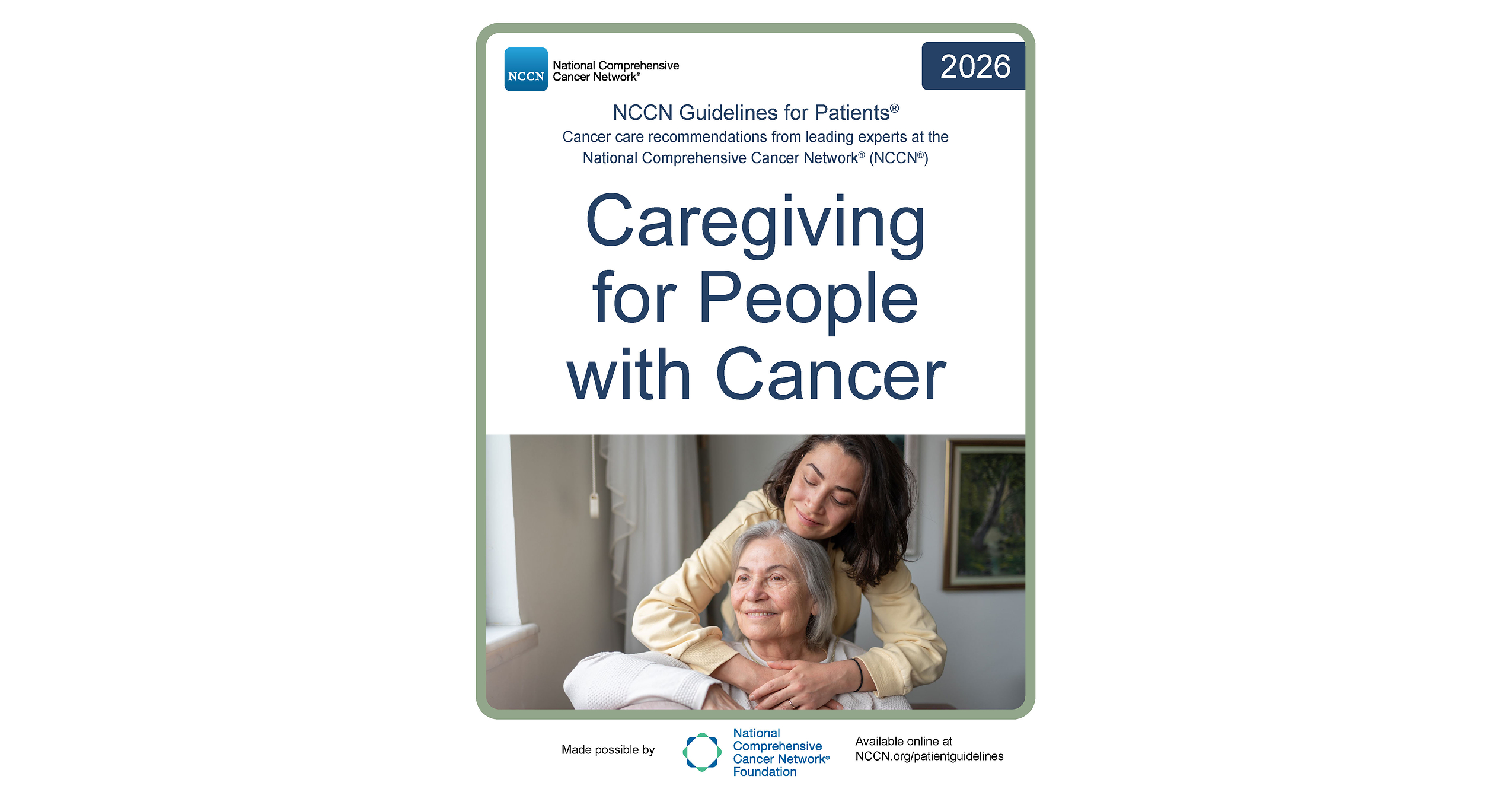
NCCN published its first patient guideline specifically for cancer caregivers, offering free guidance on emotional support, finances, household tasks, legal concerns, and medical management. The guide notes that at least 70% of caregivers balance jobs and other responsibilities, while 60% live separately from the person they care for; it also includes advice on caregiver wellbeing.
Analysis
This is a care-navigation and caregiver-support initiative, not a near-term commercial catalyst. The plausible economic channel is indirect: better-informed caregivers may support treatment adherence, symptom monitoring, and coordination, potentially reducing avoidable acute-care use and friction for oncology teams. Any benefit would accrue diffusely to providers and payers rather than to a clearly identifiable listed vendor; the guide is free, and the article gives no evidence of measurable utilization or outcome changes.
The more consequential signal is policy and care-model framing. Formal recognition of caregivers’ workload could strengthen the case for navigation, caregiver training, and family-centered services in oncology. Over 6–18 months, watch for reimbursement or policy changes and for health systems to fund such services—not merely publish resources. The December 2026 summit is a discussion catalyst, not itself an earnings catalyst; the 2027 webinar is even further out.
Contrarian read: easier access to guidance may improve care coordination, but can also shift more clinical and administrative work onto unpaid caregivers. Without funded support, this may not reduce provider costs and could worsen caregiver strain. No direct equity trade is justified on this announcement alone.
AllMind Terminal
AI-powered research, real-time alerts, and portfolio analytics for institutional investors.
Request TrialMarket Sentiment
Overall Sentiment
mildly positive
Sentiment Score
0.15
Key Decisions for Investors
- No position: the announcement has no clear listed-company revenue exposure, and the supplied company mapping contains no investable identities.
- Treat the December 2026 summit as a policy-monitoring event; revisit only if it leads to concrete caregiver-service reimbursement, public funding, or health-system contracting.
- Watch oncology providers and health plans for evidence that caregiver-navigation programs change adherence, avoidable utilization, or staffing costs; absent quantified outcomes, do not price in material earnings impact.
- Falsification of the constructive care-coordination thesis: subsequent evidence shows low resource uptake, no improvement in adherence or utilization, or support remains unfunded and shifts additional burden to families.
More News
- Artiva halts AlloNK development, cuts 94% of workforce
- Universal Health Services falls 3% on legal settlement concerns
- Midterm elections: How affordability and the economy could impact voters
- adar1 capital management buys $53,691 of NextCure stock
- Zura Bio shares jump on Wedbush buy call ahead of trial data
- Why is Artiva Biotherapeutics stock collapsing today?
From AllMind Research
- AllMind Platform Feature Updates - Fall 2026
- AI Credit Covenant Monitoring: From Clause to Review
- AI-Led Expert Interviews vs. Transcript Libraries
- Augmented Intelligence: AllMind, Elevate Human Judgement With an Accessible, Powerful, Data-Driven Financial AI Toolkit
- Choosing an AI Copilot for Equity Research