
Huawei Digital Power präsentiert auf der IDEE 2026 Lösungen für verschiedene Anwendungsszenarien mit den Schwerpunkten Netzbildung und KI
Source: PR Newswire
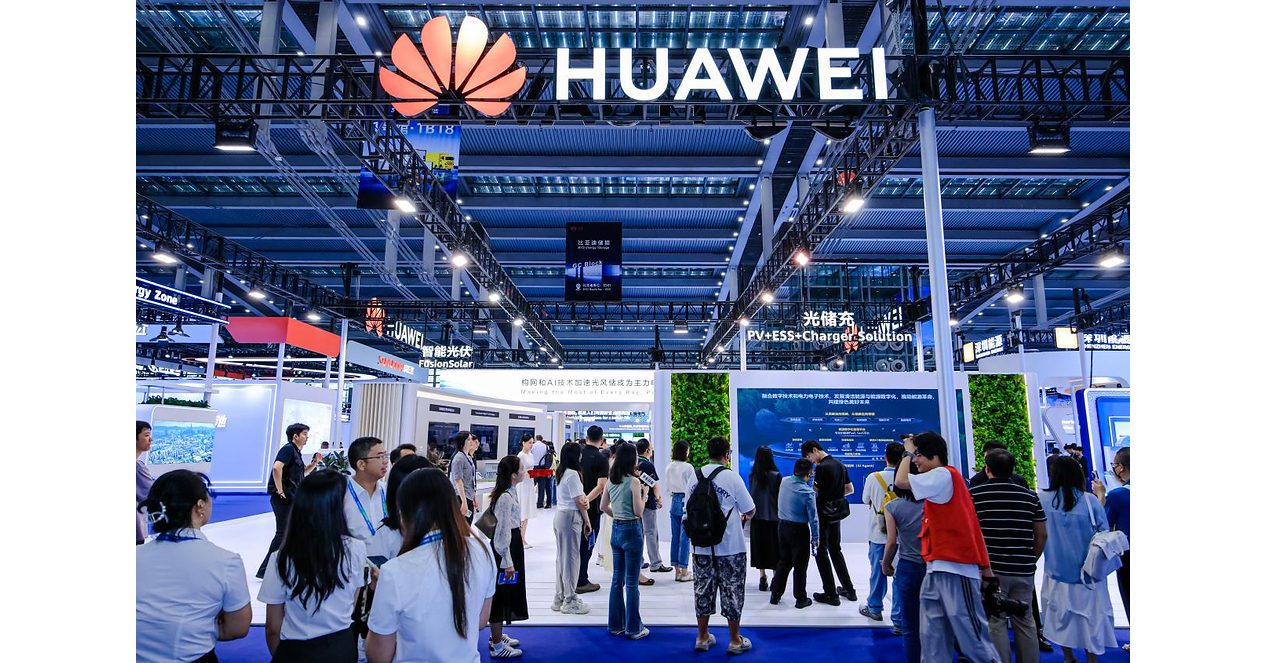
Huawei Digital Power präsentierte auf der IDEE 2026 neue „Netzbildung + KI“-Lösungen für Utility-PV, Energiespeicher, Mikronetze, gewerbliche Stromversorgung, Schnellladen und KI-Rechenzentren. Zu den hervorgehobenen Kennzahlen zählen ein 12,5-MW/50-MWh netzbildendes ESS, ein C&I-Speicher mit 91,8% Round-Trip-Wirkungsgrad und 100% Entladetiefe sowie KI-Planung für Ladenetze, die den Stationsumsatz um über 15% steigern soll. Die Meldung unterstreicht Huaweis Ausbau integrierter Energieinfrastruktur, enthält jedoch überwiegend Produkt- und Leistungsangaben ohne finanzielle Auswirkungen oder neue Auftragsvolumina.
Analysis
The investable implication is less a Huawei-specific revenue event than incremental validation that grid-forming inverters, storage controls and power-management software are becoming mandatory procurement criteria as renewable penetration rises. This shifts value from commodity PV modules toward system integration, grid services and long-duration service contracts; likely listed beneficiaries include Sungrow (300274 CH), Fluence (FLNC), Nextracker (NXT), Wärtsilä (WRT1V FH) and, selectively, Schneider Electric (SU FP). Pure-play cell suppliers remain structurally exposed if developers redirect capex toward interconnection, inverter and storage packages rather than adding standalone solar capacity.
Near term, this is not sufficient to trade: the release provides no bookings, pricing, third-party performance data or evidence of adoption outside Huawei's installed base. Over 1-3 months, watch utility tenders in weak-grid markets, storage attach-rate disclosures, and procurement specifications requiring black-start, synthetic inertia or grid-forming functionality. A sustained regulatory push for grid-stability requirements over 6-18 months would support higher software/service content and could expand valuation multiples for FLNC and NXT, while compressing the relative appeal of low-differentiation solar hardware.
The underappreciated second-order effect is on AI data-center power procurement. Grid-interactive architectures can make co-located storage economically more valuable by reducing peak-demand charges and improving interconnection utilization, which favors electrical-equipment vendors such as Eaton (ETN), Vertiv (VRT) and Schneider rather than GPU suppliers alone. The counterpoint is that claimed AI-driven operating gains are frequently not independently auditable; utility approval, safety certification and bankability—not product specifications—will determine commercial conversion.
Competitive risk is material: Chinese suppliers can accelerate feature parity and pricing pressure across the inverter/ESS stack, limiting margin capture even as volumes grow. The thesis is falsified if storage-system ASPs decline faster than service and controls revenue grows, or if grid operators continue to permit conventional grid-following equipment without imposing firming and stability obligations.
AllMind Terminal
AI-powered research, real-time alerts, and portfolio analytics for institutional investors.
Request TrialMarket Sentiment
Overall Sentiment
mildly positive
Sentiment Score
0.38
Key Decisions for Investors
- No immediate directional position on the release; create a 1-3 month tender watchlist for FLNC, NXT, ETN, VRT and SU FP, requiring disclosed grid-forming/storage order wins or raised service-revenue guidance before initiating exposure.
- For a 6-18 month structural expression, consider a small long ETN or SU FP / short TAN pair: electrical-control and grid-integration content should outperform commodity solar exposure if grid constraints become the capex bottleneck. Exit if TAN outperforms by 10% after a broad solar-policy catalyst without corresponding grid-equipment order growth.
- Use FLNC only as a catalyst-driven long after verification of backlog conversion and gross-margin stability; target a 2:1 reward/risk framework around the next earnings report, with thesis invalidated by another material project-margin charge or backlog decline.
- Monitor data-center developers' power and interconnection disclosures; if peak-power constraints drive incremental UPS/ESS procurement, add ETN or VRT on post-earnings pullbacks. Do not extrapolate product-level efficiency claims into estimates until customer capex and order data confirm adoption.
More News
- Iran vows 'painful' retaliation as Trump piles on pressure ahead of UN General Assembly meeting
- Oil falls as crude flows remain 'surprisingly strong'
- Trump & Xi to Meet Amidst Friction on Wars, Tech, Trade
- US Diesel Tops $6.50 a Gallon as Wars Worsen Global Fuels Crunch
- Here are the 3 big things we're watching in the stock market this week
- Tech leads shares higher in Asia, oil eases