
DELIVAN dévoilera ses modèles de série à l'IAA Transportation 2026
Source: PR Newswire
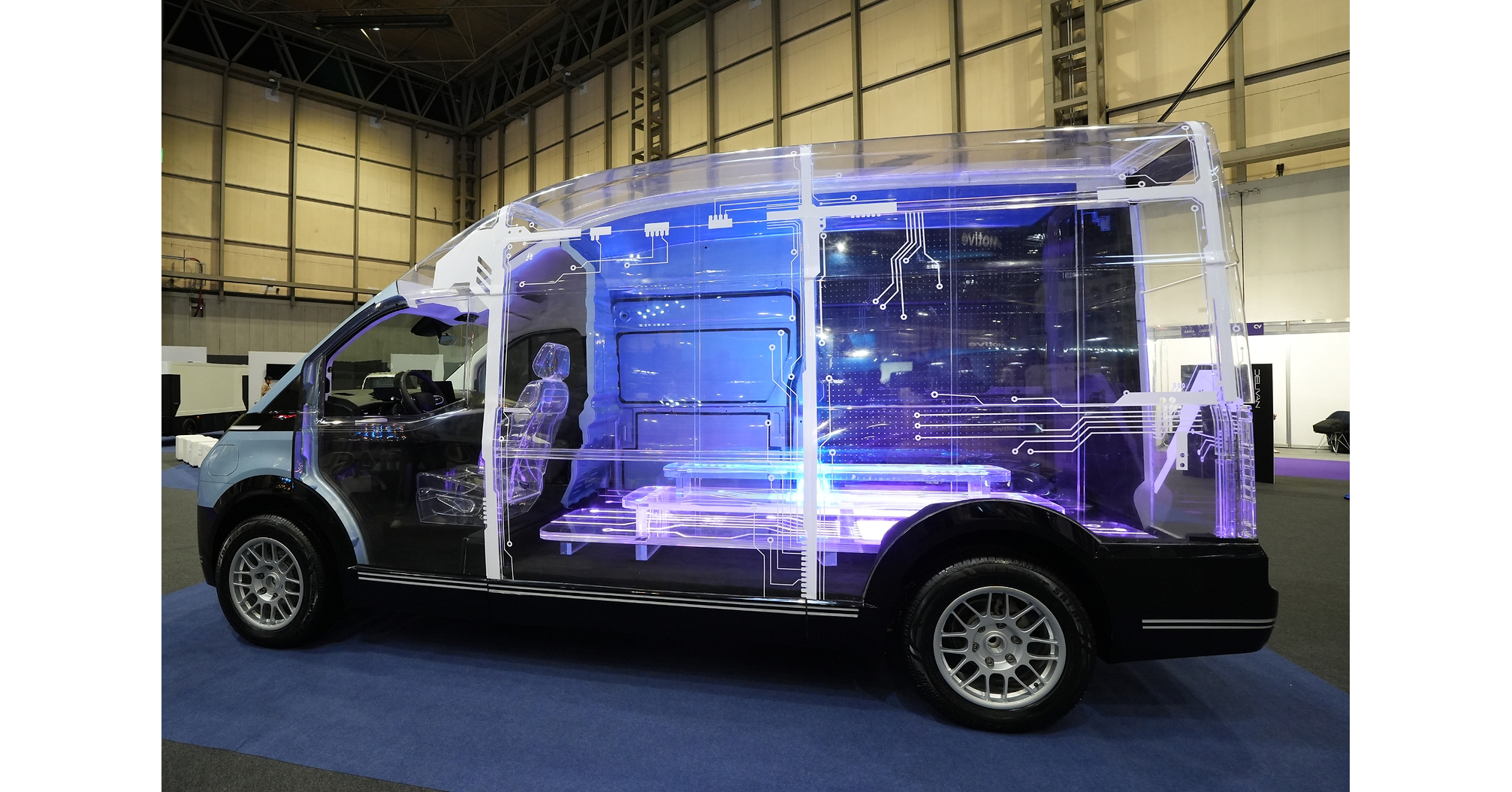
DELIVAN, nouvelle marque de véhicules utilitaires issue de Chery, présentera à l’IAA Transportation 2026 ses deux premiers utilitaires électriques de série (deux tailles) et quatre versions aménagées, complétés par l’offre écosystème DELIVAN PRO/X/I. La marque annonce des collaborations avec des partenaires européens de transformation (dont de nouveaux partenariats en Allemagne) et prévoit une entrée progressive sur le marché européen à partir de 2027. L’événement renforce la stratégie de localisation (siège européen à Liverpool, filiale allemande attendue en septembre) et élargit la proposition aux flottes via des technologies intelligentes (gestion, conversion, maintenance prédictive).
Analysis
This reads less like an earnings event and more like an early competitive signal in European light-commercial vehicles. The real issue is not whether one new entrant ships a van in 2027; it is whether incumbents in the Mercedes-Benz Vans / Stellantis Pro One / Ford Pro lane have to defend share with lower pricing or richer fleet software, which would pressure margins before unit share visibly moves. The most vulnerable layer is the “middle” of the value chain: converters, upfitters, telematics, and specialty-content suppliers that depend on platform standardization and recurring fleet service revenue.
Near term, the market should discount the announcement heavily because localization, homologation, service coverage, and residual-value proof are the gating items, not product reveal. The first real catalyst is not the salon itself but whether the company can translate the story into named European fleet accounts and German conversion partners over the next 1-3 months; without that, this is mostly option value. Over 6-18 months, the risk is incumbents preemptively discounting LCVs to protect share, which can compress industry-wide economics even if the newcomer remains small.
For CVGI, the read-through is indirect: if this platform spawns more conversion and electrical-content intensity, there is a potential content tailwind, but only if CVGI is actually embedded in the European supply chain. The contrarian view is that investors may overrate the “China EV threat” and underrate the harder problem—aftersales uptime and residuals—which usually favors established OEMs longer than headlines imply. The thesis is falsified if IAA yields no meaningful fleet orders, no German channel build-out, or if EU van demand softens enough that all players pivot to discounting rather than share expansion.
AllMind Terminal
AI-powered research, real-time alerts, and portfolio analytics for institutional investors.
Request TrialMarket Sentiment
Overall Sentiment
mildly positive
Sentiment Score
0.25
Ticker Sentiment
Key Decisions for Investors
- No immediate trade in CVGI: keep it on watch, and only get constructive if disclosed European upfit/content awards or backlog follow within 1-3 months.
- Set a tactical alert on STLA, VOW3, and MBGYY into and after IAA: if order conversion is thin, fade any strength because the likely impact is margin defense, not share capture.
- If DELIVAN announces credible fleet logos plus German converter contracts, consider a small relative-value long CVGI / short European van OEM basket; the payoff is better if the winner is content-heavy integration rather than base-vehicle volume.
- Watch Q4 commentary from Ford Pro and Stellantis Pro One for discounting language or lower residual assumptions; a 100-150 bps gross margin guide-down would validate the competitive pressure thesis.
- Do not buy the stock story on the press release alone; wait for independent evidence of purchase orders, service network density, and warranty terms before taking risk.
More News
- Copper is outshining gold this year. Investors say the rally can survive an AI correction
- 'Cannot play hide and seek': Singapore minister's warning over haze sends agricultural stocks lower
- BlackRock, GIC among investors chasing Indian telecom major Jio's IPO as anchor bids top $26 billion
- Nscale, Anthropic Eye $45 Billion Cloud Deal as AI Trade Rebounds
- Volkswagen bet on Xpeng to save its China business. It’s not going to plan
- Gartner analyst behind tech rout: AI returns are not yet large enough to justify neocloud build-out
From AllMind Research
- Anthropic IPO Preview: Valuation, Timing, and What to Watch
- Shein After the IPO: Venue, Valuation, and What Must Be Proved
- What AI Research Tools Should a Small Hedge Fund Buy First?
- Palantir (PLTR) Q4 2025 Earnings: 70% Revenue Growth, Then an 11% Single-Day Crash
- AlphaSense Pricing: What Public Contract Data Shows in 2026