
Создание базовой сети со встроенным ИИ для нового поколения сервисов на базе ИИ-агентов
Source: PR Newswire
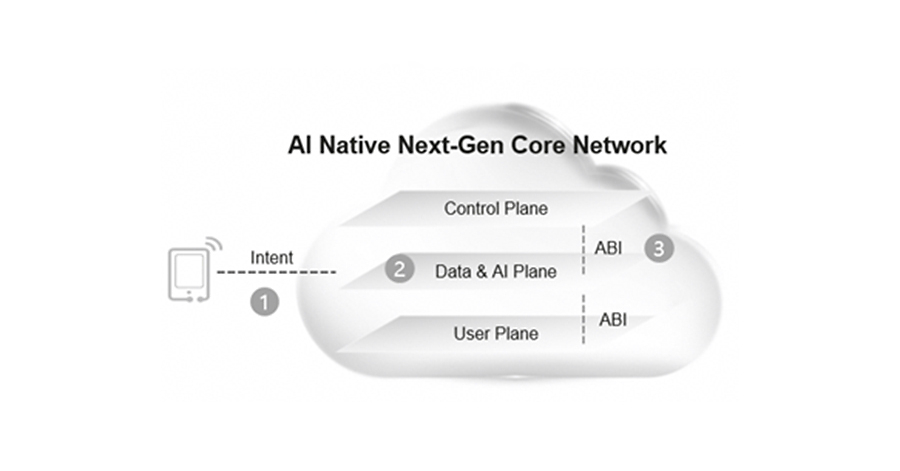
Huawei outlined an AI-native mobile core network architecture for agent-based services, including low-latency Agent over New Radio, shared wide-area computing, and secure coordination among AI agents. The company cited its Intelligent World 2035 report, which estimates that the number of AI agents could reach 900 billion by 2035; this is a technology vision and forecast, not a financial result or announced commercial deployment.
Analysis
This is a roadmap, not evidence of funded deployments. The investable question is whether AI-agent traffic creates a new, monetizable network product—or merely more traffic that operators carry at low incremental pricing. Intent-based interfaces and network-managed compute could let carriers charge for latency, task completion, identity, or orchestration, improving returns on existing infrastructure. But value capture may accrue to cloud and agent platforms that own customers and workloads; operators risk becoming the low-margin transport and access layer.
The compute-sharing thesis cuts both ways: pooling workloads can raise utilization, but it may also route demand to hyperscaler infrastructure rather than carrier-owned edge capacity. Ericsson and Nokia could benefit if operators translate the architecture into core-network upgrades; the press release provides no orders, standards commitment, or capex evidence. Huawei’s very large agent forecast is a scenario, not a demand signal.
Near term, limited earnings relevance. Over 1–3 months, look for operator capex guidance, paid pilots, standards work, and vendor order commentary. Over 6–18 months, interoperability and data-sovereignty rules will determine whether cross-domain agent routing scales; geopolitical fragmentation could prevent a common architecture. The contrarian point: AI traffic growth alone does not prove network vendors or carriers can monetize it.
AllMind Terminal
AI-powered research, real-time alerts, and portfolio analytics for institutional investors.
Request TrialMarket Sentiment
Overall Sentiment
mildly positive
Sentiment Score
0.20
Key Decisions for Investors
- No immediate thematic trade on this announcement. Treat it as a long-dated architecture signal, not a revenue catalyst; do not extrapolate Huawei’s agent forecast into carrier earnings.
- Watch Ericsson and Nokia for core-network orders, disclosed AI-network pilots that convert to commercial contracts, and evidence of incremental software or service revenue. Consider exposure only after such confirmation; falsify the thesis if operator capex guidance remains flat or pilots fail to convert over the next 1–3 months.
- Track carrier monetization—not traffic volume alone: paid latency/QoS tiers, compute-service revenue, or task-based pricing would support the upside case. If operators report rising AI traffic without better unit economics, the likely beneficiaries are platforms and compute providers rather than connectivity providers.
- Monitor standards and cross-border interoperability over 6–18 months. Fragmented protocols, security incidents, or restrictions on Huawei-related infrastructure could delay deployment and weaken the case for a broad network-equipment rerating.
More News
- Why did CoreWeave stock get crushed this week? Look to this corner of the debt market for clues
- AI stock sell-off ramps up over debt-fueled data center spending fears: ‘Full-blown crisis of confidence'
- Dow falls 189 points as AI stocks slide and oil prices surge
- Wall Street Anxiety Spreads as AI Rout Meets $110 Oil Shock
- Wall Street's fear gauge is ripping. Traders see it going even higher
- All the news about the iPhone Duo