
PepsiCo stock seen slipping further after earnings
Source: invezz.com
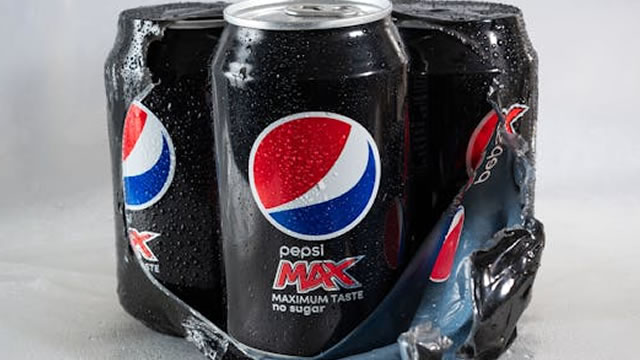
PepsiCo shares have been in a major downtrend in 2026, and derivatives-market positioning suggests investors expect little relief from the company's October 8 earnings. Consensus calls for EPS of $2.29 on nearly $25 billion in revenue, implying about 4.2% year-over-year revenue growth.
Analysis
The key earnings variable is whether volume and product mix can support growth without leaning harder on price. If consumers are trading down or reducing purchases, continued price increases may preserve near-term sales while worsening the volume base and retailer negotiations—leaving margins and the durability of growth less secure than headline revenue suggests. That would pressure PEP’s quality-staple multiple, not just estimates. Conversely, stable volumes would challenge the bearish positioning implied by the article’s description of derivatives sentiment.
The options signal is not enough to establish an attractive short: no implied move, skew, or contract pricing is provided, so event premium and downside already priced are unknown. Near term, guidance on volumes, pricing, and promotional intensity matters more than a small EPS beat or miss. Over 1–3 months, retailer and category data can validate whether demand is stabilizing; over 6–18 months, sustained volume weakness would raise the risk that promotional spending is needed to defend share. Coca-Cola and private-label offerings are relevant competitive checks, but this article does not establish a direct share shift.
Contrarian risk: a cautious setup can make a merely non-worsening outlook enough for a relief move. Treat the bearish read as a catalyst to verify, not a standalone signal.
AllMind Terminal
AI-powered research, real-time alerts, and portfolio analytics for institutional investors.
Request TrialMarket Sentiment
Overall Sentiment
mildly negative
Sentiment Score
-0.25
Ticker Sentiment
Key Decisions for Investors
- Avoid initiating an unhedged short solely on the reported derivatives sentiment ahead of October 8; first check PEP implied move, put skew, and event-option cost against the downside you are underwriting.
- After the release, consider a tactical short or bearish put spread only if management signals weakening volume, heavier promotions, or softer forward growth. Define risk at the option premium for a spread; do not pay up for protection if implied volatility already embeds a large move.
- If volumes are stable and guidance does not deteriorate, cover or avoid the short thesis: a relief rally is plausible even without a material estimate upgrade.
- Track subsequent retailer/category data and PEP’s volume-versus-price disclosures over the next 1–3 months. Persistent volume deterioration would strengthen the medium-term multiple-compression thesis; improving volumes would falsify it.
More News
- New data strengthens our faith in a TJX comeback. Plus, the Nvidia-Microsoft PC is here
- Nextdoor is betting neighborly gossip can give it an advertising edge
- Stock futures are little changed after S&P 500 retreats from record: Live updates
- Asia shares subdued, bonds swamped by AI debt wave
- Levi Strauss hikes profit guidance after tariff refunds, but its sales outlook is less optimistic
- Weston Family, Fairfax Financial’s Watsa Acquire Boots in $8.9 Billion Deal
From AllMind Research
- Anthropic IPO Preview: Valuation, Timing, and What to Watch
- Shein After the IPO: Venue, Valuation, and What Must Be Proved
- What AI Research Tools Should a Small Hedge Fund Buy First?
- Weekly Update: AI-Powered Report Editing, Investor Relations, and Enhanced Search
- Automating Financial Model Updates: A Source-Controlled Workflow