
BLUETTI представляет электрогенератор Pioneer 5000 на выставке IFA 2026
Source: PR Newswire
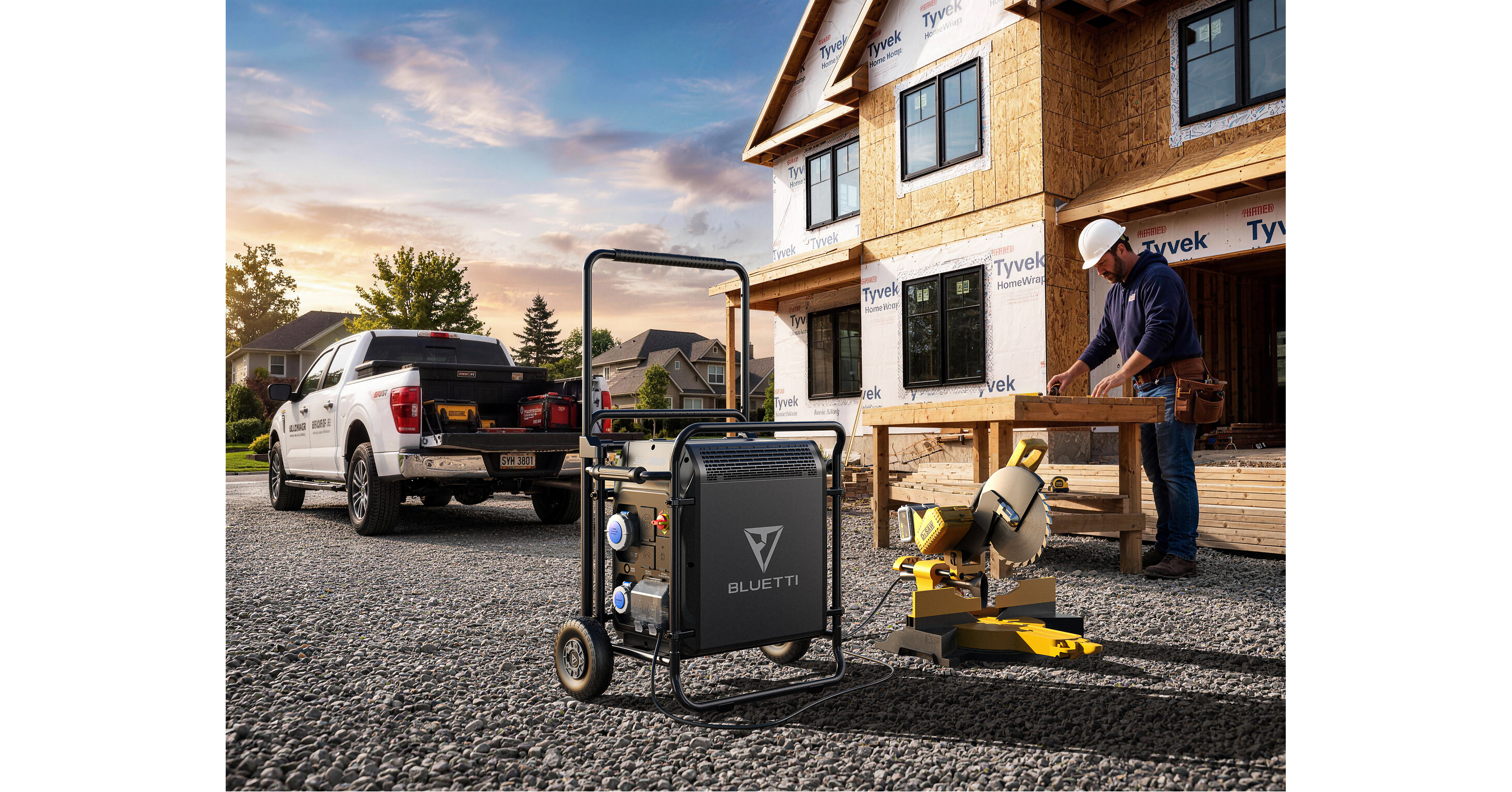
BLUETTI представила на IFA 2026 генератор Pioneer 5000 для профессиональных площадок с постоянной мощностью 5 кВт и пиковой 18 кВт, емкостью LiFePO4 5,12 кВт•ч (расширение до 35 кВт•ч) и защитой IP65/ударопрочностью IK10. Заявлены низкие эксплуатационные ограничения: уровень шума до 50 дБ, отсутствие прямых выхлопных выбросов, быстрая зарядка от сети 5–80% за 60 минут и опциональная связь 4G для удаленного мониторинга. Новость в целом позитивна как продуктовый релиз, но носит промо-формат и, вероятно, ограниченно влияет на котировки.
Analysis
This is an incremental signal for jobsite electrification, but not yet a cash-flow event for public markets. The important mechanism is not consumer demand for another battery box; it is whether contractors and rental fleets start treating quiet, zero-local-emission power as a standard utility in indoor, nighttime, and permit-constrained work. If that happens, the first budgets to move are small-engine service, fuel handling, and low-end portable generator replacement, while the main beneficiaries are inverter/power-electronics suppliers and rental channels that can amortize the higher upfront cost.
Near term, I would not fade the entire generator complex. The constraints are operational, not marketing: recharge logistics, duty-cycle durability, cold-weather capacity loss, and asset utilization matter more than peak wattage claims. That means the displacement curve is likely slow and uneven over 1-3 quarters, with the biggest risk to gasoline portable generator volume rather than diesel standby or heavy-duty industrial power. For listed names, Generac is better positioned than the market may assume because it already has a battery/storage footprint; the cleaner short thesis would be on any OEM with high exposure to commodity small-engine replacement and weak battery optionality.
The contrarian view is that the market may overestimate substitution and underappreciate market expansion. Battery generators can create demand where generators were previously unusable due to noise or emissions rules, which makes the first-order effect more additive than destructive. The thesis would be falsified if rental fleet pilots stall, if contractors report that runtime and recharge economics are inferior in real work cycles, or if regulatory adoption remains limited to niche indoor/municipal projects over the next 6-18 months.
AllMind Terminal
AI-powered research, real-time alerts, and portfolio analytics for institutional investors.
Request TrialMarket Sentiment
Overall Sentiment
mildly positive
Sentiment Score
0.25
Key Decisions for Investors
- No immediate trade in BLUETTI-related equities; treat this as a thematic watch item until channel checks show rental fleet adoption or contractor spec-in over the next 1-2 quarters.
- Small starter long GNRC vs. short CMI only if upcoming earnings or distributor checks show battery-powered portable share gains in noise-sensitive/indoor jobsite applications; target 1-3 month catalyst window, stop if GNRC portable mix does not improve.
- Add URI to the watchlist for a 6-12 month long bias: rental fleets are best positioned to monetize quiet, low-maintenance power where utilization matters more than sticker price; thesis fails if management says battery jobsite power is still negligible.
- Do not short the fuel or engine complex on this headline alone; wait for evidence that recharge infrastructure and duty-cycle performance are sufficient to displace combustion units in actual field usage.
More News
- Indonesian stocks plunge to six-year low as MSCI downgrade fears mount
- Putin reportedly suggests summit with Trump and Xi to decide fate of Ukraine
- Ukraine launches over 1,000 drones at Russia, setting oil facilities ablaze
- China's CXMT sees shares drop over 6% as investors look past chipmaker's profit turnaround
- Trump defends Russian sanctions relief, lashes out at Zelenskyy
- China’s Coal Output Drops as Concerns Build Over Winter Supply