
Samyang Corporation to Participate in SupplySide Global 2026, Strengthening Sugar Reduction Solutions and Dietary Fiber Portfolio
Source: PR Newswire
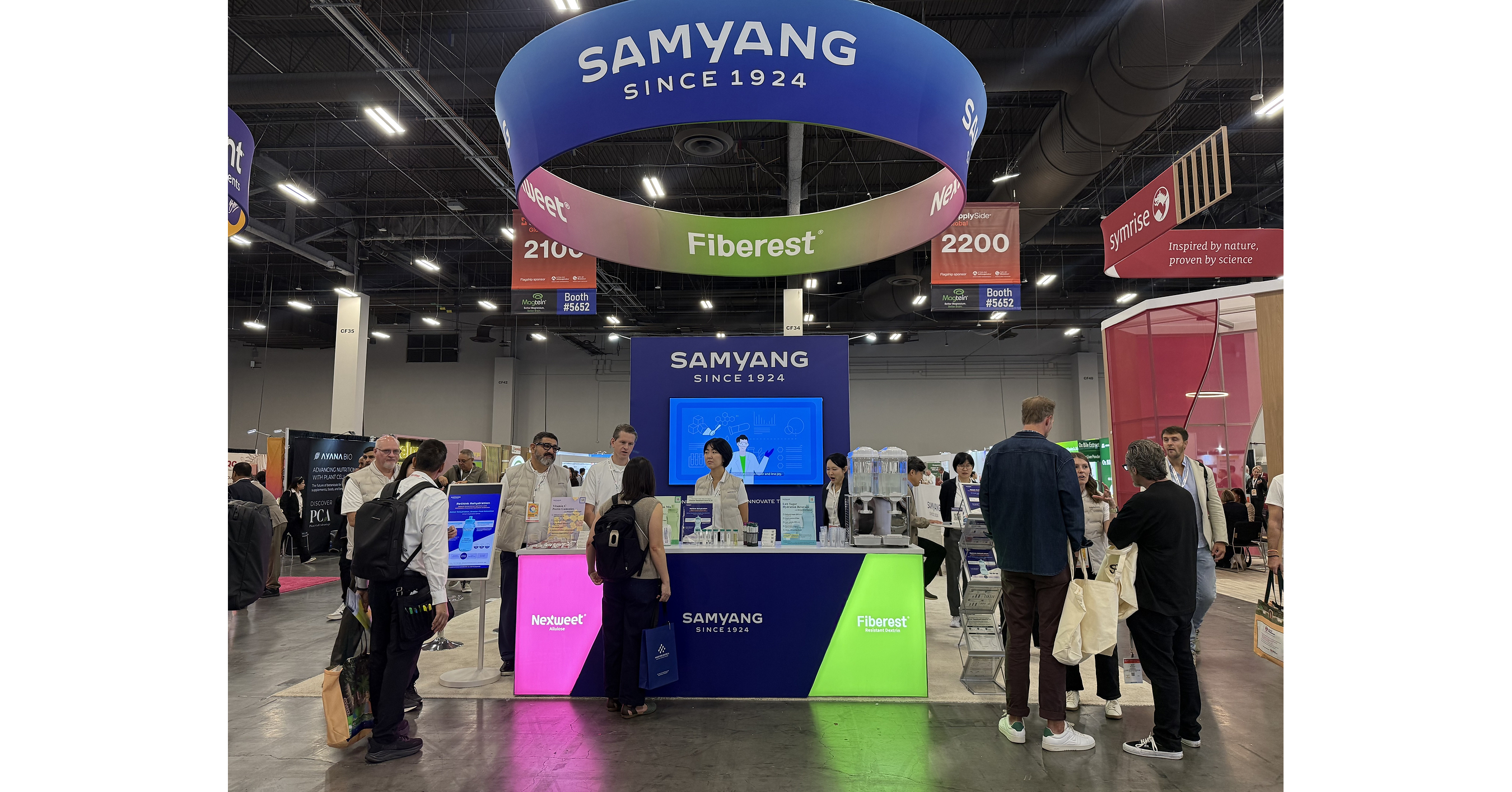
Samyang Corporation introduced tapioca-based resistant dextrin to the North American market at SupplySide Global 2026, adding an alternative to its existing corn-based fiber lineup. The company also showcased kestose and allulose-based sugar-reduction applications, including beverages and gummies, but provided no sales or financial outlook figures.
Analysis
This is portfolio expansion, not evidence of a revenue inflection. The economic test is whether Samyang converts product tastings into customer qualification and repeat orders: food-ingredient reformulations can take months, so any commercial benefit is more likely a 1–3 quarter story than an immediate catalyst. A tapioca option may help customers diversify away from corn-derived ingredients, but it also introduces a different feedstock exposure; the article gives no sourcing, cost, capacity, pricing, or customer-commitment data to establish a margin advantage.
The competitive implication is incremental pressure on established sweetener and fiber suppliers such as Tate & Lyle and Ingredion if Samyang wins formulations, but substitution depends on performance, supply reliability, and customer approvals—not booth interest. Downstream food and beverage brands could gain flexibility to reduce sugar or add fiber, although taste, texture, labeling, and substantiation requirements can limit adoption. The principal near-term risk is mistaking promotional claims for validated demand; health-benefit claims and North American regulatory/labeling requirements should be verified independently.
Contrarian read: the product breadth may improve customer access, but it does not yet demonstrate a defensible moat or meaningful consolidated earnings impact. No standalone trade is justified on this release. Reassess over 6–18 months if Samyang discloses customer wins, capacity or sales investment, and measurable specialty-ingredient growth. Thesis weakens if follow-up disclosures show no commercialization or if customers reject the ingredients on cost or formulation performance.
AllMind Terminal
AI-powered research, real-time alerts, and portfolio analytics for institutional investors.
Request TrialMarket Sentiment
Overall Sentiment
mildly positive
Sentiment Score
0.20
Key Decisions for Investors
- No immediate position: treat this as a commercial-intent signal, not a fundamentals catalyst. Company identity/ticker mapping and segment-level financial exposure are not supplied, so avoid assigning a public-equity trade to Samyang.
- Set a 1–3 quarter watch: look for named customer qualifications, repeat orders, North American distribution, capacity commitments, or specialty-ingredient revenue commentary. Without those, do not extrapolate expo interest into earnings.
- Monitor Tate & Lyle and Ingredion only for evidence of competitive displacement in relevant ingredient lines; this release alone is insufficient to justify a pair trade. Revisit if Samyang wins disclosed formulations or incumbents report pricing or volume pressure.
- Falsifiers and key diligence: no commercialization evidence over the next 6–18 months; unfavorable cost or performance versus alternatives; or regulatory/labeling constraints that limit sugar-reduction and fiber claims. Verify ingredient approvals, customer economics, and supply capacity before upgrading the thesis.
More News
- Stocks slump, bonds leap as AI giants’ spending spooks investors
- DoorDash offers $17 billion for Instacart: ‘the largest companies are only eating more and more of the pie’
- Alphabet Erases $500 Billion as ChatGPT, Google AI Cut into Search
- Alphabet’s stock has worst day in over 20 years, dragging the S&P 500 to first loss in four days
- PC chip plunge wipes out a quarter of Intel’s value
- Alphabet just had its worst day as a public company. BofA now values Google search at a lower multiple than fossil fuel stocks