
The Atlantic Just Set a Record for Its Latest First Hurricane Ever. FixMold Miami Shares a South Florida Storm-Prep Checklist
Source: PRWeb
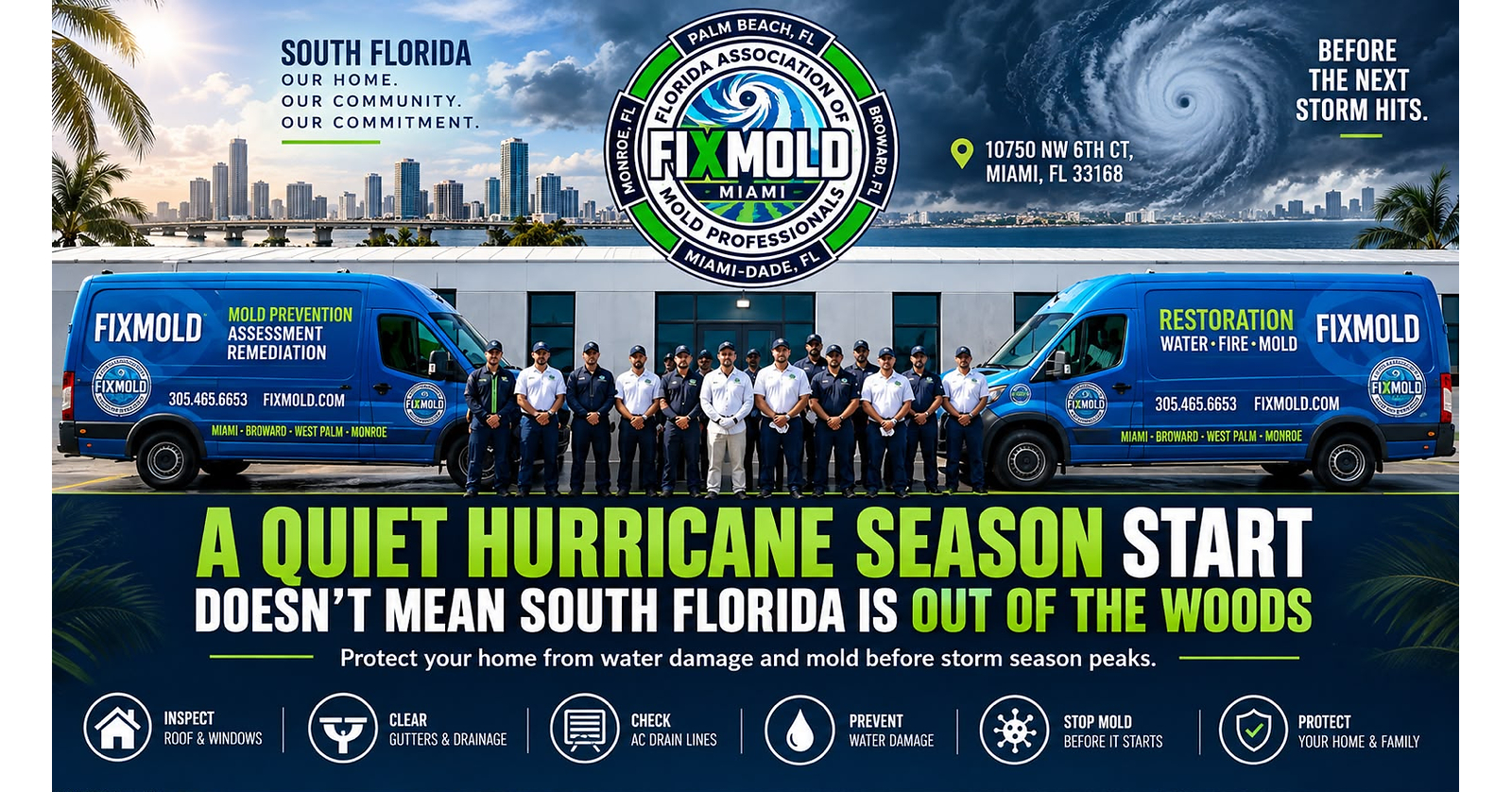
The Atlantic’s first hurricane of the 2026 season has yet to form, the latest such occurrence in the satellite era; five named storms have remained below hurricane strength. FixMold Miami uses the lull to advise South Florida homeowners to inspect water-entry points and dry any intrusion within 48 hours where possible to reduce mold risk. The article is primarily a localized service-company preparedness release and is unlikely to have material market impact.
Analysis
This is not a weather-loss signal; it is a low-severity demand read-through for South Florida home-services discovery. A prolonged absence of major insured events suppresses emergency remediation, roofing, restoration and contractor leads, but can modestly shift spend toward discretionary preventive maintenance. That mix is less valuable to lead-generation platforms than catastrophe-driven demand because emergency jobs carry higher conversion urgency and typically higher customer-acquisition willingness.
YELP has no clean earnings sensitivity to one regional service category, and the cited private operator's promotional claims are not independently investable evidence. The relevant near-term variable is whether late-season storm activity generates localized service-intent searches in Miami/Fort Lauderdale, rather than the number of named systems. Over 1-3 months, a major Florida landfall would likely create a temporary uplift in high-intent local-services traffic for Yelp, Angi (ANGI), Thumbtack/private, restoration franchises and public building-products distributors; absent that catalyst, no material revision to YELP revenue estimates is warranted.
The contrarian point is that a quiet season can be modestly positive for insurers such as HCI, UVE and Citizens-linked reinsurance risk, but only if it remains quiet through the peak-loss window; catastrophe-model uncertainty is highly nonlinear and a single late landfall can overwhelm accumulated favorable experience. For home-improvement retailers HD and LOW, preventive repairs are too geographically concentrated and too small-ticket to offset broader housing-turnover and big-ticket renovation headwinds. Treat the release as marketing activity, not a fundamental catalyst.
AllMind Terminal
AI-powered research, real-time alerts, and portfolio analytics for institutional investors.
Request TrialMarket Sentiment
Overall Sentiment
neutral
Sentiment Score
-0.05
Key Decisions for Investors
- No standalone YELP trade: require evidence of a sustained increase in Local Services revenue growth, paid leads, or Florida service-search traffic before attributing any earnings impact; reassess at the next quarterly print.
- Maintain a weather-risk watchlist rather than pre-positioning: a Florida landfall within the next 6-10 weeks would be a tactical positive for YELP and ANGI demand indicators, but the more direct public expressions are restoration/building-material distributors such as BLDR and roof-supply names such as BECN.
- For property-insurance exposure, retain upside-tail hedges through November: long HCI/UVE performance from low catastrophe losses can reverse abruptly after one severe landfall; falsification is a storm track entering Florida insured-value corridors or a meaningful reinsurance-loss estimate.
- Avoid extrapolating preventive-maintenance messaging into HD/LOW estimates. Consider those names only on housing and renovation data; a regional maintenance bump is unlikely to move consolidated same-store sales or margins.
More News
- Snap shares fall over 10% on third-quarter earnings miss
- HelloFresh Q3 core profit tops forecasts as marketing cuts hit orders
- JPMorgan raises McDonald’s stock price target to $270 on modernization
- REA Group shares rally on strong Q1 revenue
- Cramer: What must happen for Home Depot to keep its 25% monthlong rally going
- MercadoLibre falls on earnings miss, margin pressure