
Thailand Serves Up Soft Power With Tilapia for Finance Elite
Source: Bloomberg
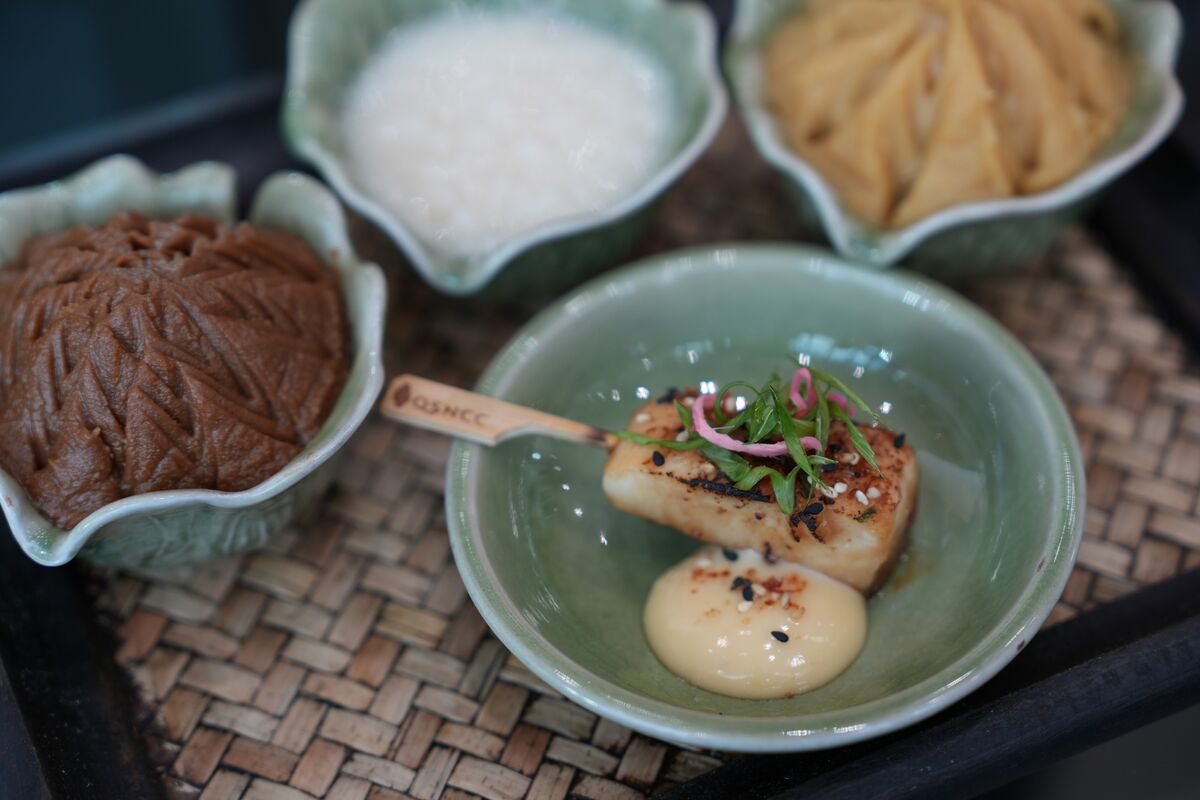
Thailand is hosting the IMF and World Bank annual meetings in Bangkok next week for the first time since 1991, welcoming more than 15,000 delegates from 191 countries. The country is using the event—including its food and cultural programming, such as tilapia finger food—to showcase Thai culture and build soft power; the article reports no direct market or policy implications.
Analysis
The investable signal is not the catering; it is whether high-profile convening converts into durable investor attention. A successful event could modestly improve Thailand’s visibility with executives and policymakers, but that is not equivalent to new FDI, tourism bookings, or better earnings. The relevant transmission channels are delayed: investment mandates and project approvals over months, and visitor demand over subsequent booking seasons. Any immediate move in Thai assets is more likely to reflect positioning or event optics than a change in cash flows.
Potential beneficiaries are Thailand-exposed tourism, hospitality, aviation, and food-service businesses, but the event’s scale alone does not establish material revenue exposure. Local aquaculture or tilapia suppliers are an especially weak read-through without evidence of procurement volumes or repeat demand. Regional peers may compete for the same investment and visitor flows; an image-building event does not create an advantage unless it is followed by credible policy execution and commercially relevant commitments.
The contrarian point is that soft-power coverage can overstate economic impact: delegates’ impressions are transient, while investors price regulatory predictability, growth, and returns. Conversely, if meetings produce verifiable investment announcements, markets may initially underprice the longer lead time to project spending. No direct trade is warranted from this article alone. Reassess on disclosed commitments, tourism booking data, or policy follow-through; the thesis weakens if the event produces publicity but no measurable conversion.
AllMind Terminal
AI-powered research, real-time alerts, and portfolio analytics for institutional investors.
Request TrialMarket Sentiment
Overall Sentiment
neutral
Sentiment Score
0.10
Key Decisions for Investors
- No event-driven position in Thai equities or the baht based on this article alone; avoid treating visibility as earnings guidance.
- Put Thailand-exposed tourism, hospitality, and aviation sectors on a watchlist for booking trends and company commentary over the next 1–3 months; require evidence of incremental demand before adding exposure.
- Track any post-meeting FDI commitments and subsequent approvals or project timelines. Treat announcements without funded projects or execution milestones as promotional, not as a catalyst.
- Falsification check: if tourism bookings and investment indicators show no improvement after the event, disregard the soft-power thesis; if credible commitments translate into approvals and spending, revisit the medium-term exposure.
More News
- ‘Indentured servants’: US green card move will hit thousands of IT workers
- Ukraine pushes Russia back in Donetsk as military, civilian casualties soar
- France’s Bond Risk Is Outpacing Italy’s by Most in Euro History
- China’s tax crackdown piles pressure on luxury brands as US spending falters
- How October 7 changed Lebanon and Hezbollah’s political reality
- Proxy Wars Threaten to Engulf Ethiopia
From AllMind Research
- Anthropic IPO Preview: Valuation, Timing, and What to Watch
- Shein After the IPO: Venue, Valuation, and What Must Be Proved
- What AI Research Tools Should a Small Hedge Fund Buy First?
- How to Evaluate AI Report Writers for Financial Analysis
- Weekly Update: Sector Analysis, Improvements on Research Data, and Performance Enhancements