
IPG Highlights Long-Term Responsibility and Continuous Improvement in 2025 Annual Sustainability Report
Source: globenewswire.com
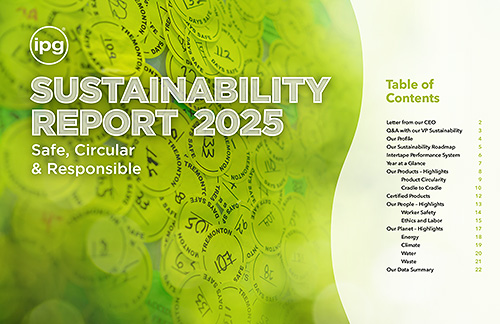
IPG issued its 2025 sustainability report, titled “Safe, Circular and Responsible,” describing how it integrates sustainability across its packaging and protective-solutions business. The company says these efforts support customers and communities, strengthen resilient and profitable growth, and advance commitments to its people and the planet; no quantitative targets or results were provided.
Analysis
This is a disclosure event, not evidence of a change in cash flows. Without quantified emissions, recycled-content, cost, capex, or customer-retention data, the report does not support a near-term earnings or valuation revision. The plausible upside is indirect: credible, auditable progress could help IPG retain packaging customers facing their own procurement and reporting requirements. Conversely, sustainability commitments can raise input or conversion costs if they require material substitution or process investment without customer willingness to pay. That creates a potential margin-versus-volume trade-off, not an automatic competitive advantage. Packaging peers could face similar customer demands, so any benefit depends on relative performance and verifiability rather than broad ESG positioning. In the next 1–3 months, look for customer wins, quantified targets, and spending disclosures; over 6–18 months, assess whether reported improvements translate into lower material use, operating costs, or defensible pricing. The key contrarian point is that positive sustainability language may be priced as reputational progress while leaving the economically relevant questions unanswered. No trade is warranted on this release alone.
AllMind Terminal
AI-powered research, real-time alerts, and portfolio analytics for institutional investors.
Request TrialMarket Sentiment
Overall Sentiment
mildly positive
Sentiment Score
0.15
Key Decisions for Investors
- No directional position based solely on the report; treat it as low-impact corporate disclosure rather than an earnings catalyst.
- Monitor future filings and customer announcements for quantified, independently verifiable metrics: recycled or lower-impact material use, emissions intensity, related capex, and evidence of customer retention or pricing.
- Reassess the thesis if management discloses material implementation costs without corresponding customer acceptance, or if measurable efficiency gains and commercial wins emerge.
More News
- Wall Street Week | Michigan Manufacturing, AI Debt Investments, Baby Bonds, Canadian Coal Fight
- Droughts and Data Centers Add Urgency to Push for Water Reuse Investment
- AI might ‘kill us all.’ That’s still a savvy sales pitch
- New Trump rules will make it harder for farmers to access US funds for energy projects
- Bloomberg Wall Street Week: October 9th, 2026 (Podcast)
- Danu Robotics’ fight to build a better recycling robot
From AllMind Research
- Anthropic IPO Preview: Valuation, Timing, and What to Watch
- Shein After the IPO: Venue, Valuation, and What Must Be Proved
- What AI Research Tools Should a Small Hedge Fund Buy First?
- Bitcoin's 52% Crash Proves It's a Tech Stock: Here's What That Means for Portfolio Construction
- What Is an AI Investment Research Platform?