
India’s Purchase of US Treasuries Hits Record on Capital Inflows
Source: Bloomberg
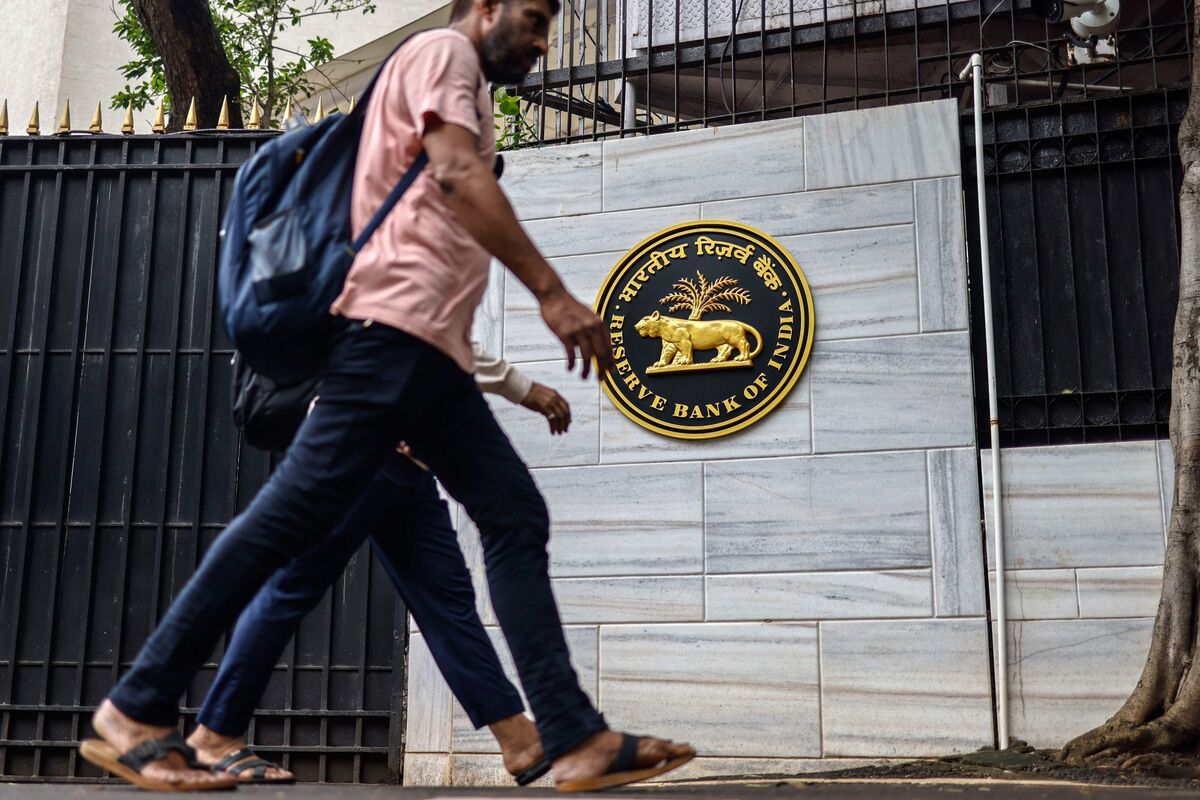
India's net purchases of US Treasuries rose to a record $15.2 billion in July, up from $3.39 billion in June, supported by sizable overseas capital inflows through the central bank's special facilities. The buying lifted India's Treasury holdings to their highest level in 10 months, signaling strengthened foreign-exchange reserve deployment and demand for US government debt.
Analysis
The signal is more relevant for marginal dollar funding conditions than for the Treasury term-premium outlook. Reserve accumulation tied to temporary foreign-currency inflows typically creates a two-step trade: central-bank dollar purchases support local-currency stability initially, while reserve recycling modestly increases demand for liquid dollar assets. At India’s scale, however, this is insufficient to offset US fiscal supply; the more actionable implication is reduced near-term INR tail risk and a less hostile backdrop for India-duration and domestic financial assets over the next 1-3 months.
The key second-order risk is reversal of the underlying inflow channel. If global rates rise, oil moves materially higher, or Indian equity valuations prompt foreign selling, reserve usage can reverse quickly and INR hedging costs would rise before official reserve data fully reflects the change. Treasury custody data also should not be read as a durable policy allocation shift: month-to-month changes can reflect custodial location, FX intervention timing, and short-duration liquidity management rather than a strategic demand impulse.
Consensus may overstate the bullish read-through for long-duration Treasuries. Incremental official-sector demand is most likely concentrated in bills and notes for liquidity purposes, while long-end yields remain governed by Treasury issuance, inflation compensation, and hedging supply. The cleaner relative-value expression is selective India exposure versus more externally fragile emerging markets, not an outright duration bet.
AllMind Terminal
AI-powered research, real-time alerts, and portfolio analytics for institutional investors.
Request TrialMarket Sentiment
Overall Sentiment
mildly positive
Sentiment Score
0.20
Key Decisions for Investors
- Maintain a 1-3 month tactical overweight in INDA versus EEM, sized modestly; the thesis is lower INR stress and steadier portfolio inflows rather than a broad EM-beta call. Exit if USD/INR breaks to a new sustained high or if foreign portfolio flows turn materially negative for two consecutive weeks.
- For USD-based portfolios with India equity exposure, reduce near-term INR hedge ratios modestly rather than adding unhedged risk outright; reassess around the next RBI reserve and intervention data. Re-hedge if Brent sustains above $90/bbl or US 10-year yields rise more than 35bp from entry.
- Do not initiate an outright long TLT position on this signal. If seeking a rates expression, favor a small long 2-year Treasury/short 10-year Treasury steepener: reserve recycling is more likely to support front-end liquidity than to resolve long-end fiscal term premium.
- Watch India’s reserve change, USD/INR forward points, and net foreign buying of Indian equities/debt over the next 4-8 weeks. A simultaneous reserve decline and widening forward premium would invalidate the supportive-capital-flow thesis and favor closing INDA/EEM outperformance exposure.
More News
- Bank of Japan raises interest rates to 31-year high, flags concerns over inflation
- Yen Drops Against Dollar After BOJ Raises Rates as Expected
- Australia’s central bank chief warns inflation risks materialising
- Japan’s interest rate hiked to 31-year high at 1.25% as inflation rises
- Bank of Japan hikes rates to 31-yr high amid growing inflationary risks
- Asian stocks rise as oil retreat eases inflation fears, BOJ in focus