
Russia’s Oil-Export Boom Undercut by Payouts, Diesel Sales Ban
Source: Bloomberg
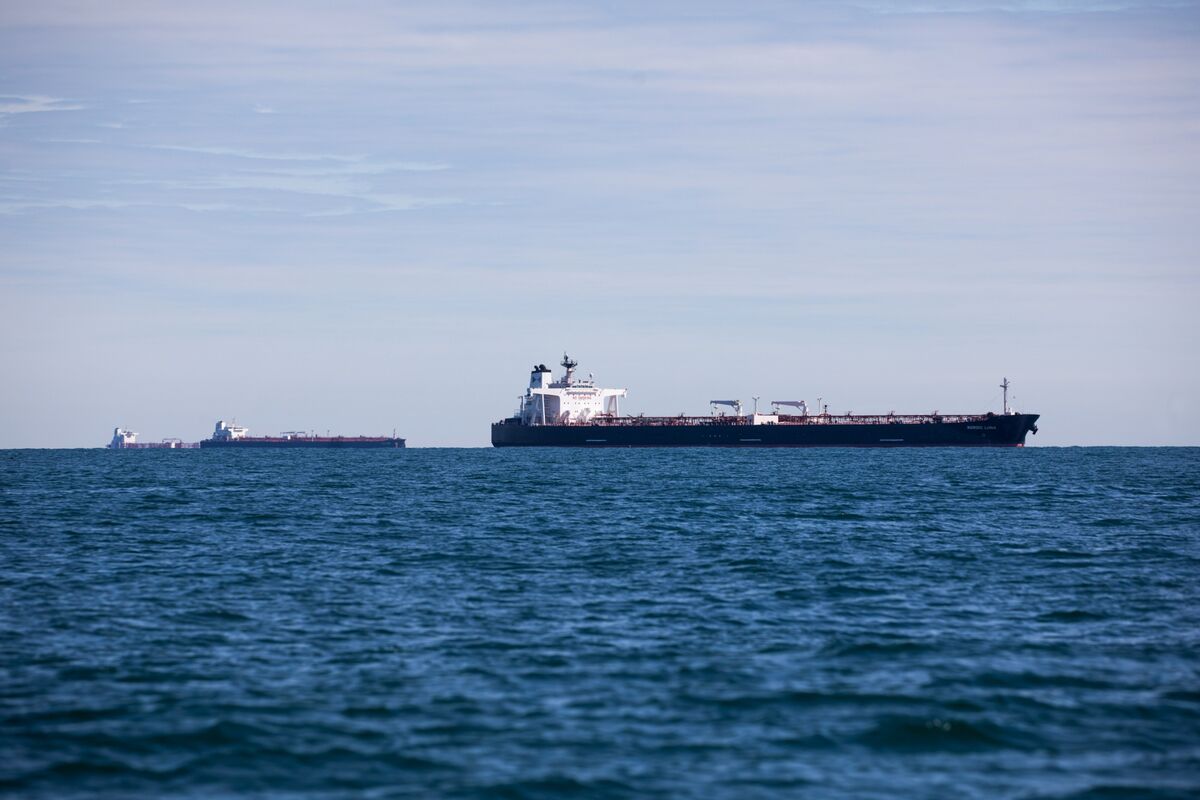
Russia’s crude exports rose to 3.76 million barrels a day in the four weeks through Oct. 4, the highest in two months, while higher prices lifted cargo values to their highest level since before the 2022 full-scale invasion of Ukraine. Refinery subsidies and a ban on diesel exports are reducing the benefit to the Kremlin’s war chest. The flows also helped supply refiners in India and China as Persian Gulf supplies remained constrained by US-Iran hostilities.
Analysis
The key distinction is between export value and fiscal capture: higher crude realizations do not translate one-for-one into Kremlin cash if domestic-refining support absorbs more of the uplift. The missing inputs are the size and timing of subsidy payments, tax receipts, and realized export discounts; without them, cargo value is a poor proxy for the budget impulse.
The product restriction creates a potentially separate market effect. If Russian diesel stays off export markets for more than a brief policy interval, it can tighten middle-distillate availability and support gasoil cracks even while crude supply remains ample. That is a relative-value setup, not a clean bullish call on crude. India and China’s ability to substitute among suppliers, and any rerouting or exemptions, could blunt it.
Near term, policy announcements and shipping data are likely to drive volatility. Over 1–3 months, monitor whether the ban persists and whether export restrictions coincide with weaker refinery runs or higher subsidy outlays. Over 6–18 months, sustained support payments would make Russian fiscal receipts more sensitive to policy and refining economics than headline oil prices imply. The contrarian point: the export-value record may overstate the improvement in Russia’s usable fiscal proceeds, while the diesel restriction may matter more to product spreads than to the crude balance.
AllMind Terminal
AI-powered research, real-time alerts, and portfolio analytics for institutional investors.
Request TrialMarket Sentiment
Overall Sentiment
mixed
Sentiment Score
0.00
Key Decisions for Investors
- Consider a small, defined-risk long in the gasoil/diesel crack versus Brent rather than outright crude exposure, conditional on confirmation that the export restriction remains in force. Exit or reduce if the ban is relaxed, product inventories build, or cracks fail to respond despite continued restrictions.
- Avoid treating rising Russian cargo value as a standalone bullish signal for crude or as evidence of equivalent budget relief. Before changing exposure, verify fiscal receipts net of refinery support, realized export discounts, and the restriction’s scope and duration.
- Watch Indian and Chinese import patterns and alternative-supplier flows over the next 1–3 months: sustained Russian crude demand alongside reduced product exports supports the relative-value thesis; rapid substitution or product rerouting weakens it.
- No high-conviction directional crude trade is warranted from this evidence alone; a reversal in policy or a sharp fall in global middle-distillate demand is the principal downside risk to the product-spread idea.
More News
- Rebounding oil exports through Strait of Hormuz are vulnerable to stepped-up Iranian tanker attacks
- High diesel prices may put 'another squeeze' on the consumer, economist says
- Saudi Arabia says East-West pipeline pumping 5.8 million bpd
- What new measures is Iran taking to counter US economic pressure?
- Google squeezes more power from existing nuclear plants in Constellation deal. These stocks benefit
- Hormuz ship attacks surge: Are increased oil exports sustainable?