
Rio Tinto commits $1.9 billion to Queensland bauxite expansion
Source: proactiveinvestors.com
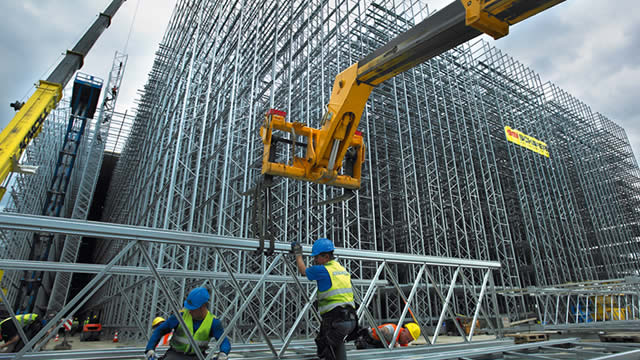
Rio Tinto will invest $1.9 billion in Queensland’s Kangwinan bauxite project, adding 20 million tonnes of annual capacity and extending the life of its Weipa Operations. First production is targeted for 2029, with full output expected by 2032.
Analysis
The investment is a long-dated capacity and asset-life decision, not a near-term earnings catalyst: production is not targeted until 2029, with full output later. Near term, the key market question is whether execution and permitting remain on schedule—not the eventual tonnage. Structurally, additional seaborne bauxite can improve Rio Tinto’s security of supply and downstream optionality, but it may also increase competition for third-party suppliers such as Alcoa if supply growth outpaces refinery demand. The net value to Rio depends on realized prices, operating costs, infrastructure and how much output is sold externally versus used within its supply chain; the article does not establish those economics. The capital commitment also competes with other projects for funding, so a positive project headline alone does not justify a valuation premium. Over 6–18 months, watch project approvals, capex guidance, customer commitments and evidence of bauxite-market tightness. Delays, cost escalation, weaker alumina demand or added competing supply would weaken the case. The contrarian point: the headline capacity figure can look more immediately material than it is—the earnings contribution is years away and should be discounted against execution risk.
AllMind Terminal
AI-powered research, real-time alerts, and portfolio analytics for institutional investors.
Request TrialMarket Sentiment
Overall Sentiment
moderately positive
Sentiment Score
0.45
Ticker Sentiment
Key Decisions for Investors
- Do not chase RIO on this announcement alone; treat it as modestly positive for long-run asset optionality, with little basis for changing near-term earnings estimates absent project-level economics.
- For the next 1–3 months, monitor approvals, capex phasing and any quantified disclosure on expected costs, customers and internal versus external sales. These are the missing inputs needed to assess returns on the investment.
- Use project milestones as a watch item rather than an event trade. Reassess positively if timelines and capex remain on plan and bauxite demand supports incremental supply; reassess negatively on material delay, cost escalation or signs of oversupply.
- Falsification: a disclosed reduction in expected capacity or a schedule slip would undermine the asset-life thesis; conversely, verified customer demand and credible project economics would make the long-dated benefit more investable.
More News
- Are global oil reserves sufficient to withstand renewed US-Iran war?
- EU entering winter with lowest gas reserves on record, IEA boss warns
- OpenAI Trims Target Value & Volvo Cars Cuts 2,500 Jobs
- JSW Steel’s Profit More Than Triples on Higher Prices
- Calm Returns to Markets as Tech Rout Subsides
- Defense giant Saab sees orders triple after Gripen fighter jet deal with Ukraine
From AllMind Research
- Anthropic IPO Preview: Valuation, Timing, and What to Watch
- Shein After the IPO: Venue, Valuation, and What Must Be Proved
- What AI Research Tools Should a Small Hedge Fund Buy First?
- AlphaSense Pricing: What Public Contract Data Shows in 2026
- Eli Lilly Q4 2025 Earnings: Revenue Surges 43% as Mounjaro and Zepbound Dominate the GLP-1 Market