
Ozinga Opens New Low-Carbon Cement Mill
Source: PR Newswire
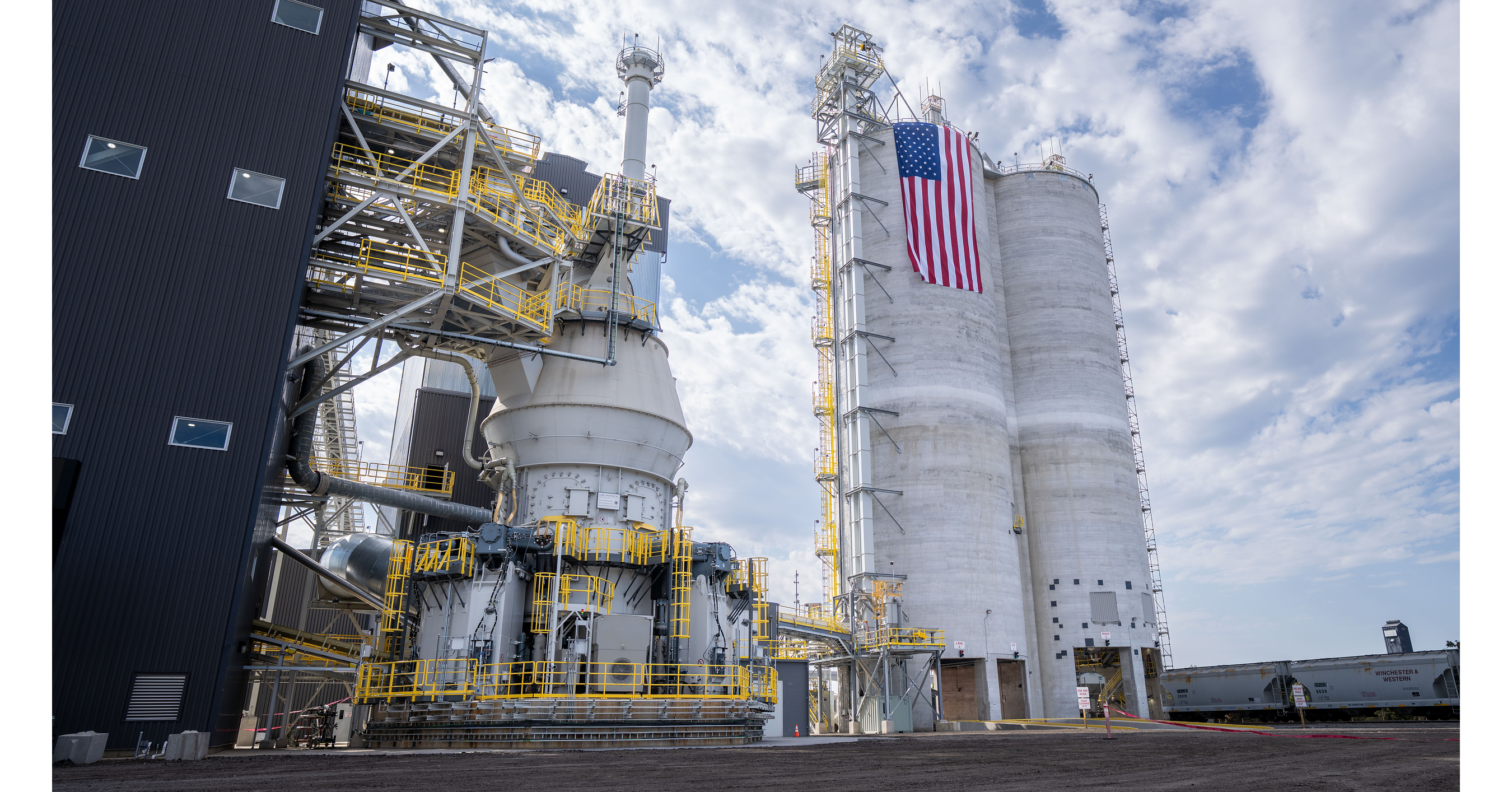
Ozinga opened a low-carbon slag cement mill in East Chicago, Indiana, with annual capacity of 1 million tons, adding domestic supply for construction materials. The company says its CarbonSense blends can cut embodied carbon by up to 80% versus traditional Portland cement mixes; at full operation, the facility is projected to offset more than 700,000 metric tons of CO₂ annually. Construction created more than 250 temporary jobs, and the mill and Ozinga’s Burns Harbor operation are expected to support approximately 50 permanent union steelworker jobs.
Analysis
The investable read-through is conditional optionality for Cleveland-Cliffs (CLF), not a demonstrated earnings catalyst: the article links slag processing to CLF’s Burns Harbor site but does not disclose a supply agreement, volume commitment, or pricing. If CLF sells a meaningful share of this feedstock on attractive terms, slag could gain value as a steelmaking byproduct; without those details, the contribution is not quantifiable and should not support a fundamental rerating.
The broader competitive effect is regional substitution: qualified slag blends can reduce buyers’ exposure to Portland-cement shortages and imports, potentially limiting pricing power for conventional cement suppliers. But a 1-million-ton nameplate facility does not establish actual utilization or a national price reset. The key structural constraint is feedstock: slag cement depends on suitable blast-furnace slag, while a shift toward electric-arc-furnace steelmaking could tighten supply over time. Product qualification, customer acceptance, and delivered economics also govern substitution.
Near term, commissioning and customer uptake—not ribbon-cutting claims—are the catalysts. Over 6–18 months, verify operating rates, feedstock sourcing, and whether lower-carbon procurement converts into repeat orders. Falsifiers for the CLF read-through include no disclosed commercial linkage, inadequate slag availability, or weak mill utilization. For cement incumbents, evidence of limited substitution or persistent customer preference for Portland cement would weaken the displacement thesis.
AllMind Terminal
AI-powered research, real-time alerts, and portfolio analytics for institutional investors.
Request TrialMarket Sentiment
Overall Sentiment
moderately positive
Sentiment Score
0.40
Key Decisions for Investors
- No immediate CLF trade on this announcement alone. Treat the connection as an alert until CLF or Ozinga discloses supply volumes, contract duration, pricing, and the economics of slag processing.
- Over the next 1–3 months, monitor commissioning progress and customer qualification or offtake disclosures. A long-CLF thesis requires evidence that incremental slag monetization is material relative to the steel operation, not just facility capacity.
- Track regional cement pricing and import availability rather than extrapolating a Midwest capacity addition into a national shortage reversal; consider conventional cement suppliers more exposed only if repeat slag-blend orders demonstrate meaningful substitution.
- Watch the longer-term steelmaking mix: faster movement from blast furnaces toward electric-arc furnaces could reduce suitable slag availability and constrain growth in low-carbon slag cement.
More News
- Taiwan agrees to buy 30% of gas from Alaska LNG project, Trump says
- South Korean carmaker Hyundai plans 'strategic' investment of $15.5 billion in India by 2032
- Houthis Hit Saudi Aramco Headquarters in Missile Attack
- Namibia battles cattle disease outbreak as EU suspends several meat imports
- Applied Materials’ $5 billion AI lab aims to cut chip development time in half—and restore Silicon Valley’s edge
- Wells Fargo CFO on Earnings, Deals, Consumer Strength
From AllMind Research
- Anthropic IPO Preview: Valuation, Timing, and What to Watch
- Shein After the IPO: Venue, Valuation, and What Must Be Proved
- What AI Research Tools Should a Small Hedge Fund Buy First?
- Weekly Update: Adding Live MBO Level 3 Data - Liquidity Heatmap, OFI Charts, and More
- AI Software for Buy-Side Teams: Build the Research Stack