
2 Safe S&P 500 Healthcare Dividend Stocks Boomers Can Buy and Hold Forever
Source: 247wallst.com
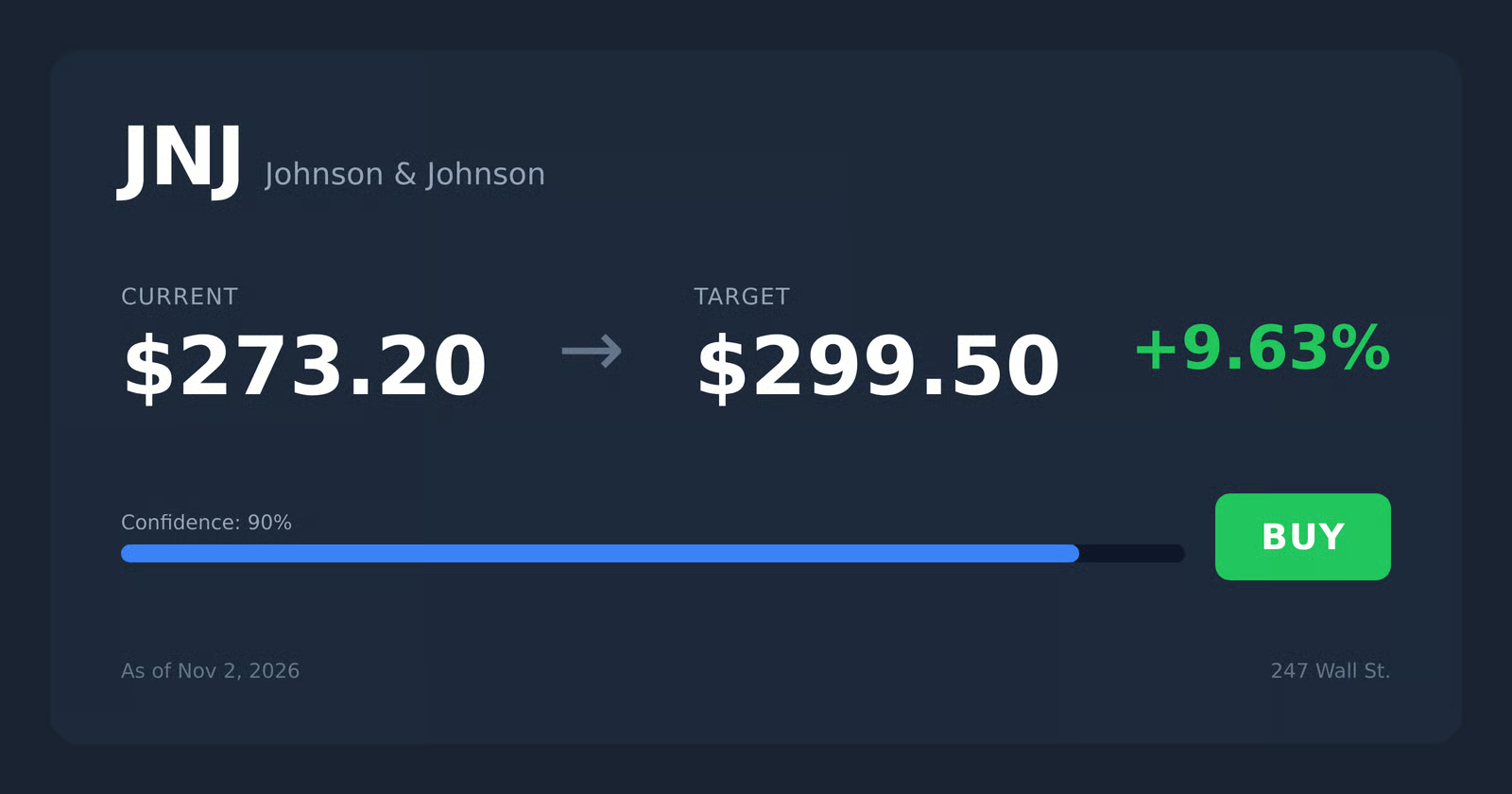
Healthcare demand for prescriptions and procedures persists through economic cycles and tends to rise with age, making the sector relevant to retirees planning income. The excerpt suggests investors may benefit from owning healthcare suppliers, but provides no specific companies, figures, or market-moving development.
Analysis
The defensiveness case is about demand volume, not assured shareholder returns. Even when care is hard to defer, returns can be diluted by payer bargaining, reimbursement changes, labor and input costs, or a drug losing exclusivity. Aging-driven demand is a multi-year support, but it is not a near-term earnings catalyst by itself and may already be reflected in sector valuations.
The main second-order split is within healthcare: diversified providers and established drugmakers may offer steadier cash flows, while biotech and patent-concentrated firms retain substantial trial, regulatory, and exclusivity risk. Payers and providers can also face pressure if treatment utilization rises faster than reimbursement. The article supplies no company, valuation, yield, or financial data, so security selection and dividend durability cannot be established.
Near term, there is no distinct event or earnings estimate to trade. Over 1–3 months, monitor reimbursement and drug-pricing policy signals and company guidance; over 6–18 months, the thesis is better tested by realized utilization, pricing, and cash conversion than by demographic narratives. A contrarian risk is treating healthcare as a bond substitute: higher rates can weigh on yield-oriented equities, while policy shocks can overwhelm stable demand. No directional trade is justified on this information alone.
AllMind Terminal
AI-powered research, real-time alerts, and portfolio analytics for institutional investors.
Request TrialMarket Sentiment
Overall Sentiment
neutral
Sentiment Score
0.10
Key Decisions for Investors
- No trade on the article alone: it gives no company-specific catalyst, valuation, or evidence that healthcare income is mispriced.
- For a defensive allocation review, compare healthcare exposure such as XLV with the broader market on valuation, earnings revisions, and dividend coverage; do not infer yield safety from demand resilience.
- Watch Medicare reimbursement and drug-pricing developments, plus guidance on utilization, realized pricing, and cash conversion. These are more actionable tests than demographic projections.
- Reassess the defensive thesis if policy changes materially compress reimbursement or pricing, or if earnings and dividend coverage weaken despite stable demand; higher rates are a separate risk to yield-oriented healthcare shares.
More News
- Kimberly-Clark closes its acquisition of Tylenol maker Kenvue. What to expect next
- RA Capital Management sells $9.13M in Lenz Therapeutics shares
- Karyopharm stock rating cut to neutral by Rodman on bankruptcy
- Amgen (AMGN) Bets on MariTide to Crack $120 Billion Obesity Market
- Bright Minds shares fall as BTIG cuts price target on clinical hold
- Vertex Pharma meets Q3 estimates, raises revenue guidance