
Resilient Middle East Oil Trade Learns to Live With War
Source: Bloomberg
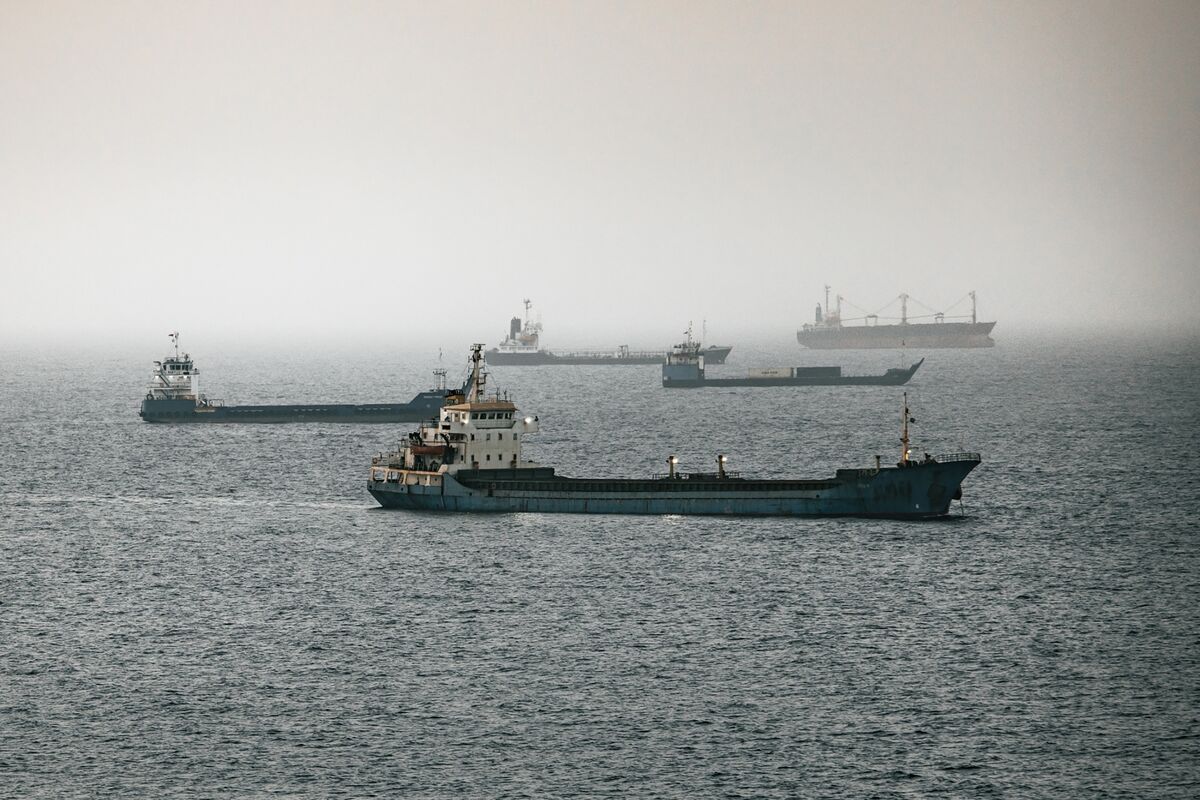
The article says oil producers and buyers have adapted to the danger of attacks on Middle East shipping. Iran’s latest tanker attacks could, in theory, constrain energy flows through the Strait of Hormuz, but the provided text gives no figures on actual disruption or prices.
Analysis
The investable implication is less a directional oil call than a change in where risk is priced. If producers, buyers and shippers have built workable buffers, repeated threats may produce smaller sustained moves in benchmark crude while leaving physical-grade differentials, freight and war-risk insurance more volatile. That favors monitoring the dislocation between headline Brent and delivered crude costs for Asian refiners rather than treating every incident as evidence of an imminent global supply shortfall.
Near term, resilience can suppress the risk premium; it does not remove the low-probability, high-impact tail of a genuine interruption. Over 1–3 months, the key test is whether adaptation preserves actual loadings and transit volumes, not whether market participants say they have adjusted. Over 6–18 months, persistent higher routing, insurance or inventory costs could become a structural drag on exposed buyers and support alternative supply routes, but the article provides no cost or volume data to size that effect.
The contrarian risk is complacency: repeated non-disruptive incidents may encourage under-hedging precisely as market pricing discounts the tail. Conversely, a crude spike without evidence of lost flows could quickly reverse. Verify Hormuz transit/loadings, tanker rates and war-risk premia, Asian physical differentials, and inventory draws before treating the episode as a supply shock.
AllMind Terminal
AI-powered research, real-time alerts, and portfolio analytics for institutional investors.
Request TrialMarket Sentiment
Overall Sentiment
neutral
Sentiment Score
0.00
Key Decisions for Investors
- No outright crude directional trade on this evidence alone. Avoid chasing a geopolitical premium unless there is confirmation of sustained transit or loading losses.
- For portfolios needing protection, consider defined-risk Brent call spreads rather than unhedged futures exposure; initiate only if shipping disruption is confirmed or protection remains attractively priced. The thesis is falsified if flows remain stable and the prompt risk premium fades.
- Set an alert for a widening gap between benchmark crude and delivered Asian crude costs, alongside tanker freight and war-risk insurance. A persistent move could create a more actionable relative-value opportunity for exposed refiners or transport-linked assets; verify the data before positioning.
- Reassess on sustained inventory draws, material changes in transit volumes, or a clear reversal in shipping conditions. Without those signals, treat headline volatility as a possible short-lived premium rather than a durable change in supply.
More News
- The world needs Ukraine’s grain. Its farmers are running out of reasons to plant
- Trump vows quick end to Iran war as fighting in Yemen intensifies
- Trump's diesel agreement with Putin accused of contradicting Russia sanctions law
- Israel’s economy prospers despite years of war, but prices worry voters
- Trump reaches Russian diesel supply deal as U.S. fuel prices surge
- RBI Announces Special Oil Window, Regulatory Steps for Rupee
From AllMind Research
- Anthropic IPO Preview: Valuation, Timing, and What to Watch
- Shein After the IPO: Venue, Valuation, and What Must Be Proved
- What AI Research Tools Should a Small Hedge Fund Buy First?
- Best AI Stock Research Tools for Professional Investors
- Weekly Update: Adding Live MBO Level 3 Data - Liquidity Heatmap, OFI Charts, and More