
Weltsehkrafttag: HelpMeSee fordert höhere Investitionen in chirurgisches Fachpersonal, um die weltweite Erblindung durch Grauen Star zu bekämpfen
Source: PR Newswire
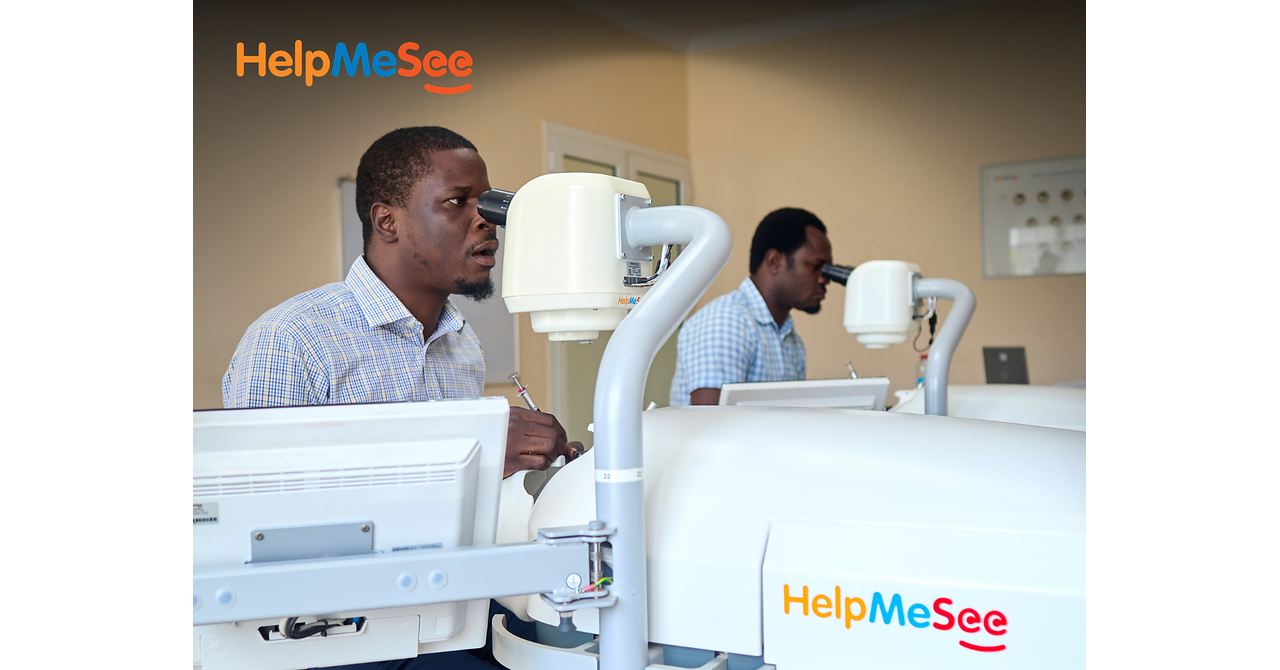
An estimated 94 million adults aged 50 and older have vision impairment or blindness from untreated cataracts, and more than half of people needing cataract surgery worldwide lack access; in the WHO African Region, three in four remain untreated. HelpMeSee is calling for sustained investment in surgical training and facilities, including simulation-based training, as the WHO consults on a global initiative supporting a target to increase effective cataract surgery coverage by 30 percentage points by 2030. The article is an advocacy announcement with limited direct market impact.
Analysis
The investable signal is not the prevalence statistic; it is whether training capacity becomes a funded, measurable input to surgical volume. The article offers no evidence that HelpMeSee’s simulation model has yet translated into additional procedures, lower complication rates, or recurring commercial revenue. Treat the training claims as a program hypothesis, not proof of scalable economics.
The bottleneck framing also cuts both ways: more trained surgeons may lift demand for intraocular lenses and basic ophthalmic supplies, but realized volume still depends on operating-room capacity, consumables, patient financing, and follow-up care. Those constraints could limit utilization and blunt any benefit to equipment makers. A shift toward lower-cost manual surgery could also favor affordable consumables over capital-intensive platforms, but the article does not establish that procurement is changing. Alcon, Johnson & Johnson MedTech, and Carl Zeiss Meditec are possible sector read-throughs, not confirmed beneficiaries.
Timing is slow: the WHO consultation and upcoming summit are agenda-setting catalysts, not orders or near-term earnings drivers. Over 6–18 months, the useful evidence will be government budgets, local training partnerships, and independently verified growth in completed surgeries and outcomes. The contrarian point is that the headline frames workforce as the central constraint; funding, facilities, and affordability may be equally binding. No direct listed-company exposure or trade signal is established here.
AllMind Terminal
AI-powered research, real-time alerts, and portfolio analytics for institutional investors.
Request TrialMarket Sentiment
Overall Sentiment
mixed
Sentiment Score
0.05
Key Decisions for Investors
- No immediate position: this is nonprofit advocacy with no identified listed beneficiary, disclosed contract, or quantified financial impact.
- Add ophthalmic-device names such as Alcon, Johnson & Johnson MedTech, and Carl Zeiss Meditec to a watchlist only; look for disclosed low-resource-market orders or procedure-volume changes before attributing upside.
- Monitor the WHO consultation and summit for funded commitments, then verify implementation through training completions, operating capacity, and procedures performed—not simulator counts or partnership announcements alone.
- Reassess the thesis if budgets or facilities fail to follow training investment, or if verified procedure growth does not emerge over the next 6–18 months; those would falsify the assumption that workforce expansion is an investable volume catalyst.
More News
- Verizon stock heads for worst day since 2002 as SpaceX U.S. network plans whack telcos
- Israel’s economy prospers despite years of war, but prices worry voters
- SpaceX’s Wireless Threat Rises With Spectrum Deal
- SpaceX to buy key spectrum that could help Starlink Mobile become major US cell carrier
- Why is the Chinese stock market missing the AI rally
- ‘Piece by piece’: Trump administration vows to dismantle the International Criminal Court with sweeping new sanctions