
New HelioVolta Report: Poor Project Quality Increases Lifetime Solar Energy Costs by More than 20%
Source: PRWeb
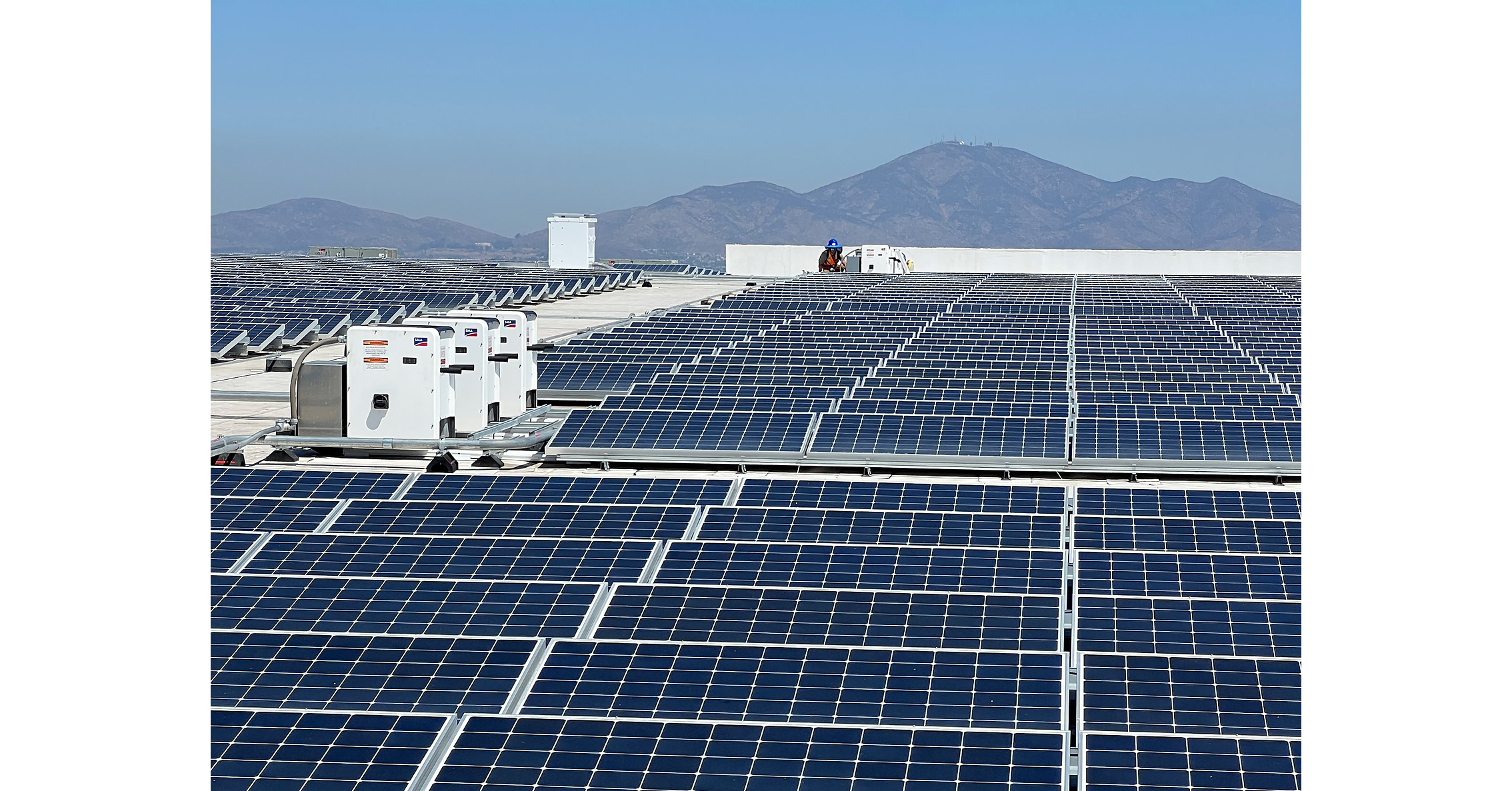
HelioVolta’s 2026 report assessed more than 1,500 U.S. and Puerto Rico solar assets, representing nearly 8 GW, and found major issues requiring urgent corrective action in 87% of projects; 8% had critical issues requiring immediate de-energization. Its modeling estimates that quality gaps can increase a PV system’s levelized cost of energy by more than 20%, while the lowest-quality systems may underperform by 6% over their lifetimes and need up to three times more unplanned maintenance. The report also honored projects developed and owned by Onyx Renewables and Greenskies Clean Energy.
Analysis
The investable signal is a potential transfer of value from low-bid construction toward owners and developers able to document lifecycle performance—not an immediate read-through to solar demand. If the reported defect burden generalizes, owners face lower generation, corrective capex and possibly weaker asset-sale or refinancing terms; EPCs on fixed-price contracts could absorb rework costs, while qualified O&M and inspection providers may gain recurring work. Lenders and insurers could respond with tighter diligence, reserves or premiums, raising financing costs for poorly documented projects. Tracker-related findings warrant scrutiny of installation practices and warranty allocation; they do not establish that tracker hardware suppliers are at fault.
Confidence is limited: the inspected assets may not represent the installed base, the scoring framework is proprietary, and the report does not establish who ultimately pays for remediation. The awards cover two sub-5 MW projects and are not evidence of portfolio-wide performance. Company statements linking quality to profitability or tax-credit risk should be independently tested against production and cash-flow data.
Near term, expect limited earnings impact absent named liabilities or broad customer actions. Over 1–3 months, monitor EPC contract disputes, warranty claims, lender/insurer diligence and owner disclosures. Over 6–18 months, independently verified underperformance could widen financing and valuation differences between well-documented portfolios and projects with unresolved defects. The contrarian risk is extrapolating alarming inspection results into a sector-wide impairment; confirmation requires representative sampling and measured generation losses.
AllMind Terminal
AI-powered research, real-time alerts, and portfolio analytics for institutional investors.
Request TrialMarket Sentiment
Overall Sentiment
mildly negative
Sentiment Score
-0.15
Key Decisions for Investors
- No directional solar-equity trade on this release alone. Treat it as a diligence catalyst, not evidence of sector-wide earnings revisions; the identities provided do not support a mapped single-name position.
- For existing solar-asset exposure, request project-level inspection results, measured production versus modeled output, remediation budgets, EPC warranty terms and responsibility for corrective work before changing valuation or credit assumptions.
- Watch for 1–3 month confirmation in owner disclosures, lender/insurer requirements and EPC claims. A broad rise in corrective-cost guidance or financing reserves would support a relative preference for portfolios with independently verified operating records over poorly documented assets.
- Falsify the negative read-through if broader, representative inspections show materially lower defect prevalence and affected projects maintain expected output without meaningful remediation spending; do not extrapolate the tracker or canopy observations beyond their inspected samples.
More News
- GIC Private Ltd, Medline 10% owner, sells over $721m in shares
- A 32% beat, a +6% jump: the IT solutions name our models picked in July
- Nvidia Is on the Verge of a $6 Trillion Market Value
- Controversial $110 billion mega-merger of Paramount and Warner Bros. finally closes
- What Marvell's rosy long-term guidance means for our AI chip stocks
- Analysis-Vietnam’s banks tap investors for $7 billion as economy runs red hot