
Palm Oil Glut Lures Indian Buyers as Price Gap to Rivals Widens
Source: Bloomberg
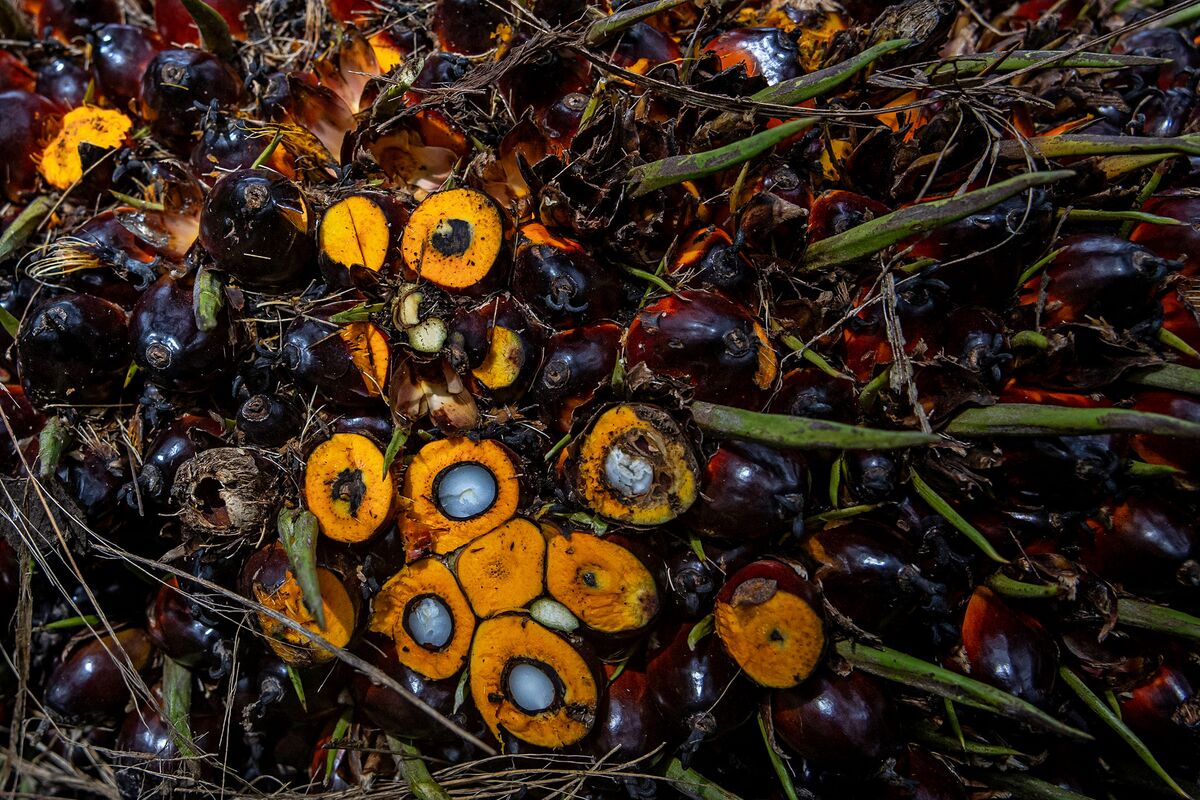
Palm oil’s discount widened to about $300 a ton versus sunflower oil—among the largest gaps in recent years—and to about $100 a ton versus soybean oil, according to Patanjali Foods vice president Aashish Acharya. The price gap is attracting buyers in India and other major markets; Black Sea attacks have disrupted Ukrainian and Russian sunflower oil shipments, while strong Malaysian palm oil production is keeping supplies buoyant.
Analysis
The key market mechanism is substitution: a persistent palm discount can redirect marginal demand from sunflower and soybean oil, helping absorb excess palm supply and putting pressure on competing oils. That support is conditional, however—buyers may face formulation, refining, or import-economics constraints, and Black Sea shipment risk can make sunflower availability volatile rather than structurally lower. A second-order effect is on soybean crushing economics: weaker soybean-oil demand can reduce crush incentives and, in turn, tighten soybean-meal supply, potentially supporting meal relative to oil.
Near term (days to weeks), the spread is more informative than outright oil prices; a narrowing discount would indicate substitution is starting to clear the glut. Over 1–3 months, monitor import volumes, local basis and any tariff changes in India, alongside Malaysian production and Black Sea logistics. Over 6–18 months, biodiesel mandates, weather and changes in export policy could overwhelm the current price incentive. Indian food manufacturers may receive input-cost relief, but lower costs need not translate into better margins if retail prices are competitive or regulated.
The contrarian risk is assuming the discount guarantees a durable demand shift: once sunflower shipments normalize, or palm supply remains abundant, the spread can widen again. No company-specific earnings or valuation impact is established by the article. Verify product-level exposure and pass-through before expressing an equity view.
AllMind Terminal
AI-powered research, real-time alerts, and portfolio analytics for institutional investors.
Request TrialMarket Sentiment
Overall Sentiment
mildly positive
Sentiment Score
0.10
Key Decisions for Investors
- Treat this as a relative-value watch, not an outright bullish palm call. Consider a palm-oil-versus-soybean-oil spread position only after confirming futures-curve structure, local basis and current positioning; substitution-driven narrowing is the thesis, while persistent Malaysian oversupply is the principal risk.
- Track Indian edible-oil import volumes, tariffs and processor commentary over the next 1–3 months. Input-cost relief could help buyers such as Patanjali Foods, but do not assume margin expansion without evidence that retail prices are sticky and palm is usable in the relevant product mix.
- Monitor soybean crush economics as a second-order trade signal: sustained oil substitution could weaken crush incentives and support meal relative to oil. Falsify this if soybean-oil demand holds up or meal supply expands despite weaker oil pricing.
- Reassess quickly if Black Sea sunflower shipments normalize, Malaysian output remains strong, or Indian import economics shift against palm; those developments could reverse the substitution trade before it becomes an earnings catalyst.
More News
- US tech stocks tumble as investors fret over AI spending
- Asian shares wobble as tech rout boosts bonds, dents rate hike bets
- Asia stocks fall as AI rout batters S.Korea; Japan spooked by strong CPI
- Nasdaq 100 Drops as Oil Rise Fuels Risk-Off Mood
- 10-year Treasury yield tumbles below 5% to lowest level in nearly a month
- Gold Holds Near Three-Month Low as AI Jitters Fuel Volatility