
LONG-LASTING TOUGHBOOK G3 SETS NEW STANDARDS FOR RUGGED TABLETS
Source: PR Newswire
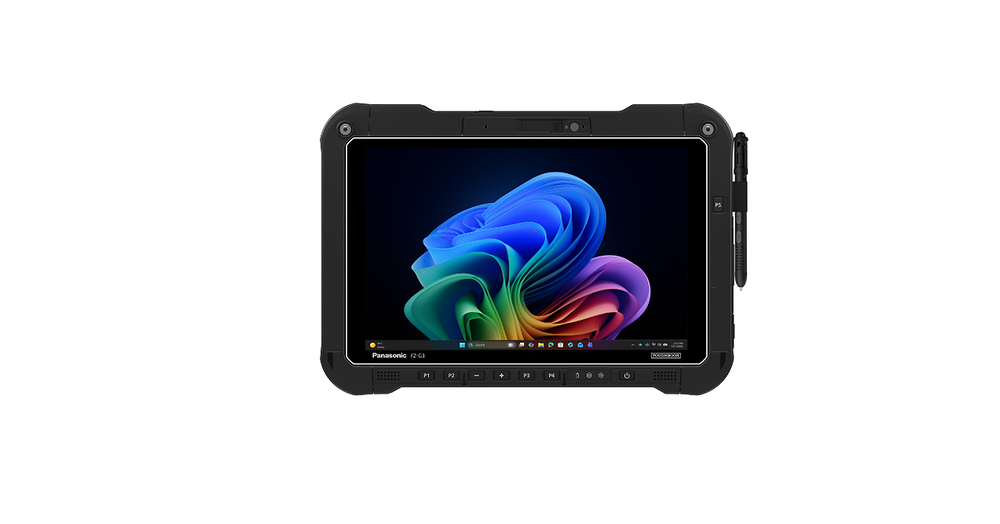
Panasonic launched the TOUGHBOOK G3 rugged tablet, claiming a 39% battery-life improvement versus the G2mk3 and offering battery configurations rated for 8.5, 17, or 24 hours per charge. The device uses Intel Core Ultra Series 3 processors with Copilot+ edge-AI capabilities, Wi-Fi 7 and optional standalone 4G/5G connectivity, targeting defence, emergency services, utilities, logistics and industrial users. Panasonic also highlights 180cm drop resistance and operation from -29°C to 63°C, though IP66 certification and independent MIL-STD-810H testing remain pending in 2026.
Analysis
The direct Intel read-through is immaterial: rugged tablets are a high-value but low-unit-volume endpoint, unlikely to alter INTC revenue estimates or offset the broader client-PC share and gross-margin debate. The more relevant signal is mix quality: edge deployments favor higher-spec CPUs, memory, connectivity modules and lifecycle support, where qualification cycles can produce stickier demand than consumer notebooks. That creates a modest positive bias for Intel’s commercial edge attach rate over 6-18 months, but not a near-term earnings catalyst.
The economic value accrues more meaningfully to Panasonic’s rugged-device service ecosystem and to specialized rivals Zebra Technologies (ZBRA) and Getac/Juniper Systems rather than to commodity PC vendors. Longer untethered operation and local inference can lower downtime for fleet operators, potentially supporting premium pricing and multi-year fleet refreshes in utilities, warehouses and public safety. However, these customers procure through lengthy certification and budget cycles; any shipment uplift is more likely to appear in 2027 procurement activity than in the next quarter.
Company performance claims should be discounted until independent durability and ingress certifications are complete. Delayed or failed certification would matter disproportionately in defense and emergency-services tenders, where a single compliance gap can exclude a device from a framework agreement. The contrarian point is that private-5G and AI capability may raise total system cost faster than they generate measurable labor savings, especially for logistics customers already shifting selected workflows to lower-cost Android handhelds and purpose-built scanners.
There is no standalone INTC trade from this release. A tradable signal would require evidence that rugged/industrial OEM wins are broadening across multiple Intel designs, accompanied by improved commercial-client mix or edge revenue disclosure; absent that, the news is marketing-level incremental rather than estimate-changing.
AllMind Terminal
AI-powered research, real-time alerts, and portfolio analytics for institutional investors.
Request TrialMarket Sentiment
Overall Sentiment
mildly positive
Sentiment Score
0.35
Ticker Sentiment
Key Decisions for Investors
- No new INTC position on this announcement; treat it as a watch item. Reassess only if Intel reports a measurable improvement in commercial/edge client mix or cites multiple rugged-device design wins at the next 1-2 earnings cycles.
- Monitor Panasonic Holdings (PCRFY) and ZBRA for 2027 public-safety, utility and warehouse fleet awards; favor ZBRA only if order growth reaccelerates while operating-margin guidance is maintained, since premium rugged hardware needs service revenue to justify a rerating.
- Set a Q4 2026 alert around final third-party certification. A certification delay or specification shortfall would be a negative tender-risk datapoint for Panasonic’s rugged-device positioning, but is not sufficient by itself to short INTC.
- For a broader edge-AI expression, prefer waiting for enterprise capex evidence rather than buying semiconductor beta: confirmation would be rising industrial automation orders and sustained commercial PC demand, while weak logistics capex or inventory correction would falsify the thesis.
More News
- Wall Street is closing out a strong quarter. Plus, Lilly's mixed obesity drug trial data
- Synopsys, Amazon Web Services sign chip design licensing deal worth more than $1 billion
- +35%, +33%: AI chip and infrastructure stocks cap a blockbuster Sep, here’s why
- Spectre bug is back, this time to haunt JIT engines
- Six tech and healthcare picks up 18%–32% this month - the leader is up 34%
- UK Prime Minister Burnham says Iran 'played a part' in British air base incident
From AllMind Research
- Anthropic IPO Preview: Valuation, Timing, and What to Watch
- Shein After the IPO: Venue, Valuation, and What Must Be Proved
- What AI Research Tools Should a Small Hedge Fund Buy First?
- Selecting an AI Research Platform for Institutional Investors
- Weekly Update: New Reporting Features and More Sources for Document Search