
Lingokids Just Launched Spanish and Portuguese: Why Families Will Love It
Source: PR Newswire
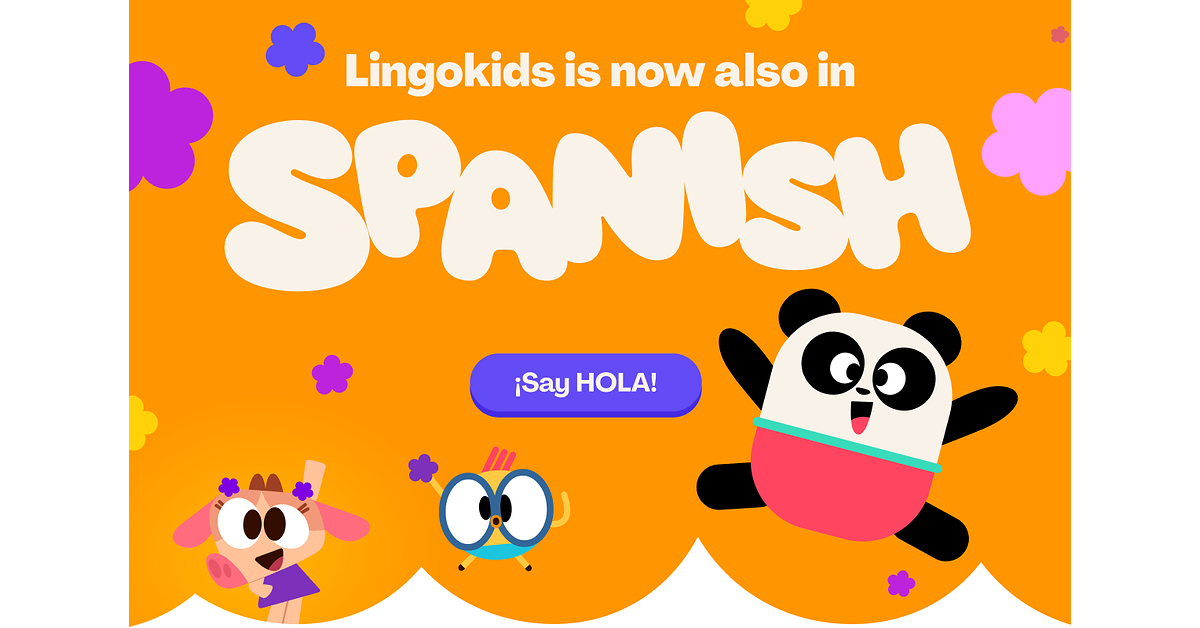
Lingokids launched Spanish and Brazilian Portuguese versions of the vast majority of its thousands of games, adding localized voiceovers and instructions to its flagship app. The company says more than 20 million families use the platform monthly; its survey of over 1,000 U.S. families found 75% wanted additional languages. The expansion responds to parent feedback and is intended to support international growth, including in Mexico and Brazil.
Analysis
The strategic signal is improved product usability, not yet proof of monetization: voice-led localization may reduce friction for pre-readers and lift retention or paid conversion, especially in Mexico and Brazil. That is a plausible advantage over English-first children’s apps, but the release provides no cohort retention, subscriber, pricing, or conversion data. Verify those before underwriting a durable revenue uplift.
The beneficiary is Lingokids, a private company, so the launch does not create a direct public-equity expression. The broader competitive read-through is to children’s learning and entertainment apps, including Duolingo’s early-learning offering, Khan Academy Kids, and PBS Kids: multilingual voice interfaces can become table stakes, raising content-production and localization costs for smaller rivals. More usage could also increase demand for licensed children’s IP, but the article does not establish that Disney or other named brands receive meaningful incremental economics. DIS exposure is therefore unquantified and likely not actionable on this announcement alone.
Near term, this is a product-quality signal with limited price relevance for mapped public companies. Over 1–3 months, watch for independently verifiable adoption, engagement, and paid conversion by language/market. Over 6–18 months, success could validate a lower-friction international expansion playbook; failure to sustain engagement would leave localization as cost without demonstrated monetization. The contrarian risk is that bilingual demand survey results may overstate willingness to pay, while broad language coverage may dilute localization quality. Falsify the positive thesis if Lingokids reports weak localized-user retention or conversion, or if expansion stalls after the initial languages.
AllMind Terminal
AI-powered research, real-time alerts, and portfolio analytics for institutional investors.
Request TrialMarket Sentiment
Overall Sentiment
mildly positive
Sentiment Score
0.35
Key Decisions for Investors
- No trade in DIS on this release: the article establishes neither material licensing economics nor a measurable change to Disney’s outlook.
- Put Lingokids on a private-company watchlist; seek localized-market retention, paid-conversion, and content-localization cost data before assigning financial value to the launch.
- Monitor DUOL and children’s-app peers for multilingual feature launches and commentary on engagement or acquisition costs; treat this as a competitive alert, not a recommendation to short incumbents.
- Revisit the thesis if Lingokids discloses sustained Spanish- and Portuguese-language engagement and monetization; downgrade it if usage rises without paid conversion or localization quality proves uneven.
More News
- Netflix stock falls 3% as content shake-up fails to ease investor worries
- Stock Market Today, Oct. 16: Tech Stocks Plunge as AI Software Valuations Reverse
- Our top 10 things to watch in the stock market Friday
- Stocks making the biggest moves midday: CoreWeave, Moog, J.B. Hunt, Alcoa & more
- Why did CoreWeave stock get crushed this week? Look to this corner of the debt market for clues
- AI stock sell-off ramps up over debt-fueled data center spending fears: ‘Full-blown crisis of confidence'