
Bom Dia Makes History as the First Brazilian Wine Named to Wine Enthusiast's Top 100 Best Buys
Source: PR Newswire
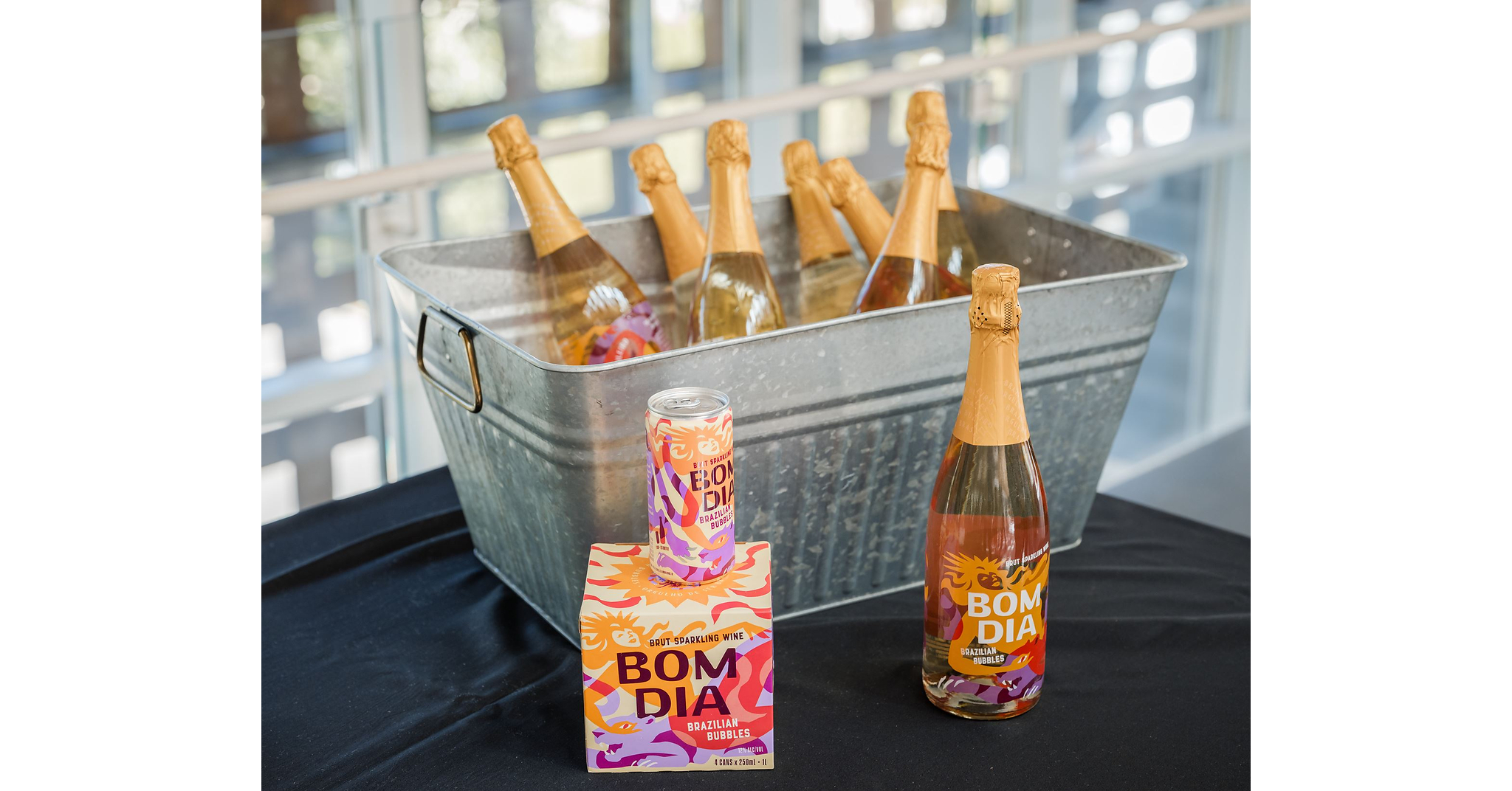
Bom Dia Brazilian Bubbles became the first Brazilian wine selected for Wine Enthusiast's Top 100 Best Buys in only its second year. The brand also received a 90-point rating in Tim Atkin MW's 2026 Brazil Special Report, following a 2025 Innovator of the Year nomination. The recognition strengthens the young company's positioning as it markets Brazilian sparkling wine, in bottles and cans, to U.S. consumers.
Analysis
This is not independently investable news: Bom Dia appears private and the recognition has no disclosed distribution, depletion, pricing, or retailer-door data. The relevant public-market read-through is modestly positive for premiumization and convenience-format alcohol, but a small imported sparkling brand is unlikely to change category volumes or incumbents' earnings in the next 1-3 months.
If the product gains chain distribution, the first-order beneficiaries are likely distributors with high-end wine portfolios—Southern Glazer's is private, limiting direct exposure—rather than listed global wine producers. STZ has limited direct sparkling-wine sensitivity, while SAM and TAP offer imperfect consumer occasions exposure but would not capture meaningful economics absent broader substitution toward canned, premium ready-to-drink alcohol. Aluminum-can demand spillover to BALL/CCK would be immaterial even under a successful rollout.
The contrarian point is that third-party ratings can reduce trial barriers but do not solve the economics that typically constrain imported wine brands: distributor incentives, shelf resets, working-capital demands, and promotional spend. A stronger Brazilian sparkling category could eventually pressure value-tier Prosecco and domestic canned-wine brands, but that requires evidence of repeat purchase and national distribution over 6-18 months—not social engagement or awards.
No trade is warranted. Treat this as a category-monitoring signal; the actionable catalyst would be verifiable placement at major chains, reported velocity per store per week, or a strategic investment/acquisition by a listed alcohol supplier. The thesis is falsified if distribution remains specialty-channel only or if discounting is required to sustain velocity.
AllMind Terminal
AI-powered research, real-time alerts, and portfolio analytics for institutional investors.
Request TrialMarket Sentiment
Overall Sentiment
moderately positive
Sentiment Score
0.42
Key Decisions for Investors
- No position: do not use STZ, SAM, TAP, BALL, or CCK as a proxy for this announcement; expected earnings sensitivity is de minimis over the next 12 months.
- Set an alert for a disclosed national retail/distributor partnership or funding round. Reassess only if retailer-door count and repeat-purchase/velocity data indicate scalable premium canned-wine demand within 6-18 months.
- For alcohol-sector books, monitor syndicated data for imported sparkling share gains versus Prosecco and domestic canned wine; a sustained 200-300bp category-share shift would be the threshold for examining relative-value shorts in exposed private-label/value suppliers, not currently identifiable through listed equities.
More News
- Japan approval, a 27% surge: the diagnostics stock our models picked in September
- Oracle Japan shares surge 7% after record fiscal first quarter, bucking selloff of U.S. parent
- Exclusive-How firms linked to sanctioned Chinese cotton giant sell clothes to U.S
- Costco makes progress on a key membership metric. Here's our new price target on the stock
- Akamai secures $11.6B cloud deal with Anthropic for AI workloads
- Tesla poised to scale production of heavy-duty Semi trucks with opening of Nevada factory