
From the Factory Floor to the Road Ahead: Andrew Wagoner on MaXpeedingRods and the U.S. Automotive Aftermarket
Source: PRWeb
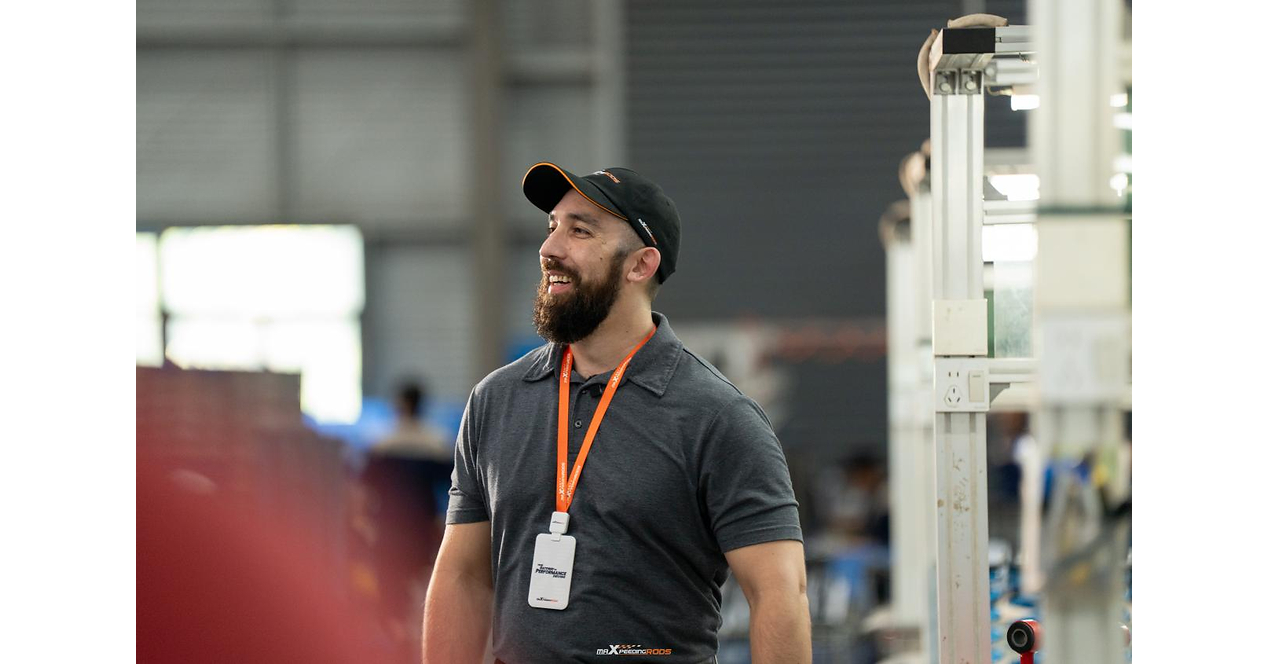
MaXpeedingRods outlined plans to deepen its U.S. automotive-aftermarket presence through greater engagement with enthusiast communities, customer feedback and product development. The company highlighted its manufacturing scale, quality-control processes and motorsport program, but disclosed no financial results, sales targets, product-launch dates or other material operating metrics. The announcement is primarily a brand-positioning and market-development update.
Analysis
This is promotional positioning rather than a measurable demand, pricing, distribution, or capacity event; it does not establish a near-term earnings read-through for listed aftermarket companies. The relevant competitive mechanism is low-price import substitution: if private-label performance parts gain credibility through fitment, warranty, and community marketing, the first pressure falls on discretionary suspension, turbo, and tuning categories where branded differentiation is weakest—not on replacement-part distributors whose value is availability and installer relationships.
For 1-3 months, there is no investable catalyst absent evidence of U.S. channel expansion, SKU-level pricing, return rates, or retailer sell-through. Public aftermarket leaders such as ORLY, AZO, AAP, and GPC remain driven principally by repair frequency, vehicle age, miles driven, wage inflation, and commercial-customer retention; enthusiast spending is too small to change consolidated estimates. LKQ has modestly greater theoretical exposure to value-oriented DIY and modification budgets, but its recycled-parts and collision mix limits direct comparability.
The contrarian point is that aggressive budget-market entry can be margin-accretive for distributors if it expands accessory attachment without meaningful inventory risk, rather than simply taking share from incumbents. The thesis turns negative only if price-led entrants secure national retail placement or marketplace ranking at sufficient scale to force branded suppliers into promotional responses; monitor specialty retail assortment changes, Amazon category pricing, warranty claims, and any disclosed U.S. warehouse investment over the next 6-18 months.
AllMind Terminal
AI-powered research, real-time alerts, and portfolio analytics for institutional investors.
Request TrialMarket Sentiment
Overall Sentiment
mildly positive
Sentiment Score
0.18
Key Decisions for Investors
- No immediate position: classify as a low-information marketing item, not a company-fundamental catalyst.
- Maintain core aftermarket exposure through ORLY or AZO rather than attempting to trade enthusiast-performance demand; reassess only after quarterly commentary shows a measurable change in accessory or DIY ticket growth.
- Create a 6-12 month watchlist for supplier-margin pressure: monitor DORM, SMP, and specialty performance brands for gross-margin deterioration or incremental promotional spending; a sustained 100-200bp gross-margin miss alongside evidence of low-cost import share gains would support selective shorts.
- For a defensive relative-value expression if discretionary auto spending weakens, favor long ORLY / short AAP over 3-6 months: ORLY's commercial mix and execution historically provide better downside resilience. Exit if AAP demonstrates two consecutive quarters of improving comparable sales and operating-margin recovery.
More News
- Taiwan benchmark Taiex rises to record intraday high as tech stocks advance
- AMD joins the $1 trillion club as chip rally surges - our AI Strategy saw it early
- Paramount agrees invest $1.5 billion in domestic movies and create a board for editorial independence at CNN, CBS as part of deal for Warner Bros.
- Here's who we know is going to the Trump-Xi dinner so far
- How a Bangladeshi garment-maker is fighting the Middle East energy crunch
- +17% in a single session: This AI-picked stock catches a data-center breakout