
Dr. Nicole Schrader Explains Why Treatment History Matters Before a Facelift Surgery
Source: Newswire
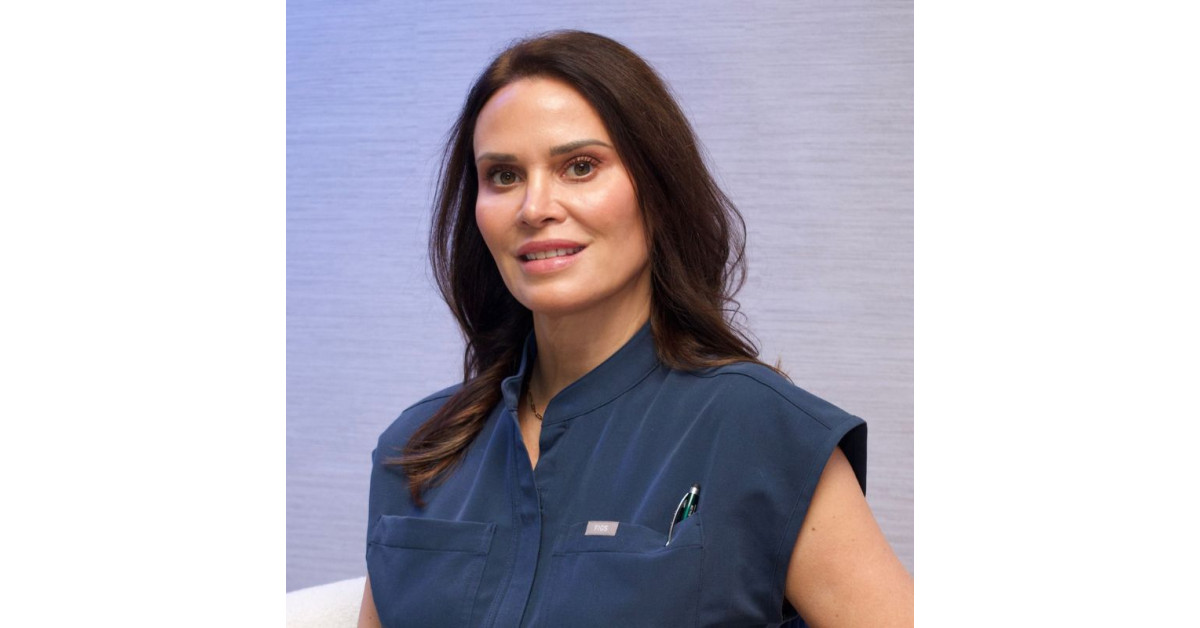
Facial plastic surgeon Dr. Nicole Schrader says prior energy-based skin-tightening treatments, particularly multiple Ultherapy sessions, can create scar-tissue adhesions that may add roughly two hours to facelift surgery and increase bleeding and potential nerve-weakness risk. She also emphasizes that long-term sun protection and skin care improve the foundation for surgical outcomes, while a three-month pre-surgery regimen cannot reverse decades of skin aging. The article is practice-sponsored patient education and is unlikely to have material market impact.
Analysis
This is low-signal, practice-generated content rather than independently validated clinical evidence, so it should not alter positioning in public aesthetics names. The only plausible read-through is a modest preference shift away from repeated energy-based facial procedures toward surgical consultation and longitudinal topical skin-care routines—but a single surgeon’s intraoperative observations are insufficient to infer a broad safety, utilization, or regulatory trend.
If the anecdote gains traction on social media, the near-term exposure is most negative for discretionary device-treatment providers and med-spa operators whose repeat-treatment economics depend on high-frequency energy-based procedures. Public-company translation remains weak: Ultherapy exposure sits within larger diversified platforms, and procedure mix, geographic demand, practitioner protocols, and patient selection matter more than isolated reputational commentary. Surgical providers could see consultation demand benefit, but labor capacity and surgeon availability constrain conversion, limiting any immediate revenue impact.
The more relevant 6-18 month question is whether credible comparative data show prior ultrasound/RF treatments raise surgical time, complication rates, or revision risk. That would create an adverse-selection problem for device manufacturers: surgeons may discourage repeat use in patients likely to pursue surgery later, reducing lifetime customer value rather than merely delaying a procedure. Absent peer-reviewed evidence, insurer, FDA, or professional-society action, the market should treat this as marketing noise rather than a device-industry catalyst.
AllMind Terminal
AI-powered research, real-time alerts, and portfolio analytics for institutional investors.
Request TrialMarket Sentiment
Overall Sentiment
mixed
Sentiment Score
-0.05
Key Decisions for Investors
- No immediate trade: do not establish positions in aesthetics-device or med-spa proxies on this article alone; the stated impact and evidentiary quality are too low.
- Set an alert for FDA MAUDE signal changes, peer-reviewed comparative surgical-outcome studies, or ASPS/AAFPRS guidance concerning ultrasound/RF pre-treatment. A corroborated safety signal would justify revisiting short exposure to device-heavy aesthetics platforms versus diversified medical-technology peers over a 3-12 month horizon.
- For consumer-health diligence, monitor Google Trends and social engagement for 'Ultherapy facelift scar tissue' alongside monthly procedure-volume commentary from major aesthetics platforms. Sustained search acceleration for 8-12 weeks, combined with weakening device consumables guidance, would be a more actionable demand-warning signal.
- If a public aesthetics company attributes soft consumables demand to patient-safety perceptions or treatment deferrals, favor a relative short against a diversified medtech long; invalidate the thesis if recurring-revenue growth and provider utilization remain stable through the next two reporting periods.
More News
- Japan approval, a 27% surge: the diagnostics stock our models picked in September
- Exclusive-How firms linked to sanctioned Chinese cotton giant sell clothes to U.S
- Costco makes progress on a key membership metric. Here's our new price target on the stock
- Why we like Starbucks’ latest turnaround move — plus, two more wins for Eli Lilly
- OpenAI says agent hacked Australian government website without being told to do so
- New York sues Polymarket over allegations of illegal gambling operations