
Lactips a SmartSolve oznamujú globálne strategické partnerstvo pre obaly bez plastov
Source: PR Newswire
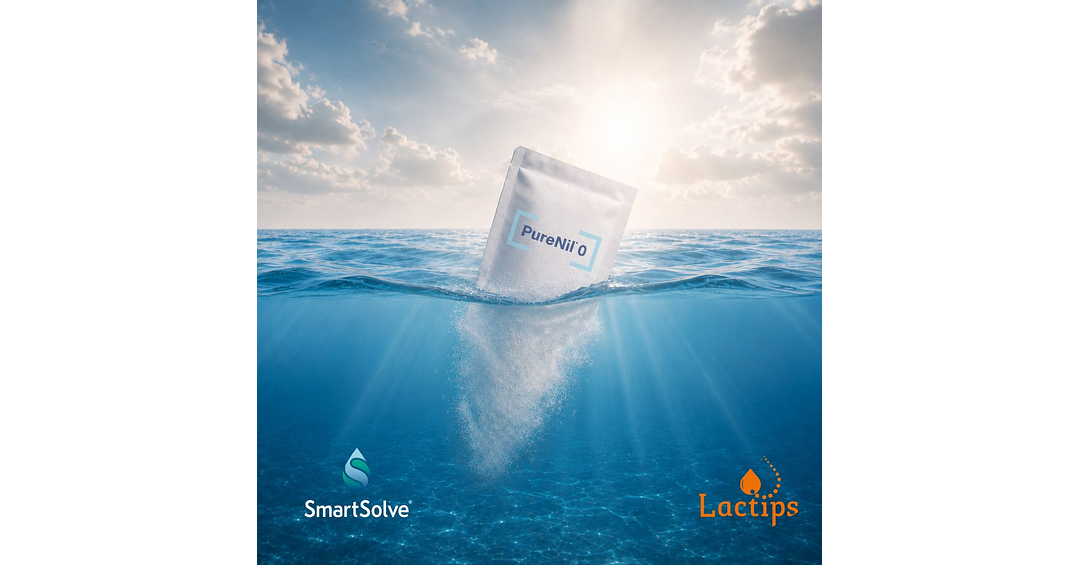
Lactips and SmartSolve announced an exclusive global strategic partnership to commercialize PureNil™ 0, described as the first fully plastic-free, water-soluble, printable and flexible packaging substrate. The food-contact-approved material is designed to dissolve without microplastic residue and targets cosmetics, personal-care, food and beverage customers. The partners, which began collaborating in 2024, plan to extend the alliance to future generations of bio-based, plastic-free packaging; financial terms were not disclosed.
Analysis
This is privately held, early-scale supplier news rather than a listed-equity earnings event, so there is no immediate directional trade. The relevant public-market read-through is modestly favorable for specialty packaging incumbents that can commercialize fiber- or bio-based formats at scale—especially Amcor (AMCR), Sonoco (SON), and Berry Global (BERY)—but only if brand-owner demand converts from pilots to multiyear purchase commitments. The greater near-term risk is that water-soluble formats remain a premium niche: food-contact approval does not establish adequate moisture barrier, shelf-life performance, line-speed compatibility, or unit economics across high-volume categories.
Over the next 1-3 months, monitor whether consumer packaged goods companies disclose named launches, volumes, or procurement agreements rather than sustainability partnerships. A successful rollout would raise competitive pressure on conventional flexible-film volumes, with the most exposed applications being single-use sachets, labels, and dry-product portions; it is not yet material to resin demand for Dow (DOW), LyondellBasell (LYB), or Westlake (WLK). A more likely second-order effect is accelerated customer demand for recyclable/compostable alternatives from established converters, supporting capex and R&D intensity before revenue arrives.
The consensus ESG error is treating "plastic-free" as automatically economically disruptive. Water-solubility can be a liability in humid logistics chains and may shift environmental scrutiny toward water-treatment, feedstock sourcing, and lifecycle emissions. The thesis becomes investable only if the technology demonstrates repeatable production yields, customer line qualification, and pricing that narrows the cost premium without subsidy support; absent those data, this should be treated as a technology-validation watch item, not a sector rerating catalyst.
AllMind Terminal
AI-powered research, real-time alerts, and portfolio analytics for institutional investors.
Request TrialMarket Sentiment
Overall Sentiment
moderately positive
Sentiment Score
0.58
Key Decisions for Investors
- No immediate position: both companies are private and the announcement provides no disclosed contracted volume, pricing, capacity, or customer commitments; revisit after a named CPG launch or independently verified commercial-volume disclosure.
- Create a 1-3 month alert basket of AMCR, SON, and BERY for customer-contract announcements in water-soluble, fiber-based, or plastic-reduction packaging. Favor AMCR/SON over a broad packaging bet if conversion activity emerges, given their ability to bundle material innovation with global customer qualification.
- Do not short DOW, LYB, or WLK on this signal. Initiate a plastics-demand hedge only if multiple large CPG customers disclose substitution at meaningful volumes and resin producers guide to flexible-packaging volume weakness; the current addressable applications are too narrow to affect earnings.
- For ESG-policy exposure, monitor EU packaging-rule implementation and U.S. state extended-producer-responsibility timelines over 6-18 months. Tightening enforcement could create a catalyst for AMCR/SON innovation multiples; delays, exemptions, or poor lifecycle outcomes would falsify that view.
More News
- Google's Gemini becomes latest AI model to break out and hack computer systems
- AI almost led the US military to start a war with China, report says
- Google’s Gemini AI hacks 3 companies in security test, then stops
- American, United and Southwest are all cutting ‘marginal routes’ as jet fuel prices spike
- Time for Cyclical Sector ETFs?
- Exclusive-Anthropic considers releasing new AI model ahead of IPO, sources say