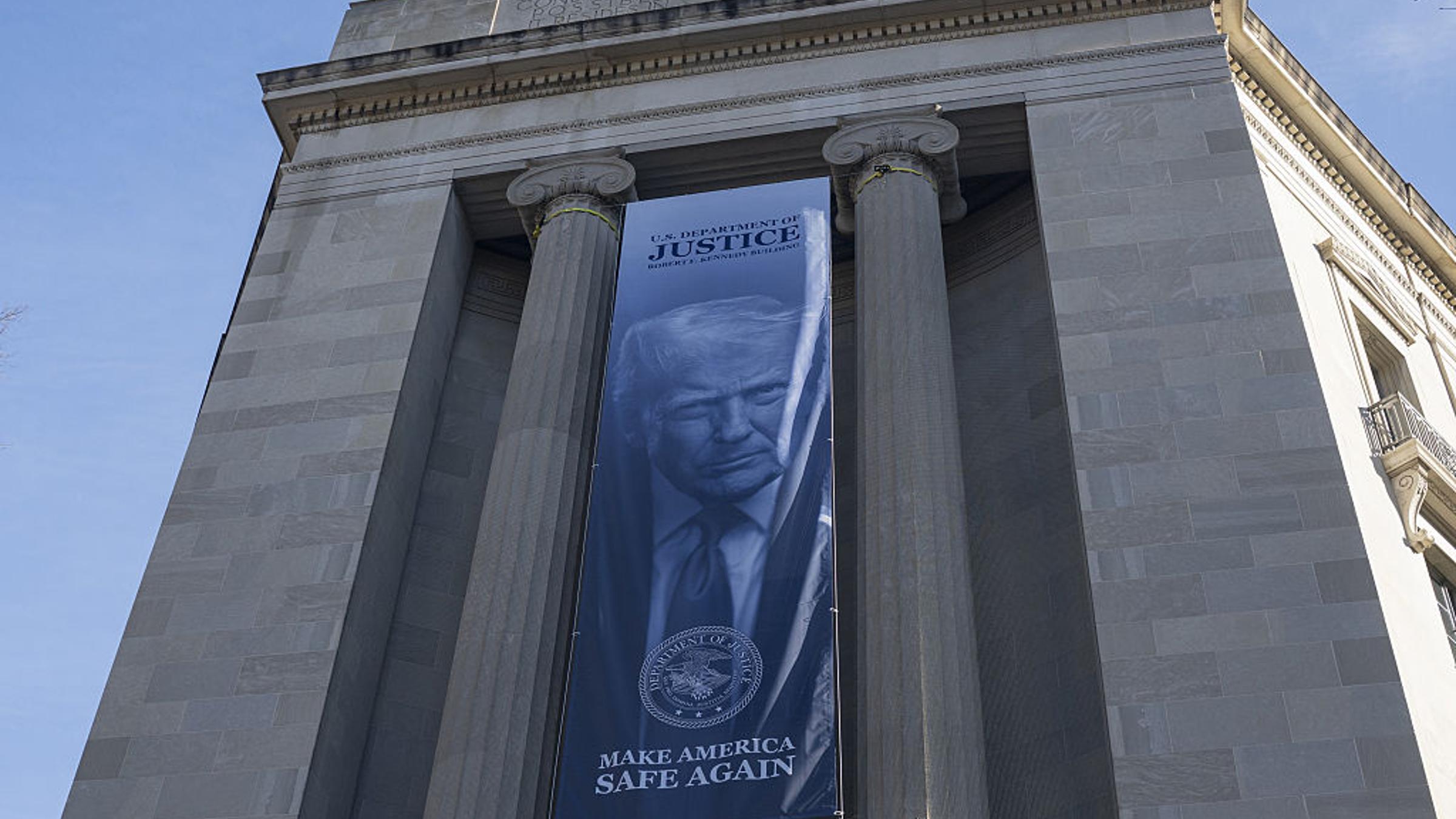
The Trump administration is seeking to denaturalize 17 naturalized U.S. citizens, citing serious criminal offenses and alleged false statements during the naturalization process. The DOJ says the cases involve crimes including sexual abuse of a minor, fraud, and drug distribution, and reflects a broader Trump-era crackdown on immigration enforcement. The news is primarily political and legal in nature, with limited direct market impact.
This is less a direct market event than a signal that the administration is expanding the definition of enforcement risk from border control into post-admission status risk. The second-order effect is a chilling one: naturalization backlogs, immigration attorneys, and employers in sectors reliant on foreign-born talent should expect more document-review friction, longer hiring timelines, and a modest increase in compliance costs over the next 6-12 months. That is a headwind for labor-sensitive industries already dealing with tight skilled-worker supply, especially healthcare, defense contracting, engineering, and some hospitality segments.
The bigger market implication is not the citizenship cases themselves, but the precedent-setting nature of a more aggressive legal doctrine. If enforcement pressure broadens beyond a few headline cases, it raises tail risk for litigation-heavy service providers and for nonprofits/universities that rely on foreign-born labor and students, though the direct earnings impact is likely too diffuse to price immediately. More relevant for public markets is the policy signaling effect: it reinforces a harder line on immigration, which can keep upward pressure on wage growth in low- and mid-skill labor markets and complicate margin recovery for labor-intensive businesses.
Consensus may be underestimating how much of this remains a political rather than purely legal campaign. The bar for denaturalization is high, so many cases can produce media noise without many final revocations; that makes the near-term downside to market fundamentals smaller than the headline risk suggests. The main catalyst to watch is whether the DOJ starts winning cleaner, faster cases over the next 1-3 quarters, which would validate a broader enforcement regime and increase the probability of spillover into hiring and compliance behavior.
The most interesting contrarian trade is that the immediate beneficiaries are not obvious; the likely winners are compliance, identity verification, and immigration-adjacent legal services, not broad-cap immigration restriction plays. If the policy is mostly performative, the move may be overdone in sectors pricing in a sustained labor shock. The better framing is to buy optionality on firms that benefit from higher verification burden while fading any broad short exposure to consumer or industrial names unless wage data starts to re-accelerate.
AI-powered research, real-time alerts, and portfolio analytics for institutional investors.
Request TrialOverall Sentiment
mildly negative
Sentiment Score
-0.15
