
MercadoLibre emite bonos en dólares con grado de inversión
Source: Bloomberg
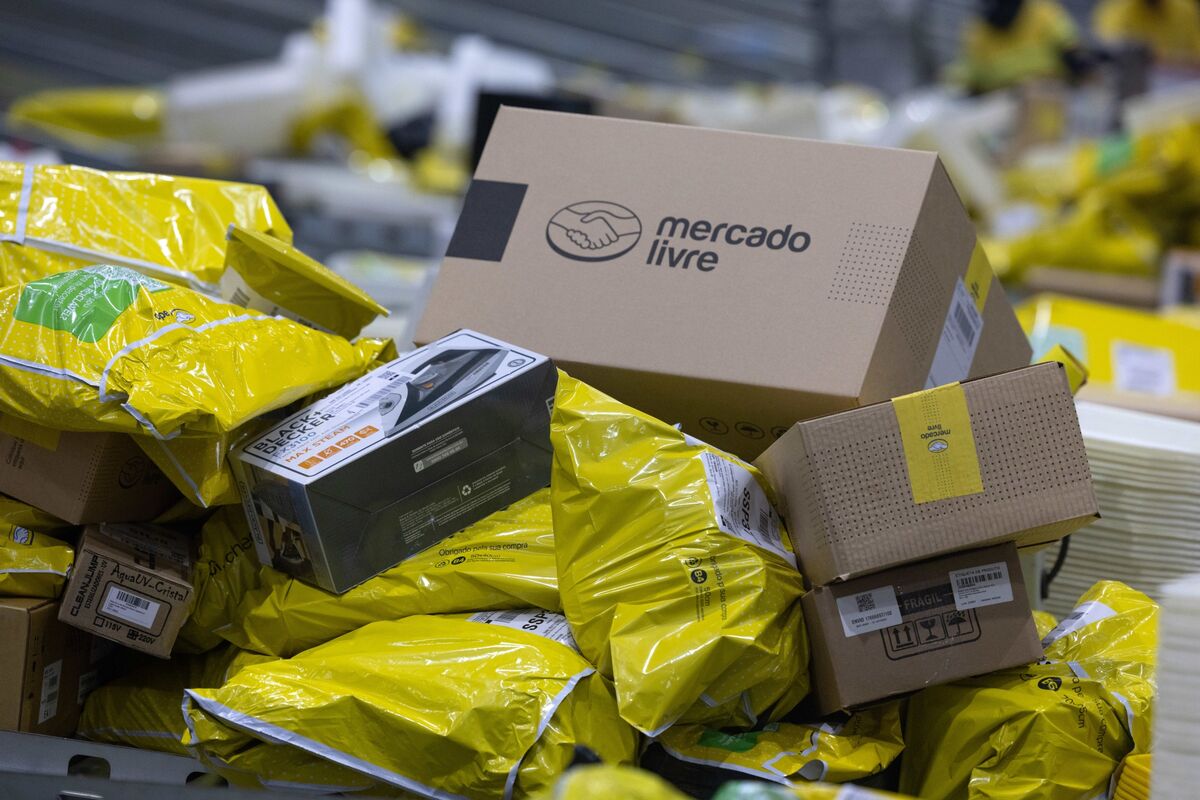
MercadoLibre plans to finance its Latin American expansion through a new U.S.-dollar bond issuance maturing in 2036. The transaction marks only the company’s third return to international debt markets and would support investment across the region. No issuance size, coupon, or pricing terms were provided.
Analysis
The key equity implication is not the incremental capital itself but whether MercadoLibre can deploy it into Mercado Pago credit, logistics capacity, and seller acquisition at returns above its dollar funding cost. A successful long-dated issuance would reduce refinancing uncertainty and preserve strategic flexibility versus Amazon (AMZN), Sea (SE), and regional banks; it could also allow MELI to sustain investment through local-rate volatility when smaller fintech and e-commerce competitors are forced to retrench. The benefit should accrue over 6-18 months through share gains and monetization, rather than create an immediate earnings step-up.
The underappreciated risk is a currency-duration mismatch: much of MELI's cash generation is linked to volatile Latin American currencies, while the new obligation is dollar-denominated and long duration. If Brazilian or Mexican growth slows, or FX depreciates sharply, leverage ratios can worsen even if local-currency operating metrics remain healthy. The offering terms—coupon, size, covenants, use of proceeds, and the spread versus comparable LatAm corporate debt—matter more than the announcement; a wide spread would signal that credit investors are demanding compensation for this mismatch.
Consensus may treat debt-market access as unambiguously bullish. It is only bullish if marginal investment returns remain high and credit losses in Mercado Pago stay controlled; otherwise, cheaper external capital can mask a lower-quality growth mix by extending unsecured consumer and merchant credit. Over the next 1-3 months, watch for management guidance on credit-book growth, NPLs, and logistics capex alongside the final bond pricing; those data points determine whether the financing is offensive growth capital or balance-sheet insurance.
AllMind Terminal
AI-powered research, real-time alerts, and portfolio analytics for institutional investors.
Request TrialMarket Sentiment
Overall Sentiment
mildly positive
Sentiment Score
0.30
Ticker Sentiment
Key Decisions for Investors
- Maintain or initiate MELI only after final pricing if the bond clears near or inside expected LatAm high-quality corporate spreads and management specifies growth-oriented uses of proceeds; target a 6-18 month holding period. Avoid adding solely on issuance headlines.
- Use a staged long MELI / short SE pair over 3-6 months if MercadoLibre demonstrates stable credit-loss metrics while funding access improves. The thesis is MELI's stronger financing and logistics moat in Latin America; exit if MELI's consumer-credit delinquency or provisioning accelerates materially relative to loan growth.
- Set a risk alert on Brazilian real and Mexican peso weakness: a broad 10%+ depreciation against the dollar, combined with widening EM credit spreads, would challenge the dollar-debt thesis and warrants reducing MELI exposure regardless of reported local-currency revenue growth.
- Do not buy MELI options around the announcement without bond terms and implied-volatility context. A tradable catalyst exists only if final pricing materially exceeds market expectations or management couples issuance with a capex/credit-growth outlook revision.
More News
- France’s latest debt warning describes a country where governance is breaking down — and even doing too little, too late is barely possible
- Here’s the ‘core economic flaw’ in the AI bull case as stock and bond trades unravel, according to a top economist
- How Pepsi fell behind in the cola wars—and then lost KFC
- 5 big analyst AI moves: ’Uniquely catalyst-rich’ months ahead for SpaceX
- Braskem creditors, shareholders near deal on $11bn debt restructuring
- Brookfield to open Qatar office as it expands Middle East operations