
Limitless Labs Brings More Real Customers and Creators into What SACHEU is Making Next While much of beauty races to let AI make the calls, the partnership with SACHEU is built to do the opposite - to help SACHEU hear more from its real customers and creators, and keep every product decision human.
Source: PR Newswire
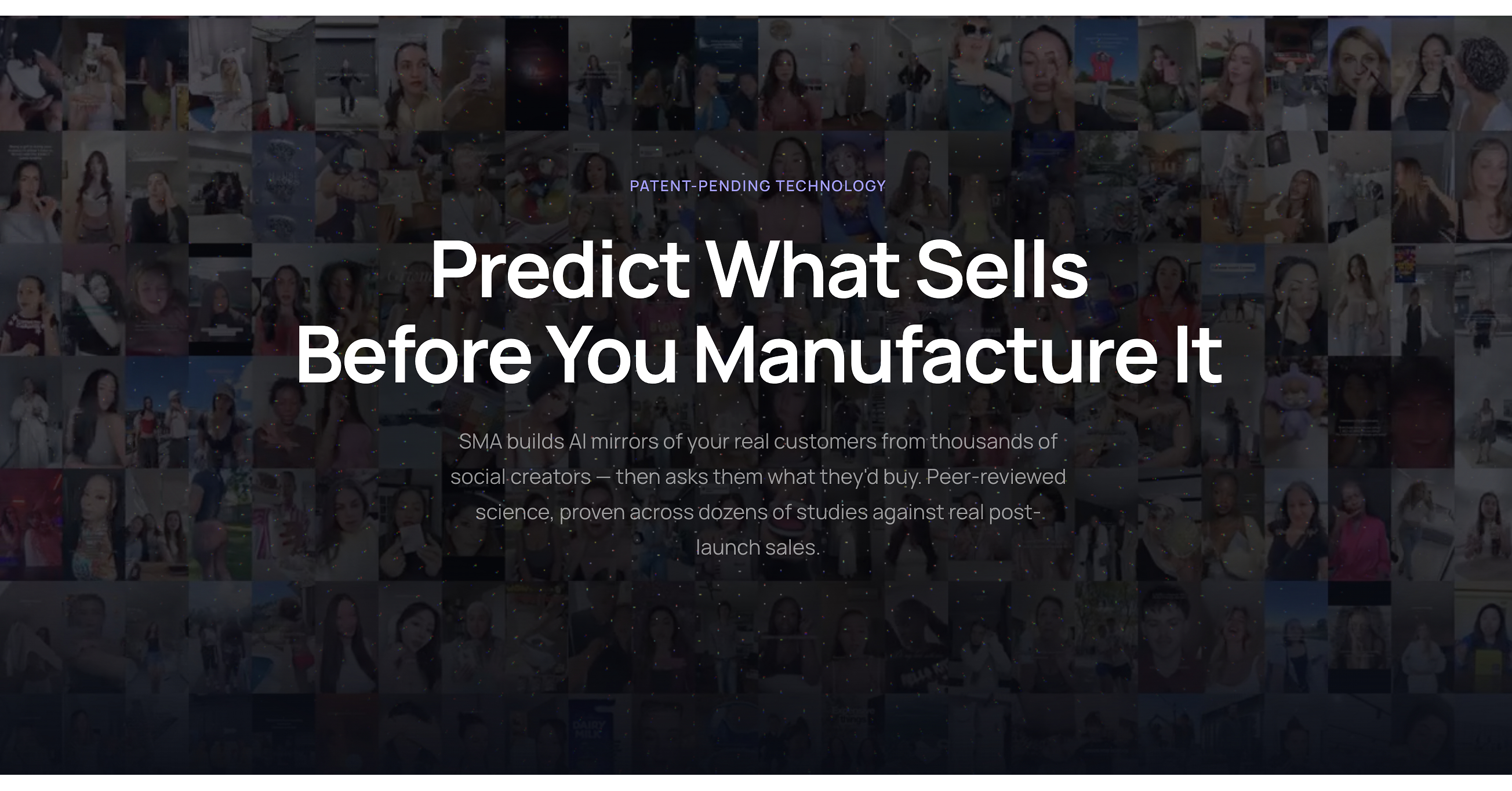
Limitless Labs and cosmetics brand SACHEU partnered to use Social Mirror Audiences, an AI system trained on creator content and customer feedback, to inform product, shade and launch decisions. The system analyzed more than 22,000 product reviews and 184,060 social videos, while refinement using SACHEU internal data improved preference accuracy by about 30 percentage points versus an unrefined audience. The companies say the platform can compress product research from weeks to days, though the announcement provides no financial terms or quantified revenue impact.
Analysis
This is not a near-term earnings event for ULTA or TGT: the relevant unit economics sit with a small vendor brand, and any improvement in sell-through, SKU rationalization, or markdown avoidance would be immaterial to either retailer’s consolidated results. The more relevant read-through is strategic: if AI-assisted social listening can reliably improve shade-level demand forecasting, it could modestly reduce the long tail of low-velocity beauty inventory—benefiting specialty retail assortment productivity before it benefits broadline retail. ULTA is better positioned than TGT to capture that effect given its category concentration and richer loyalty/transaction dataset.
The company-reported accuracy uplift and one-launch correlation are insufficient to establish predictive power; beauty demand is particularly vulnerable to creator amplification, paid-media support, retailer placement, and stock availability, all of which can make ex-post sales rankings look better than a model’s genuine out-of-sample forecast. The structural risk to Limitless Labs is that the workflow becomes a feature embedded in creator platforms, retail-media networks, Adobe, Salesforce, or enterprise consumer-insight vendors rather than a defensible standalone moat. Over 6-18 months, the investable implication is less "AI picks winning shades" than whether retailers can use first-party data to reduce markdowns and accelerate replenishment without eroding brand differentiation.
Contrarian view: consensus may overvalue the speed-to-insight narrative while underestimating the bottleneck in cosmetics—retailer line-review calendars, minimum order quantities, formulation lead times, and shelf resets. Faster research only creates economic value if it changes purchase orders or reduces failed launches; absent disclosed evidence of higher full-price sell-through, lower returns, or fewer discontinued SKUs versus control products, this remains a workflow claim rather than a retail margin catalyst.
AllMind Terminal
AI-powered research, real-time alerts, and portfolio analytics for institutional investors.
Request TrialMarket Sentiment
Overall Sentiment
mildly positive
Sentiment Score
0.38
Key Decisions for Investors
- No directional trade in ULTA or TGT on this announcement; modeled financial impact is below materiality and neither company has disclosed a commercial or data-sharing arrangement.
- Set a 1-3 month diligence alert for ULTA category commentary: a sustained improvement in cosmetics gross margin, inventory turns, or markdown rate alongside faster newness cadence would support a broader AI-enabled assortment thesis; without those metrics, avoid attributing performance to this theme.
- If seeking beauty-demand exposure, prefer a watchlist rather than a position: compare ULTA same-store sales and gross-margin progression against ELF and COTY after upcoming launch cycles. A widening ULTA beauty-margin advantage with stable inventory could justify a long ULTA / short TGT relative trade, but only after retailer-level evidence emerges.
- Falsification trigger for the broader thesis: if seasonal beauty inventory days rise or promotional intensity increases despite expanded AI/social-listening adoption, the claimed demand-forecasting benefit is not translating into purchase-order economics.
More News
- Investor Stephanie Link looks for strong brands making a comeback. This retailer fits the bill
- Why Costco has the luxury of sitting out the delivery arms race
- Burlington's Beauty & Accessories Categories Lead Sales Trends
- OpenAI’s agent hacked Australia’s Medicare website—the latest rogue AI incident that the company didn’t know about for months
- Chinese authorities reportedly in possession of F-35 components in Hong Kong
- Meta announces new lightweight virtual reality glasses to one-up Apple’s Vision Pro