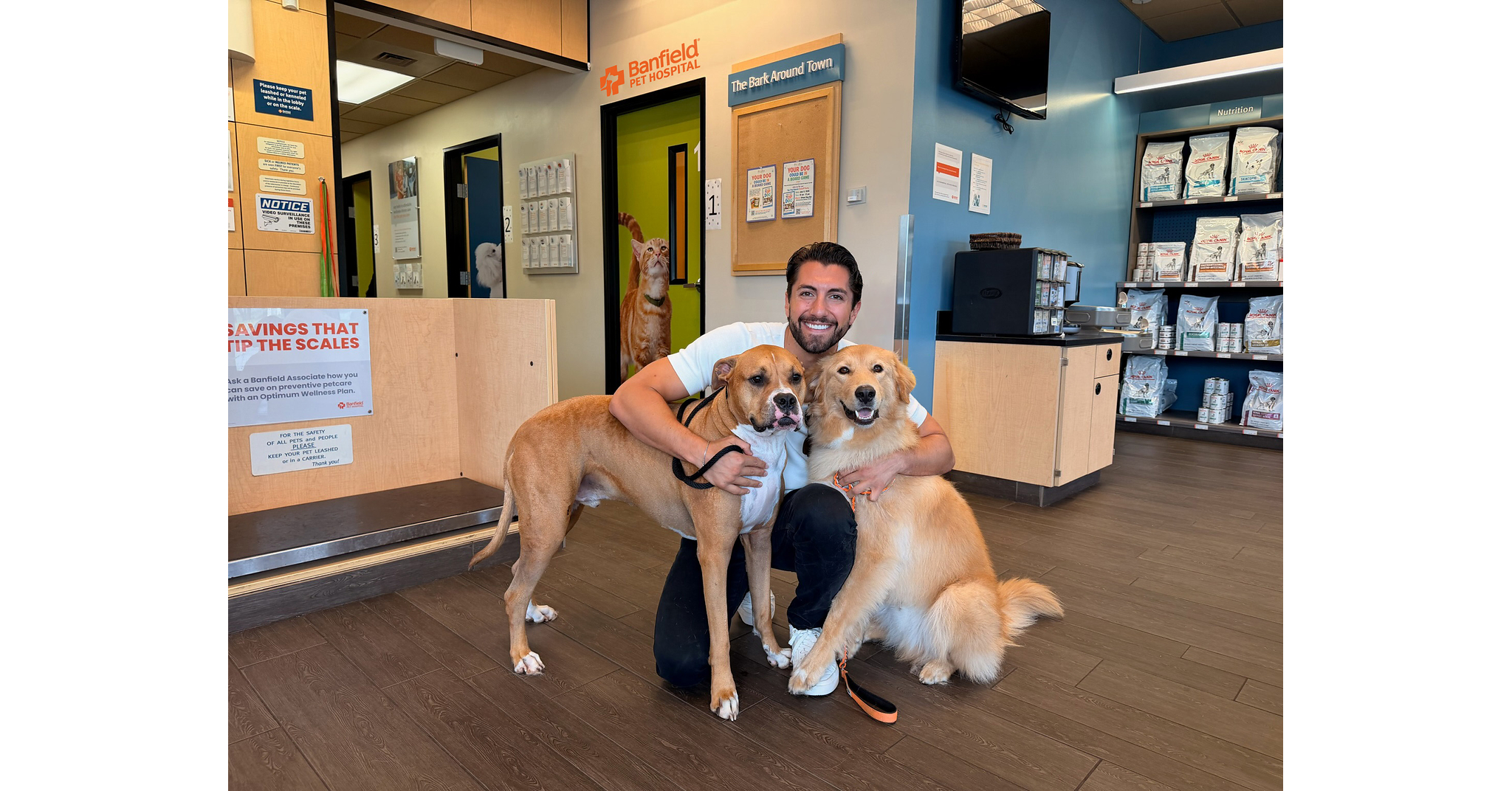
Banfield (Mars Veterinary Health) is launching customized add-ons to its Optimum Wellness Plans, letting pet owners personalize preventive care with services like advanced dermatology testing and anti-nausea treatments. The plans already include twice-yearly exams, routine vaccines/testing, unlimited office visits, 24/7 Pet Chat, and virtual visits, and are positioned to save at least 30% versus Banfield’s standard retail prices. The rollout emphasizes more tailored preventive care to match pet age, lifestyle, and health needs, with optional pre-enrollment via Banfield’s website.
The economically meaningful angle is not “new wellness plans,” but monetization of an installed base. If Banfield can raise attachment of add-ons without materially increasing churn, the move shifts the mix from low-variance preventive visits to higher-ARPU care bundles and incremental diagnostics. That should help revenue per customer more than patient count, which matters because preventive networks often max out on visit frequency before they max out on wallet share.
Second-order winners are likely upstream suppliers to in-clinic testing and treatment, not retailers. More customized plans imply more dermatologist workups, anti-nausea meds, and associated lab utilization; that is a modest positive for diagnostics and companion-animal pharma channels over 6-18 months if adoption sticks. The main loser is not a direct competitor but any standalone veterinary clinic or wellness-plan offering that competes on price and simplicity: once a large network trains consumers to expect personalized bundles, smaller operators may need to discount or add services at lower margin to match the value proposition.
The near-term risk is that customization increases complexity and slows conversion. Wellness products sell on predictability; adding menu options can lift average ticket but also introduce decision fatigue and reduce sign-up rates, especially in a cost-conscious household environment. Over the next 1-3 months this is mostly a marketing test, not a hard earnings catalyst; the thesis only matters if management later shows higher plan penetration, lower churn, or better per-pet spend. Falsifiers: no improvement in customer retention/attach rates, or evidence that add-ons simply cannibalize services that were already being purchased à la carte.
Consensus may be underestimating how little this changes competitive economics in the short run. Banfield already has scale and traffic; the launch is more a yield-management exercise than a category redefinition. If anything, the overhang is that pet owners may like the idea of personalization but still shop on monthly price, which would cap upside and make this a slow-burn story rather than an immediate catalyst.
AI-powered research, real-time alerts, and portfolio analytics for institutional investors.
Request TrialOverall Sentiment
mildly positive
Sentiment Score
0.18
