
Midea SMART MASTER en IFA 2026: De los agentes de IA a la inteligencia integrada
Source: PR Newswire
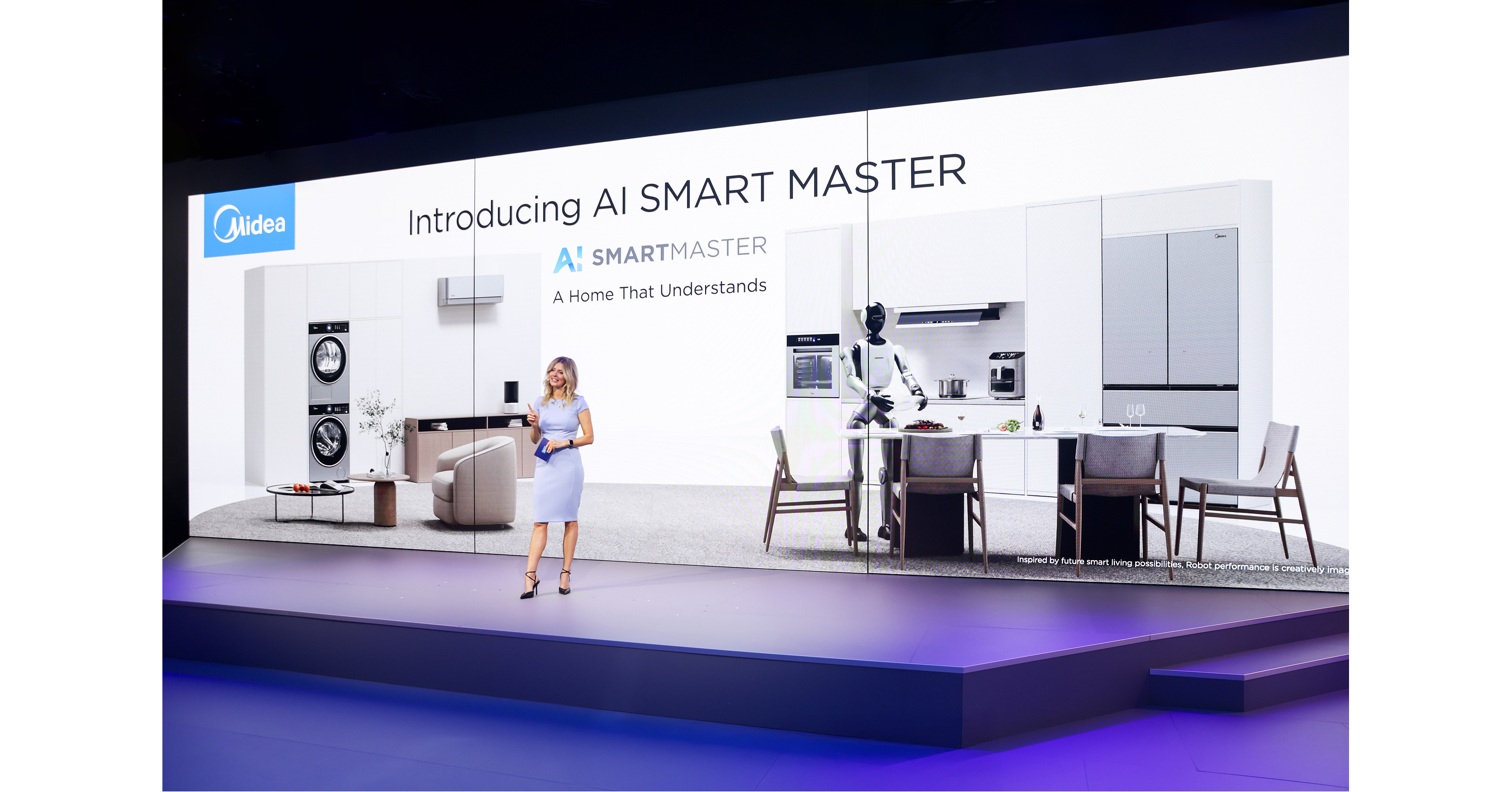
Midea unveiled its SMART MASTER AI-powered smart-home ecosystem at IFA 2026, centered on a voice AI agent supporting 140 languages, an 8-meter recognition range, and 0.4-second response times. The platform coordinates connected appliances for comfort, health, energy efficiency and service, while Midea also demonstrated a household robot designed for laundry, cooking, cleaning and home control. The launch reinforces Midea's push into integrated AI and robotics, though it provides no sales, pricing, commercialization timeline or financial guidance.
Analysis
This is strategically more relevant to appliance replacement economics than to near-term unit demand. If Midea can convert connected features into lower service-call costs, better warranty retention and premium ASPs, the margin opportunity sits in recurring aftermarket/service attachment rather than hardware alone; that would pressure Haier Smart Home (6690 HK) and LG Electronics (066570 KS), whose installed bases are valuable only if their software layers retain customer engagement. The announced capabilities remain vendor claims without disclosed attach rates, cloud costs, or willingness-to-pay data, so no earnings estimate should change yet.
The near-term competitive risk is that AI becomes a feature-cost arms race: voice interfaces, sensors, edge compute and support infrastructure can raise bill-of-materials and R&D expense before consumers accept a higher price point. Midea's scale and vertical component exposure may let it absorb that investment better than Electrolux (ELUX B SS), whose weaker scale and European cost base leave less room for unrecovered feature inflation. Over 6-18 months, a credible energy-management layer could create a differentiated channel with utilities and building-management systems, but interoperability standards and data-privacy constraints are more likely to determine adoption than demo performance.
Consensus may overvalue the humanoid/household-robot narrative while undervaluing service automation. The economically actionable proof point is not consumer excitement but a measurable reduction in warranty expense, technician dispatches, and customer churn; absent those metrics, this should be treated as brand positioning rather than a robotics revenue catalyst. A broad consumer-appliance demand slowdown or price deflation would also make premium feature monetization harder, regardless of technical capability.
AllMind Terminal
AI-powered research, real-time alerts, and portfolio analytics for institutional investors.
Request TrialMarket Sentiment
Overall Sentiment
moderately positive
Sentiment Score
0.42
Key Decisions for Investors
- No immediate directional trade: keep Midea Group (000333 SZ) on watch through its next two results cycles; upgrade only if management discloses connected-product mix, premium ASP uplift, service-cost savings, or recurring software/service revenue sufficient to offset incremental R&D and cloud expense.
- Monitor a 6-12 month relative-value setup: long 000333 SZ / short ELUX B SS becomes actionable if Midea demonstrates stable appliance gross margin while Electrolux signals renewed promotional pressure or margin dilution from connected-product investment. Thesis is falsified if Midea's selling/R&D expense rises faster than premium mix or Electrolux closes its margin gap.
- Use Haier Smart Home (6690 HK) as the cleaner competitive read-through: a material acceleration in Haier's smart-home attach rate, overseas premium appliance share, or service monetization would weaken the Midea differentiation thesis and argues against the relative long.
- Set an event alert for EU connected-device privacy, interoperability, or energy-management regulation. A mandate favoring open ecosystems could commoditize proprietary interfaces and shift value toward platform owners and utilities rather than appliance OEMs.
More News
- Are global oil reserves sufficient to withstand renewed US-Iran war?
- OpenAI Trims Target Value & Volvo Cars Cuts 2,500 Jobs
- PG&E’s CEO says AI is ‘the best thing that could’ve ever happened to the grid’
- The mobile ambitions of SpaceX see telecom stocks get hit again. What the latest developments mean.
- Wake up! The long bond’s up two points!
- US tech stocks tumble as investors fret over AI spending
From AllMind Research
- Anthropic IPO Preview: Valuation, Timing, and What to Watch
- Shein After the IPO: Venue, Valuation, and What Must Be Proved
- What AI Research Tools Should a Small Hedge Fund Buy First?
- Weekly Update: Advanced Search Filters, Redesigned Ticker Dashboard, and Improved Search Experience
- How to Build an Automated Research Process for a Fund