
Cell Stem Cell: Die tBE-vermittelte Base-Editing-Therapie erzielt bei unterschiedlichen genetischen Hintergründen eine dauerhafte klinische Remission bei Sichelzellkrankheit und β-Thalassämie
Source: PR Newswire
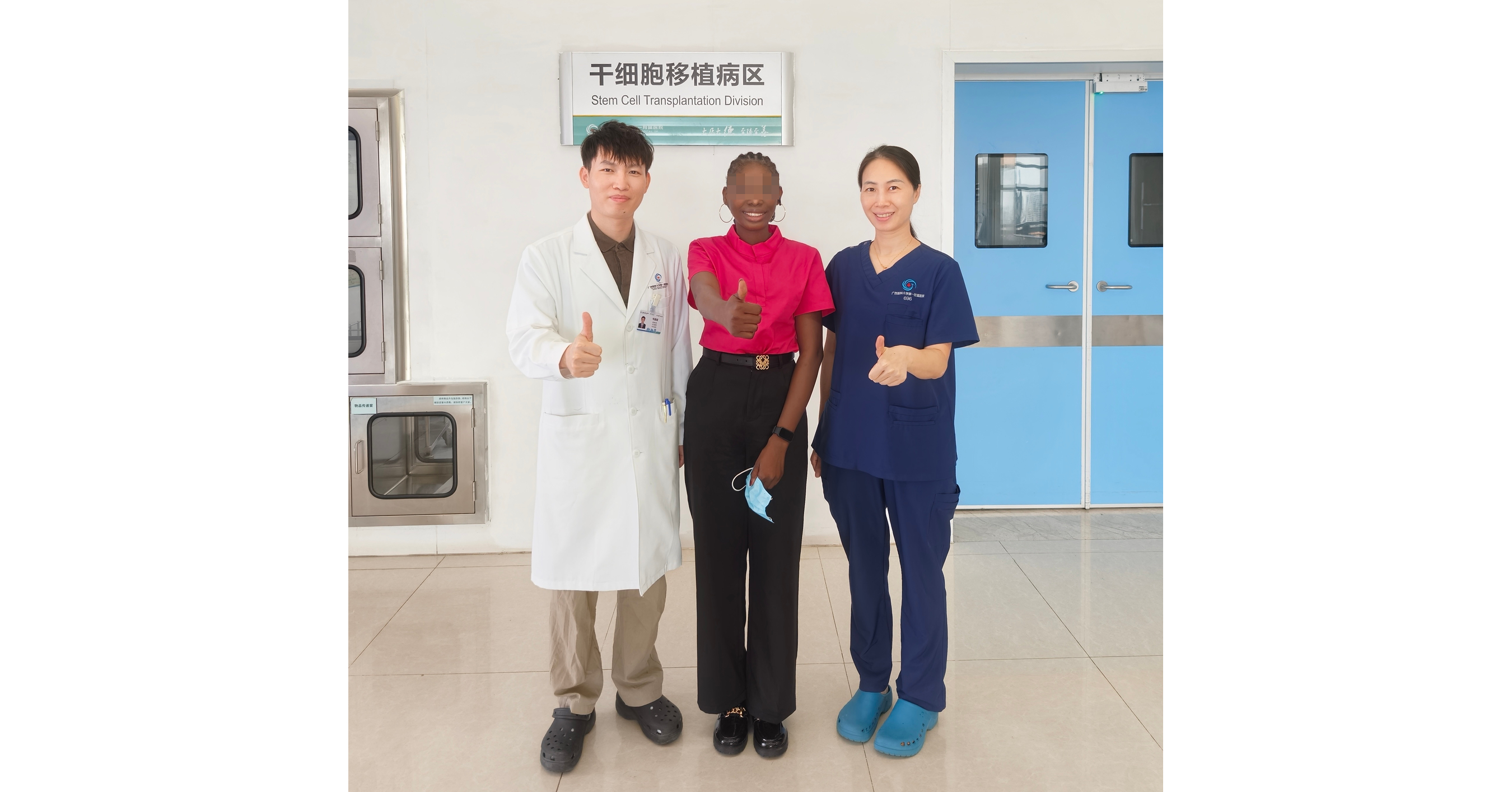
CorrectSequence Therapeutics reported that its tBE base-editing therapies CS-101/CS-206 delivered sustained clinical responses across four additional SCD and transfusion-dependent beta-thalassemia patients from Nigeria, Laos, Malaysia and Pakistan. The SCD patient remained free of vaso-occlusive crises for 15.5 months, while all three TDT patients achieved durable transfusion independence at a median 17.5-month follow-up, with no detected off-target edits or product-related adverse events. Correctseq said more than 30 patients treated globally have achieved either transfusion independence or freedom from VOCs, and CS-101 has completed Phase I and entered registrational studies.
Analysis
There is no directly tradable CorrectSequence security, so the near-term read-through is primarily platform validation rather than an earnings event. The most relevant public comparables are BEAM, CRSP and VRTX: credible evidence that non-DSB editing can produce durable hematologic benefit raises the strategic value of base-editing IP, but does not establish commercial equivalence because manufacturing yield, conditioning burden, regulatory-grade off-target assays and long-term clonal safety remain unproven in a controlled dataset.
For CRSP/VRTX, the risk is structural rather than immediate: a reproducibly faster-engrafting competing approach could eventually improve treatment-center throughput, reduce supportive-care costs and weaken the premium attached to first-mover curative therapy. That threat is likely a 12-36 month issue, contingent on Western trials and regulatory access; it is not sufficient to impair current revenue expectations over the next quarter. The more immediate beneficiary is BEAM sentiment, since the report de-risks the broader proposition that precise base editing can avoid liabilities associated with double-strand-break approaches.
The consensus error would be to extrapolate efficacy from a small, heterogeneous, non-randomized cohort into a superior commercial product. Conditioning-related toxicity and specialized transplant-center capacity remain the binding adoption constraints, particularly in lower-income sickle-cell markets; superior cellular editing alone may not expand the addressable treated population. A reversal signal for the platform-positive view would be any delayed cytopenia, clonal expansion, secondary malignancy, or durability deterioration as follow-up moves beyond three to five years.
AllMind Terminal
AI-powered research, real-time alerts, and portfolio analytics for institutional investors.
Request TrialMarket Sentiment
Overall Sentiment
strongly positive
Sentiment Score
0.78
Key Decisions for Investors
- No direct position in response to this release; place BEAM on an alert list for a favorable 1-3 month sentiment read-through, but require independently disclosed clinical data, manufacturing metrics and regulatory milestones before adding exposure.
- Maintain any CRSP/VRTX exposure as a commercial-execution thesis, not a technology-monopoly thesis. Hedge a 12-24 month competitive-risk scenario with a modest BEAM long versus CRSP short only after BEAM-specific clinical or partnership catalysts; this article alone does not justify entry.
- For biotech beta exposure, prefer a small XBI basket over single-name options until Western base-editing comparables report durability data. Binary safety disclosures can overwhelm the favorable platform narrative.
- Monitor transplant-conditioning innovation and payer coverage decisions over the next 6-18 months; evidence of reduced-intensity conditioning or broader center reimbursement would be more consequential for total treated-patient growth than incremental editing-efficiency claims.
More News
- What next for France as riots rattle markets? Three questions facing investors ahead of more protests
- Looters hit 3,000 French businesses. Within hours, the haul was trending on Vinted under the riot’s date
- Vertex reports positive IgAN trial data, FDA decision due Nov. 30
- The real test for Moderna’s cancer vaccine isn’t about beating Keytruda. It’s keeping cancer from coming back in the long term.
- Elon Musk’s dangerous grip on outer space
- J&J prostate cancer drug shows promising tumor responses in early trial