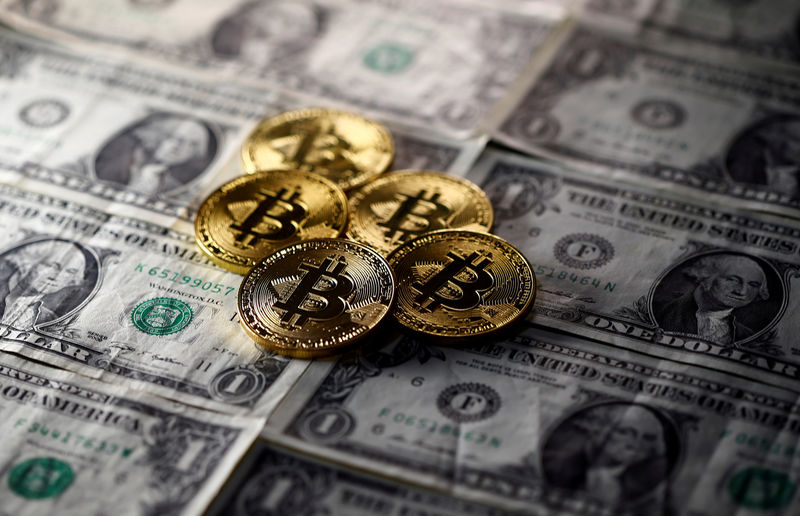
Bitcoin is trading at $63,228.82, with near-term bullish momentum after a reversal from $59,159, but it remains capped below $63,970-$65,103 resistance and the 200-hour moving average at $66,431. The setup is mixed: a SuperTrend flip and bullish MACD cross support upside, while a spinning-top candle and a $62,850-$63,950 no-trade zone signal hesitation and bull-trap risk. The article also opens with oil prices jumping on Iran's retaliatory strike on Israel, highlighting the geopolitical backdrop.
The immediate winners are not just the obvious hedge assets; it’s the parts of the market that monetize volatility and intraday dislocation. A geopolitical energy shock tends to lift realized vol across FX, rates, and crypto, but BTC is especially vulnerable because it trades like a high-beta liquidity asset until risk is restored. That makes the current move less about “digital gold” and more about whether systematic flows and leverage can absorb a higher macro-vol regime without forcing de-risking.
The key second-order effect is cross-asset correlation convergence: when oil spikes on Middle East escalation, BTC often stops behaving idiosyncratically and starts trading with Nasdaq futures and funding conditions. If oil keeps rising for several sessions, expect margin pressure to bleed into leveraged crypto longs and option dealers to chase gamma, which can amplify both a breakout and a failed breakout. The technical setup matters because a rejection here likely triggers a fast unwind of the V-shaped reversal rather than a slow fade.
The contrarian read is that the market may be overpricing immediate continuation while underpricing a headline-driven reversal. Geopolitical risk premiums usually mean-revert faster than participants expect unless there is clear supply disruption, and that matters because the first impulse in BTC is often driven by position covering, not fundamental conviction. If the move cannot clear resistance on real spot demand and expanding volume, the better risk/reward may be to fade strength or buy downside convexity rather than chase a breakout.
For timing, the next 24–72 hours are the highest-friction window: that is where dealers, momentum funds, and short-term discretionary traders decide whether this is a one-day shock or a trend change. Beyond that, the market will reprice according to whether the event remains contained or widens into broader energy infrastructure risk. In the meantime, the cleanest signal is whether BTC can hold above the upper resistance band on closing basis; failure there likely forces a retest of the prior low regime fast.
AI-powered research, real-time alerts, and portfolio analytics for institutional investors.
Request TrialOverall Sentiment
mixed
Sentiment Score
-0.12
