
Iran Uses Xi-Putin Bloc to Counter Bessent’s Economic Warfare
Source: Bloomberg
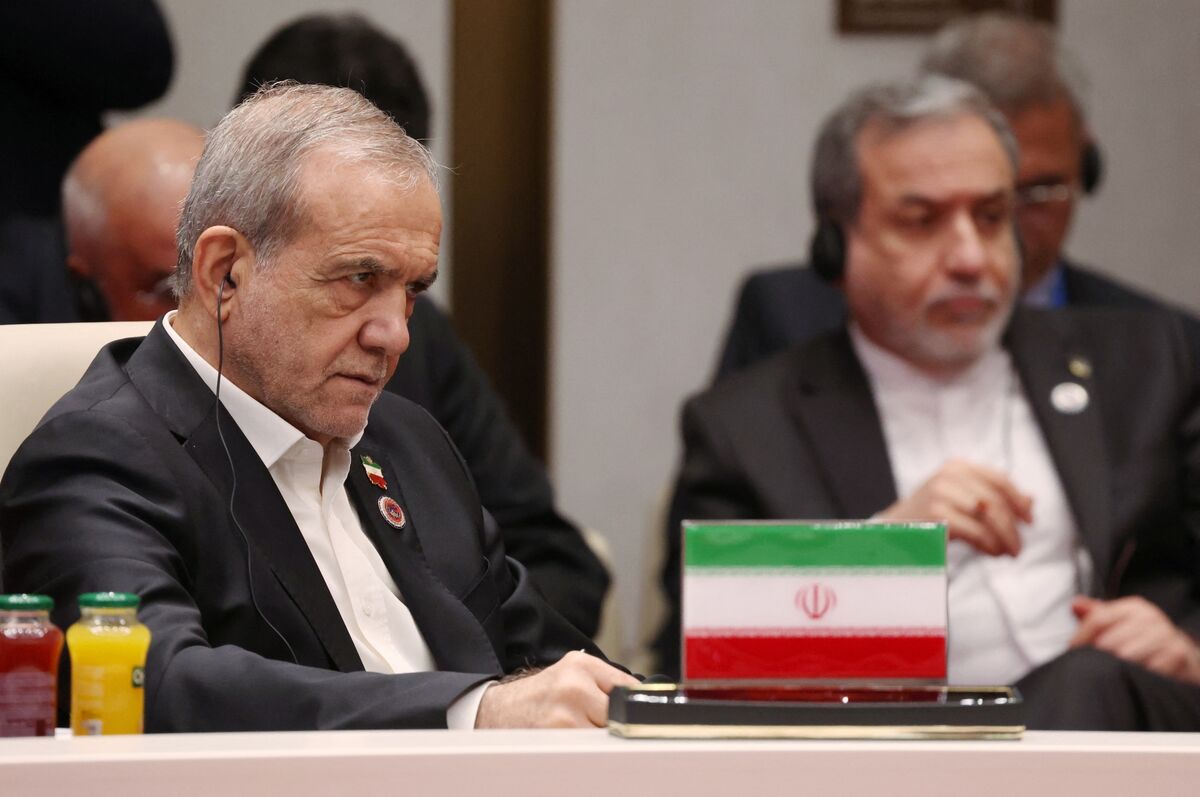
One week into the US campaign led by Scott Bessent to isolate Iran economically, Iranian President Masoud Pezeshkian met fellow leaders at the Shanghai Cooperation Organisation in Kyrgyzstan to promote expanded trade ties. The report frames Iran’s outreach as proof that US warnings to cut business links are not deterring partners globally, potentially sustaining sanctions-related frictions and risk premia around Iran exposure.
Analysis
This is less a near-term Iran story than a read-through on the declining marginal power of US sanctions. When targeted countries can still route commerce through China/Russia-aligned channels, the economic damage shifts from volume destruction to higher transaction costs, heavier compliance burden, and more opaque settlement rails. That is mildly negative for US/European banks and trade-finance franchises, but the direct earnings impact is usually small; the real effect is that sanctions become a signal about geopolitics rather than a reliable way to choke off flows.
The immediate market implication is actually a lower geopolitical risk premium in crude, not a higher one, if traders conclude Iranian exports are still finding a path to market. The bigger second-order winner is the ecosystem that benefits from fragmentation: gold, non-USD settlement, grey-market shipping, and commodity intermediaries that live off spread and opacity rather than headline growth. The loser is the credibility of escalation-based policy, which matters because it reduces the odds that future sanctions shocks produce the kind of abrupt supply interruption the market tends to price first.
The key reversal catalyst is not rhetoric; it is enforceable secondary sanctions that hit Chinese counterparties or a visible drop in Iranian export volumes. That would show up first in tanker tracking, customs data, and freight rates over days to weeks, and only later in macro data. Absent that, this is more of a 3-12 month structural theme than a tradable day-one event, and the move looks only modestly underpriced rather than dislocated.
AllMind Terminal
AI-powered research, real-time alerts, and portfolio analytics for institutional investors.
Request TrialMarket Sentiment
Overall Sentiment
mildly negative
Sentiment Score
-0.15
Key Decisions for Investors
- Buy GLD or IAU on pullbacks as a 3-6 month geopolitical-fragmentation hedge; prefer scaling in rather than chasing, with the thesis invalidated if US secondary-sanctions enforcement materially tightens and the dollar rallies on real de-escalation.
- If crude spikes on fresh sanctions headlines, fade the move with a short-dated USO put spread or small short USO position for a 2-6 week horizon; cover if WTI/Brent holds above recent highs on confirmed supply loss rather than rhetoric.
- No direct Iran-specific equity long is warranted here; instead, place an alert on Chinese customs/shipping data and Treasury sanctions actions. If Iranian export volumes or tanker arrivals fall materially, reverse the crude-fade trade and reassess the hard-asset hedge.
More News
- ‘I told you so’: China’s chip sector is making breakthroughs—and U.S. export controls are the reasons why
- UK's Healey Plans to Raise Bank Taxes
- One Singapore ship was sunk, but here's why others are still transiting the Strait of Hormuz
- Order to limit Starshield for Ukraine came from inside White House: Reuters reports
- EU Seeks New Trade Powers to Cut Trade Deficit
- Ukraine to resume strikes on Russian refineries, shattering hopes of an 'energy ceasefire'
From AllMind Research
- Anthropic IPO Preview: Valuation, Timing, and What to Watch
- Shein After the IPO: Venue, Valuation, and What Must Be Proved
- What AI Research Tools Should a Small Hedge Fund Buy First?
- Research Workflows, Report Format Selection, and Interactive Synthesis
- Can ChatGPT Analyze a 10-K? A Verification Workflow